
Global Standards Set for Autonomous Vehicles
The UN has approved uniform regulations for autonomous vehicles to reduce regulatory barriers for robotaxis, addressing discrepancies in existing laws across regions.
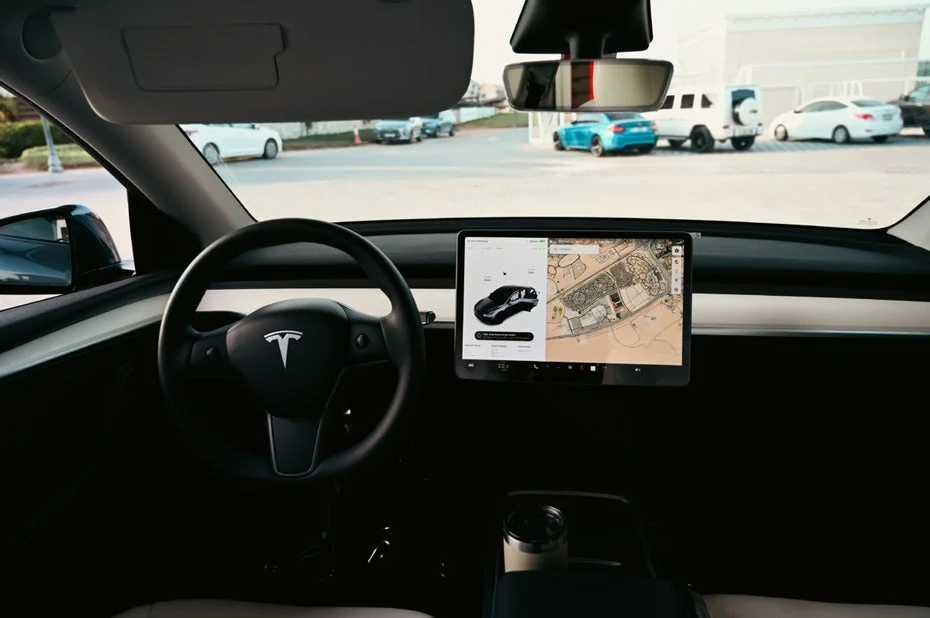
The United Nations Economic Commission for Europe (UNECE) has established uniform regulations for autonomous vehicles, aiming to eliminate regulatory barriers for robotaxis. Previously, the rules governing autonomous driving varied significantly across different regions and countries, creating challenges for automotive manufacturers and software developers. Now, a cohesive global framework for Automated Driving Systems is set to streamline these regulatory hurdles.
The UNECE's initiative has garnered support from major automotive markets, including the European Union, the United States, China, and the United Kingdom. The new regulations are expected to come into effect in the latter half of July 2026.
The regulations specifically target systems capable of fully managing driving tasks, including monitoring the environment, assessing traffic situations, and making driving decisions. This encompasses automated driving systems classified as Level 3, particularly focusing on robotaxis and autonomous shuttles.
Strict Safety and Testing Protocols
Manufacturers will be required to demonstrate the safety of their systems throughout the vehicle's lifecycle under the new rules. The stringent testing protocols will involve not only physical road tests but also virtual toolchains and simulations. To ensure thorough analysis of any incidents, all safety-relevant data will be recorded in a dedicated data storage system.
The UNECE aims for the approved automated driving systems to meet or exceed the capabilities of attentive and skilled human drivers. This includes ensuring that control over acceleration, braking, steering, and signaling is executed safely and effectively.
Adaptations for Innovative Robotaxis
Notably, the UNECE has also made amendments to its existing legal framework, updating 90 current regulations to ensure that standards remain applicable to vehicles without traditional controls like steering wheels and pedals. Currently, Tesla's Cybercab is recognized as the only robotaxi without conventional controls that is officially operating on public roads, albeit in a limited testing capacity.
The Automobile Club of Germany (AvD) has expressed support for the new UNECE regulations, emphasizing that they enhance consumer trust and provide greater transparency regarding the safety requirements autonomous vehicles must meet. However, the AvD has also stressed that safety should always take precedence over the speed of technology adoption. For Level 3 vehicles, it is crucial to clearly communicate when the driver is responsible and when the system takes control.