The Hidden Dangers of a Dirty Ice Cube Tray: What I Discovered and How to Clean It
Discover the hidden dangers of not cleaning your ice cube tray and learn simple methods to keep it fresh and odor-free.
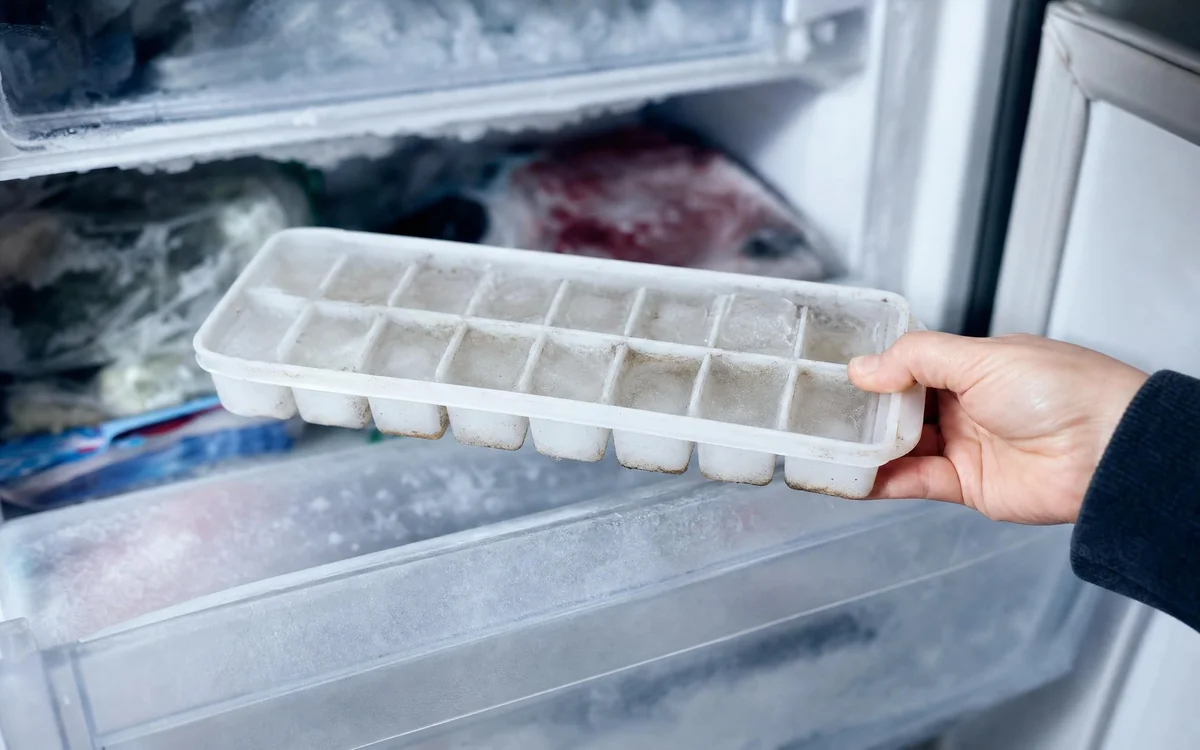
For months, my ice cube tray languished at the back of the freezer, untouched by a thorough cleaning. That all changed one evening when a simple scratch revealed a shocking truth.
My ice cube tray was living its best life, getting filled and emptied repeatedly without ever being washed. However, one night, while twisting it a bit too hard, I scratched a corner "just to see." What I found beneath my fingernail was a grayish, slightly sticky film, accompanied by a distinct refrigerator odor. I paused, glanced at the cubes in my glass, and promptly discarded everything down the sink.
Until that moment, I had assumed that the cold kept everything clean, believing that frozen water couldn’t possibly harbor dirt. What I discovered beneath the surface told a different story: a concoction of biofilm, embedded odors, and deposits that silently accumulate over time. If your ice cubes have an unusual taste, chances are you might be facing the same issue. It’s essential to recognize these signs before your next gathering.
Signs Your Ice Cubes Might Not Be Clean
Reflecting on it now, the warning signs had been present for weeks: a faint fridge odor upon opening the tray, a plastic aftertaste in the water, and ice cubes that stuck together as if they had absorbed moisture. Visually, nothing seemed amiss, but running my finger along the bottom revealed a surface that wasn’t quite smooth anymore. It felt slightly greasy, almost tacky—something I had never taken the time to investigate.
Other indicators to watch for include whitish stains at the bottom of the compartments, resulting from hard water mixed with residues, or a tray that feels coated when attempting to remove the ice. If the cubes smell like tomato sauce, fish, or cheese stored nearby, or if the empty tray retains a stubborn odor, it’s time to consider all the ice as questionable. At this point, the rule is straightforward: toss everything out and embark on a deep clean.
What Lies Beneath an Unwashed Ice Cube Tray
Beneath that film I scraped off lies the notorious biofilm: a thin layer of micro-residues that forms when water stagnates on a surface that never gets cleaned. Repeated fillings, droplets left behind, and tiny food particles from hands—all of it clings to the tray. While the freezer slows down the process, it does not sterilize anything. This film becomes an odor sponge, imparting that stale taste to your ice cubes.
The environment doesn’t help either: a freezer is a closed space where aromas can easily transfer from one item to another. An uncovered tray, with its open compartments, readily absorbs the scent of a saucy dish, a poorly sealed bag, or cheese. When ice cubes sit for weeks, they can slightly dehydrate on the surface, taking on that characteristic taste of cold, dry air typical of freezers. In corners, grooves, or under edges—especially in porous silicone models stored while still damp—micro-traces of mold can also begin to develop without immediate visibility.
A Simple Cleaning Method to Restore Your Ice Cube Tray
The day I realized all this, I began by emptying the tray without hesitation and disassembling any removable parts: the lid, seals, and small detachable components. I let the tray sit for a few minutes at room temperature to avoid thermal shock, then prepared a basin with 1 liter of hot water and 1 tablespoon of dish soap. Using a soft sponge or small brush, I scrubbed each compartment, corners, the exterior, and edges, before rinsing thoroughly with clear water to remove all soap residue.
Next, I tackled the odors: either by pouring 250 ml of white vinegar into hot water for a soak, or by mixing equal parts vinegar and water and letting it sit for about 30 minutes. If the tray had a strong freezer smell, a light paste of baking soda and water on stubborn areas helps lift the film, provided I rinse it well afterward. I let it drain and dry completely in the open air, tray ajar, before returning it to the cold. A final test involves leaving it empty in the freezer for a few hours and checking for any odors: if it smells neutral, I fill it up. For frequent use, I repeat this ritual every one to two weeks; otherwise, once a month will suffice. I store finished ice cubes in an airtight container and keep the tray away from the most odorous foods.