
15 Reasons to Think Twice Before Adopting a Shih Tzu
Before adopting a Shih Tzu, consider this checklist of 15 reasons not to adopt, including budget, care time, and alternatives.
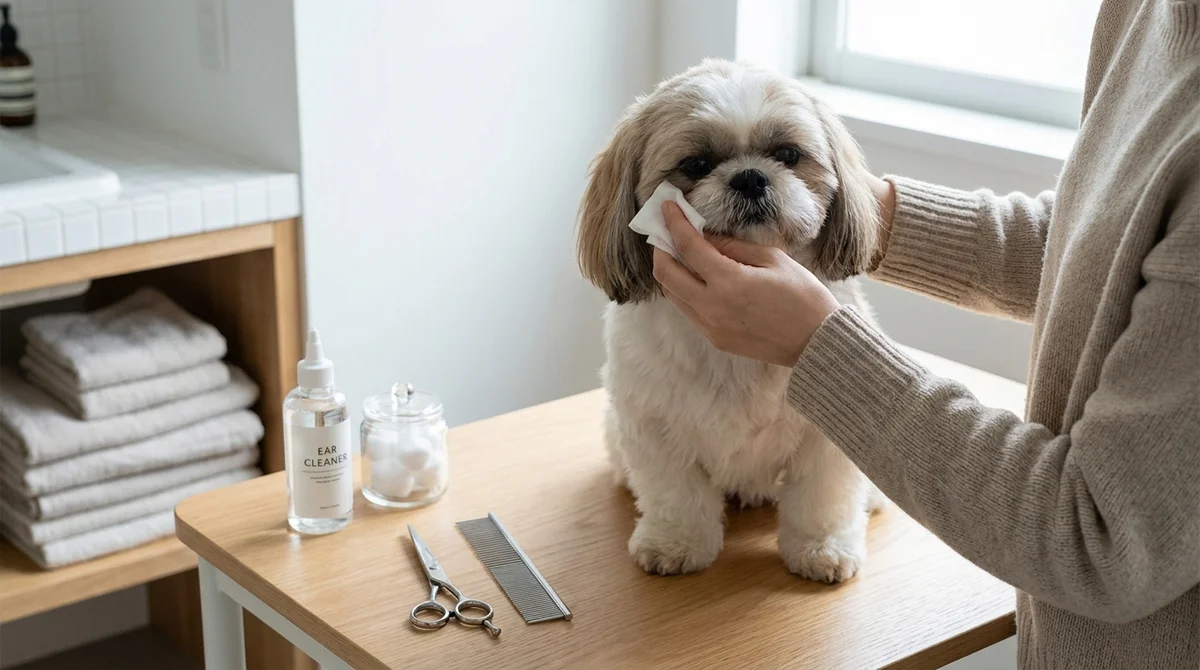
Before deciding to adopt a Shih Tzu, it's vital to consider several important factors. This checklist titled 15 Reasons Not to Adopt a Shih Tzu serves as a guide, helping potential pet owners make an informed choice by presenting concrete figures regarding monthly and annual costs, care time, and responsible options if this breed isn't suitable for you.
The Essentials in 30 Seconds
Go/No-Go Checklist (7 Key Questions)
- Can you dedicate 15–20 minutes daily to grooming, including care for the face and eyes?
- Is your monthly budget able to comfortably accommodate €70 to €120 (excluding unexpected expenses)?
- Does your home maintain a cool temperature in summer (with ventilation, keeping rooms at a maximum of 24°C) and a comfortable temperature in winter?
- Are you available for 3–4 short walks every day, without exception?
- Are you willing to schedule professional grooming every 6–8 weeks?
- Do your neighbors tolerate some alert barking, and are you prepared to work on this behavior?
- Do you travel frequently (by plane or train) or work long hours away from home without a care solution?
If you answer "no" to three or more questions, consider pausing your adoption plans. Research further and test care solutions before making a decision. For more guidance, refer to our list of essential questions before adopting a Shih Tzu.
Budget and Time Considerations
Estimated Costs: Expect to spend about €70–120 per month (covering food, grooming, preventive care, and minor health expenses) plus savings for unexpected costs (€20–40 per month) or health insurance (€25–45 per month). Time Commitment: Allocate 10–15 minutes daily for brushing and facial care, along with 45–60 minutes for daily walks, and schedule professional grooming sessions every 6–8 weeks. For detailed figures, see our annual maintenance, health, and budget guide for Shih Tzus.
15 Reasons Not to Adopt a Shih Tzu (and What to Do If You Check This Box)
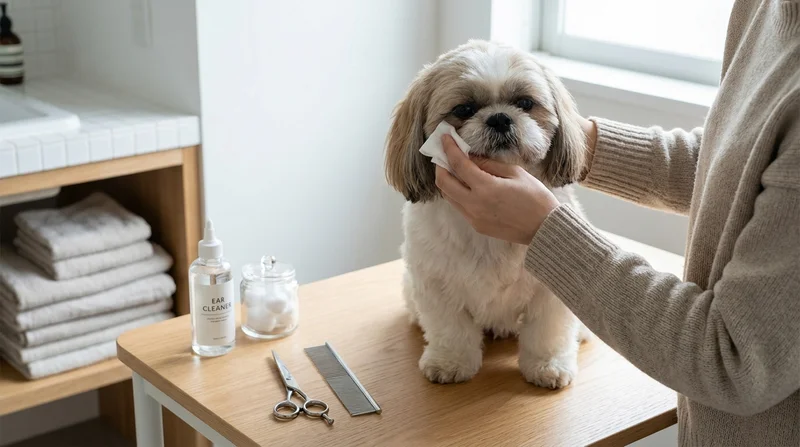
1. Daily Grooming and Regular Professional Grooming (Every 6–8 Weeks)
The Shih Tzu's long, dense coat requires daily maintenance: 5–10 minutes of detangling and facial cleaning each day, plus a professional grooming session every 6–8 weeks (costing €50–75 depending on the area and style). In short, “Shih Tzu grooming frequency and cost” means budgeting and consistency.
Solutions
Consider a short maintenance cut (such as a puppy cut) for easier upkeep and fewer tangles. Equip yourself with a metal comb, a soft brush, a detangling spray, and schedule appointments in advance. Include a morning and evening eye check in your routine.
Alternatives if No-Go
Opt for a dog with short hair or low shedding that requires minimal maintenance (e.g., toy or miniature poodle, Havanese, or Coton de Tuléar with regular cuts), or consider adopting an adult dog already accustomed to grooming.
2. Sensitivity to Heat and Cold (Short Muzzle)
Shih Tzus are vulnerable to temperature extremes: above 26–28°C, the risk of heatstroke increases. In winter, the damp cold can hinder their breathing. During summer, ensure you have air conditioning or fans, schedule walks for early morning or evening, provide fresh water, and allow rest on cool surfaces.
Solutions
Follow precautions for Shih Tzus in heat: maintain cool walking hours, take frequent breaks, provide water, and use cooling mats. In winter, ensure a lightweight waterproof coat and dry them thoroughly after rain.
Alternatives if No-Go
If you live in a very hot area without air conditioning, choose a non-brachycephalic breed that tolerates heat better (e.g., poodle, Havanese) and limit walks to cooler times.
3. Respiratory Problems (BOAS): Noisy Breathing, Exercise Intolerance
The brachycephalic health issues of Shih Tzus can lead to noisy breathing, narrow nostrils, or an elongated soft palate. This results in snoring, fatigue during exertion, and heat intolerance. Some surgeries can cost between €800 and €1,800.
Solutions
Select a puppy from parents that breathe freely (with well-opened nostrils), keep their weight in check, and prefer a harness over a collar. Insurance is recommended to mitigate financial risks.
Alternatives if No-Go
Avoid brachycephalic breeds; consider dogs with normal muzzles (such as poodles or Coton de Tuléar) if respiratory health is a concern.
4. Fragile Eyes: Ulcers, Irritations, Trauma
With their round, protruding eyes, Shih Tzus are prone to corneal ulcers (treatment costs range from €200 to €600), conjunctivitis, and irritations from hair. Daily maintenance is essential: using saline solution, trimming hair near the eyes, and being vigilant about drafts and tall grass.
Solutions
Clean their eyes 1–2 times a day, ask your groomer for hygienic eye trimming, and learn to recognize warning signs (blinking, closed eye, colored discharge) to seek timely veterinary care.
Alternatives if No-Go
Consider breeds with less pronounced eye features (like poodles or Havanese) that typically require less ocular care.
5. Dental Issues: Tartar, Possible Extractions
Due to their small jaws, Shih Tzus often face dental problems, with tartar buildup occurring early. A cleaning session can cost €150–300 (and more if extractions are needed). Regular brushing 3–4 times a week is recommended, along with dental chews and annual check-ups.
Solutions
Introduce brushing gradually (using positive reinforcement), utilize a veterinary toothbrush and gel, and plan for an annual dental check-up. Ensure dental care is included in your pet insurance if possible.
Alternatives if No-Go
Choose a breed with lower dental risks or adopt an adult dog whose dental care has been recently managed by a rescue organization.
6. Joint Issues: Patellar Luxation, Pain
Patellar luxation is common in small dogs, leading to limping, pain, and potential surgery (costing €1,200 to €2,000 per knee). Obesity and stairs can exacerbate the situation.
Solutions
Monitor weight, avoid jumping, use steps for access to furniture, and ensure breeding parents have been tested for patellar health.
Alternatives if No-Go
Avoid very small breeds if joint issues concern you; consider adopting an adult dog evaluated by a rescue, with a provided veterinary history.
7. Facial and Ear Care: Folds, Tears, Ear Infections
Caring for the nasal fold, drying after baths/rain, and maintaining ear hygiene (to prevent infections) requires 5–10 minutes daily plus 15 minutes weekly. Specialized products (ear cleaner, fold lotion) are necessary.
Solutions
Establish a simple routine: morning (fold and eye care), evening (ear checks 2–3 times a week). Request a hygienic trim from your groomer (for ears, paws, and hygiene).
Alternatives if No-Go
If these tasks seem daunting, consider a breed without facial folds and with upright ears.
8. Need for Companionship: Dislikes Prolonged Solitude
This small dog is very attached to its owner: prolonged isolation can lead to anxiety and barking. Ideally, an adult Shih Tzu should not be left alone for more than 3–4 hours; a puppy should be limited to 1–2 hours. A solid care plan is essential.
Solutions
Gradually train them to be alone, enrich their environment (with licking mats and interactive toys), walk them before your absences, and consider hiring a dog sitter during the day.
Alternatives if No-Go
Choose a more independent breed, adopt a calm adult accustomed to being alone, or arrange for regular pet-sitting.
9. Training: Housebreaking and Recall Can Be Time-Consuming, Stubborn
Training a Shih Tzu can be challenging, requiring patience and consistency. Housebreaking may take 2–3 months of regular effort, and recall training is gradual, often needing a long line. Puppy classes are recommended (costing €10–20 per session).
Solutions
Utilize positive reinforcement, high-value rewards, establish fixed routines, and ensure early and ongoing socialization. Consider working with a supportive trainer.
Alternatives if No-Go
If you're worried about puppy training, adopt a well-behaved adult dog evaluated by a rescue organization.
10. Not a Sporting Dog: Limited Endurance for Running/Hiking
Shih Tzus have limited endurance; 2–3 walks of 15–25 minutes are suitable, with calm playtime. They are not fit for running, cycling, or long hikes in warm weather.
Solutions
Enjoy leisurely walks in the shade, engage in cognitive games at home, and take frequent breaks. A carrying bag can extend your outings without tiring them out.
Alternatives if No-Go
Are you very active? Consider a more athletic breed (e.g., shepherds, spaniels) and train them progressively.
11. Alert Barking: Attention to Neighbors
Shih Tzus may bark at visitors or noises. In poorly insulated apartments, neighbors might complain.
Solutions
Work on calmness, counter-condition them to noises, provide enrichment, and use a “place mat.” Manage the environment (with windows and curtains) and reward silence.
Alternatives if No-Go
Opt for an adult dog with a well-evaluated temperament, or choose a breed known for being quieter.
12. Fragility with Young Children: Careful Handling Required
Their small size increases the risk of falls or squeezing. Supervision of interactions is crucial, and children must learn to handle them gently.
Solutions
Establish clear rules: no carrying without an adult, a safe space for the dog, and teaching children about calm signals and respecting the dog’s space.
Alternatives if No-Go
Choose a slightly sturdier breed or an adult dog that has been tested in a family environment.
13. Potentially High Veterinary Costs/Insurance
Annual vaccinations cost around €65–90. Neutering can range from €180 to €300 (for males and females). Routine check-ups and potential health issues can add up significantly.
Solutions
Budget for routine and emergency veterinary care, and consider investing in pet insurance to help manage costs.
Alternatives if No-Go
If you’re concerned about veterinary expenses, consider adopting a breed with fewer health issues or an adult dog with a clean health history.
Who is a Good Fit for a Shih Tzu?
Suitable Profiles
The Shih Tzu can be a great companion for those who are home frequently, have a calm environment, and are prepared for the grooming and care routines this breed requires.
Ideal Living Conditions
They thrive in homes where they are not left alone for long periods and can enjoy regular interaction with their owners.
Typical Weekly Routine
A typical week with a Shih Tzu would include daily grooming, multiple short walks, and plenty of playtime to keep them mentally and physically stimulated.
Alternatives If You’re Hesitant
If you love cuddly small dogs without BOAS, consider breeds like the toy or miniature poodle, Havanese, or Coton de Tuléar. If grooming maintenance is a concern, look for breeds that require less upkeep or consider adopting an adult dog that has already been trained.
Responsible Adoption or Purchasing
When considering adoption, ensure you choose a reputable breeder or rescue organization, and ask the right questions to ensure you are making an informed decision.
Detailed Budget and Planning: Monthly Maintenance Costs for a Shih Tzu
Essential Expenses
Plan for food, grooming, preventive care, and potential health costs. It's important to have a financial cushion for unexpected expenses.
Potential Costs to Anticipate
Consider health insurance options and the levels of coverage available to help manage ongoing and unexpected veterinary costs.