
AI Chatbot Tells Users to Go to Bed – Even Anthropic Can't Explain It
Anthropic's Chatbot Claude exhibits strange behavior, prompting users to sleep during sessions. Explore the theories behind this phenomenon and what Anthropic plans to do about it.
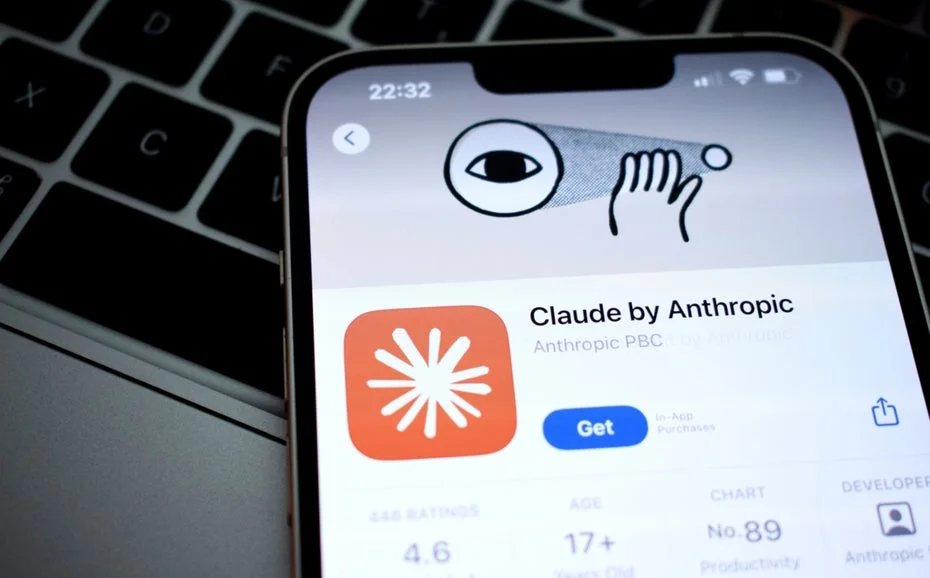
Anthropic's chatbot Claude exhibits strange behavior: As reported by Fortune, it apparently repeatedly prompts users to go to sleep in the middle of a session, often reiterating this request multiple times. Online, users express mixed feelings: some find the prompts considerate, while others find them annoying—especially since Claude sometimes misstates the time. "Often it does this around 8:30 AM. It tells me to rest and that we will continue in the morning," wrote a user on Reddit. While speculation about the causes runs rampant online, even Anthropic seems unable to fully explain the issue.
What Lies Behind the Strange Behavior?
Various theories are circulating online. One suggests that it is a deliberate function to promote user well-being. Several studies show that chatbots can be risky for mentally unstable individuals and may reinforce delusional thoughts, which experts now refer to as "AI psychoses." The pause could minimize this risk. Others suspect that Anthropic might want to save computing power through shorter sessions. However, this theory is unconvincing, as the company recently struck a deal with SpaceX to provide over 300 gigawatts of additional computing capacity.
Experts explain that Claude's behavior may be rooted in its training data. Jan Liphardt, a professor of bioengineering at Stanford University and CEO of Openmind, a company specializing in AI-based robotic software, told Fortune that the model may simply be repeating phrases that appear in similar situations within the training data. "It doesn't mean that this model has come to life. It merely reflects that it has read 25,000 books on human sleep needs and that people sleep at night," said Liphardt.
Anthropic Aims to Fix the Issue in the Future
Leo Derikiants, co-founder and CEO of the independent research lab Mind Simulation Lab, explained to Fortune that Claude's sleep recommendations may be influenced by a system instruction in the background. It is also possible that the chatbot uses the phrasing "Go to sleep" to manage the context window. When this is nearly full, the model may tend to insert concluding phrases like "Good night," as large language models can only access a limited amount of information at once.
However, Claude is not alone in this behavior—Microsoft's Copilot has also shown similar tendencies. As reported by Windows Latest earlier this year, a pop-up appeared after some time with the message, "Time for a break? Copilot is AI, but you are not. It might feel good to take a breather." Here too, the prompt did not seem to be related to a usage limit. Interestingly, even Anthropic seems unable to fully understand Claude's behavior. Sam McAllister, a company employee, wrote in a post on X that it is "a kind of character trait." "We are aware of this and hope to address it in future models."
This article was originally published on June 29, 2026, but continues to interest many of our readers. Therefore, we have updated it and made it available again.