Apple Accuses OpenAI of Theft of Trade Secrets
Apple has filed a lawsuit against OpenAI, claiming the AI company stole trade secrets to speed up hardware development. The lawsuit highlights tensions following OpenAI's acquisition of Jony Ive's startup and the recruitment of former Apple employees.
In a surprising turn of events, Apple has filed a lawsuit against OpenAI, alleging that the AI company has stolen trade secrets to expedite its hardware development. This legal action, initiated on July 10, 2026, in a federal court in Northern California, marks a significant shift in the relationship between the two tech giants, which had previously engaged in a comprehensive partnership to integrate ChatGPT into Apple's iOS.
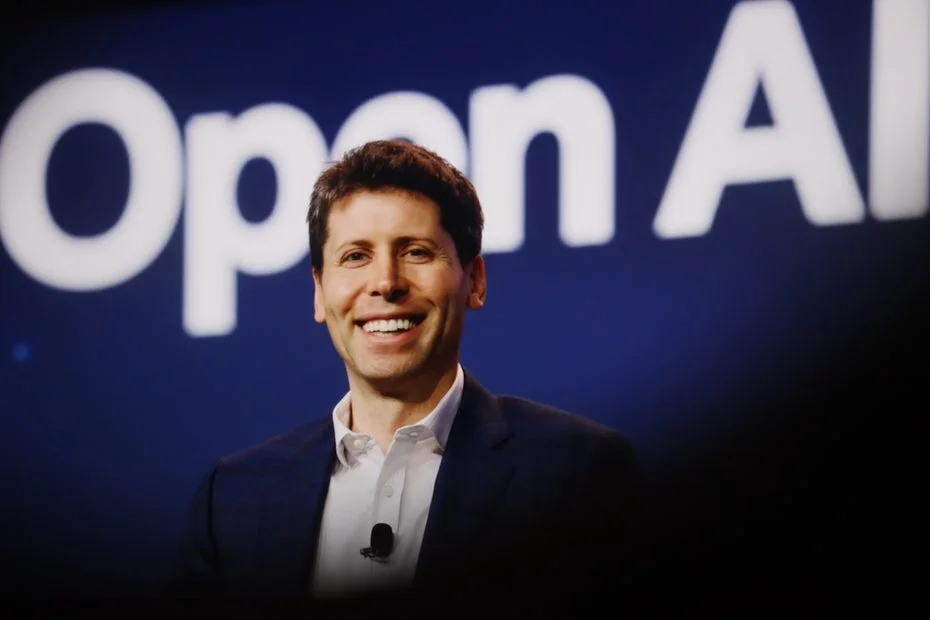
OpenAI's CEO Sam Altman had even made a special appearance at Apple's headquarters to announce this collaboration in 2024. However, tensions began to rise following OpenAI's acquisition of io Products, a startup founded by former Apple Chief Designer Jony Ive. This $6.5 billion deal aims to develop a yet-to-be-announced AI device, potentially a smartphone powered by AI agents, which could pose a competitive threat to both Apple and Samsung.
Reports suggest that OpenAI has aggressively recruited talent from Apple, particularly from its product development teams, with over 400 former Apple employees now working at OpenAI. This influx of talent has raised eyebrows and may have contributed to Apple's growing concern regarding its proprietary information.
Apple's lawsuit accuses OpenAI of stealing trade secrets at various levels of its organization, implicating both junior tech team members and high-ranking officials. The complaint specifically names two former Apple employees, Chang Liu and Tang Yew Tan, as defendants. Liu, who was involved in confidential projects at Apple, allegedly accessed sensitive hardware-related files after joining OpenAI in January 2026. According to the lawsuit, these files contained "extensive, detailed information about unreleased products, technical presentations, specifications, and proprietary project data."
Tan, who co-founded io and later became OpenAI's chief of hardware, is accused of using job interviews to solicit detailed information about Apple products from candidates. Allegedly, he even requested that applicants bring work samples from their current Apple projects to interviews at OpenAI.
In response to Apple's inquiry in February 2026 regarding these allegations, OpenAI did not provide a satisfactory explanation, prompting Apple to pursue legal action. The lawsuit seeks to prevent OpenAI from further using the allegedly misappropriated information and demands unspecified damages.
Interestingly, Tan has faced similar accusations in the past. In the summer of 2025, he appeared in court related to a trademark dispute between iyO, an audio startup, and io. During that case, he testified under oath that a former iyO manager had provided confidential information during his application to io, leading to OpenAI rebranding its upcoming AI hardware line to avoid confusion.
OpenAI has firmly denied Apple's allegations, stating that it has no interest in the secrets of other companies and is focused on developing its own innovative technologies.