
Could Geoengineering Tame El Niño by Diming the Sun?
Research indicates that geoengineering, specifically dimming the sun through marine cloud brightening, may weaken the El Niño climate phenomenon and reduce extreme weather events, but experts remain skeptical.
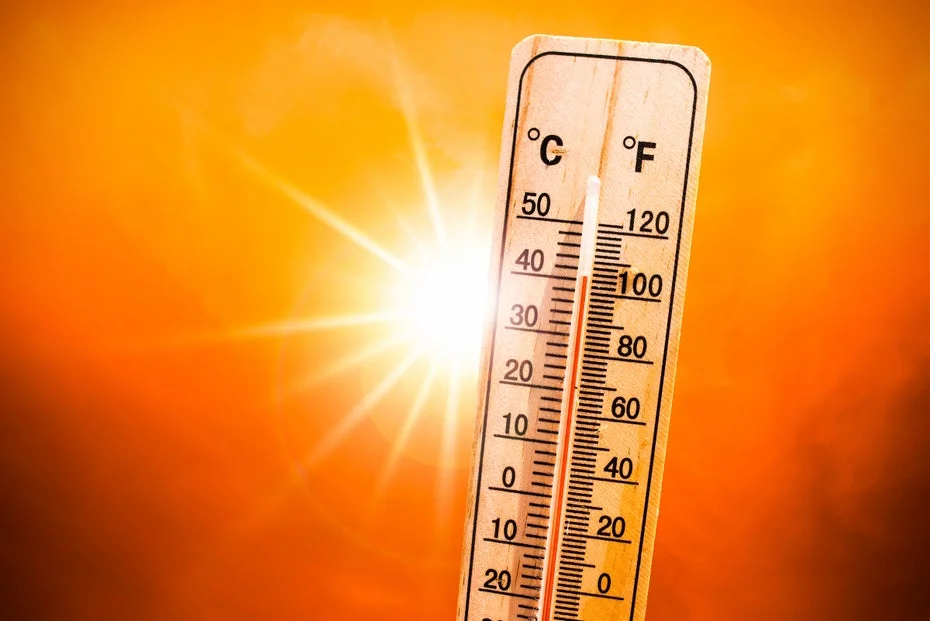
Recent research suggests that geoengineering techniques, specifically dimming the sun through marine cloud brightening, could potentially mitigate the effects of the El Niño climate phenomenon, thus reducing extreme weather events. However, not all experts are convinced of this approach's viability.
El Niño is a natural climate phenomenon that occurs every two to seven years in the tropical Pacific. It leads to warmer ocean temperatures due to weakened trade winds, which can result in severe global weather events such as droughts and floods.
Predictions indicate that the upcoming El Niño in 2023/2024 could significantly contribute to making 2024 the hottest year on record. The European Centre for Medium-Range Weather Forecasts has forecasted an "extreme" El Niño for this year.
While El Niño is not directly responsible for the current heatwaves in Europe, reducing its intensity could lessen the destructive impacts and help manage the rise in global temperatures. A research team led by climate scientist Katherine Ricke from UC San Diego has explored a potential solution: dimming the sun.
Marine Cloud Brightening as a Solution
The focus of their research was on marine cloud brightening (MCB), a method where seawater is sprayed into clouds over the ocean to enhance their ability to reflect sunlight. This process aims to lower ocean temperatures.
Currently, smaller-scale projects, such as those around the Great Barrier Reef, are testing this technology, but larger studies are lacking.
To advance their research, Ricke's team analyzed data from a "natural experiment" involving the smoke from over 10,000 bushfires in Australia during the 2019/2020 fire season. They incorporated this data into a model and tested it against two El Niño events.
Dimming the Sun to Mitigate El Niño
The findings indicated that reducing solar radiation on the Pacific's surface could significantly lessen the intensity of El Niño events and their global repercussions. The results of this investigation were published in the journal Science Advances.
The research team is particularly optimistic about their geoengineering approach, as it could be applied regionally rather than globally. However, not all experts share this view. Atmospheric scientist Andrew Dessler from Texas A&M University acknowledges the plausibility of the theory but warns of the potential political ramifications.
Dessler describes the implementation of such geoengineering efforts as a "political nightmare" that could lead to conflicts or even war. While he finds the study intriguing, he does not endorse it as a highly advisable course of action.
The challenge with this and many other proposed geoengineering strategies is the current lack of understanding regarding their potential impacts on the broader climate system. Well-intentioned measures could inadvertently produce adverse effects.