
Effective Natural Tips to Keep Mosquitoes at Bay
Discover effective natural methods to keep mosquitoes away during summer evenings and outdoor activities. Learn practical tips for prevention and relief from bites.
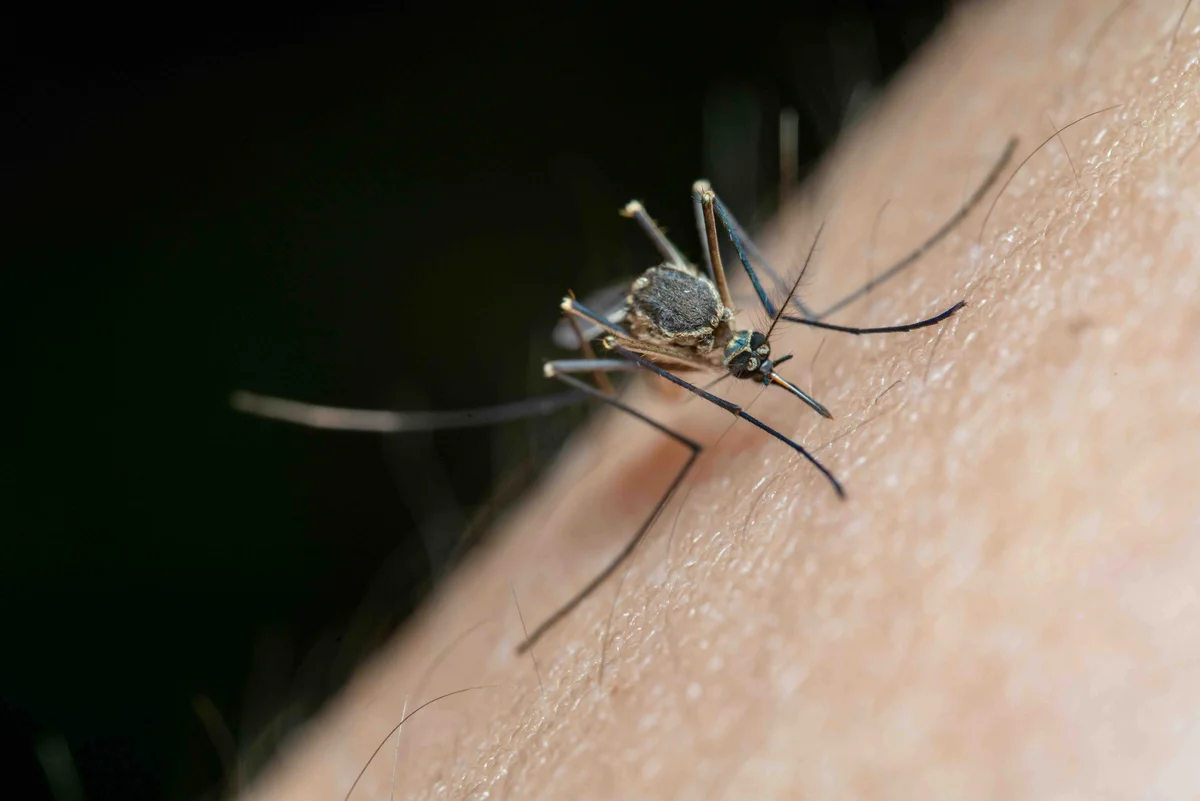
As summer unfolds, outdoor gatherings and open windows become the highlights of the season. However, these enjoyable moments can often be disrupted by an unwelcome guest: the mosquito. Known for their irritating buzz and itchy bites, mosquitoes can turn a pleasant evening into a frustrating experience.
Recent years have seen a rise in mosquito populations, attributed to milder winters, prolonged heat, and increased rainfall, all of which create ideal breeding conditions. Notably, the tiger mosquito has expanded its territory and is now active for much of the year.
It's important to note that not all mosquitoes bite; it's the females that seek blood to help nurture their eggs. They are attracted to several factors, including carbon dioxide from our breath, body heat, natural skin odors, and even sweat.
Fortunately, there are several effective strategies to significantly reduce the risk of mosquito bites, allowing you to enjoy the summer to the fullest.
Effective Strategies to Deter Mosquitoes
Combining multiple approaches is the most effective way to keep mosquitoes at bay.
Eliminate Standing Water
Mosquitoes lay their eggs in stagnant water. Just a few centimeters of water can lead to the development of hundreds of larvae. Regularly emptying:
- flower pot saucers;
- watering cans;
- buckets;
- toys left in the garden;
- clogged gutters;
- uncovered rainwater collectors.
This practice is likely the most effective method for limiting their presence around your home.
Install Mosquito Screens
Mosquito screens provide a simple and long-lasting barrier. They can be fitted on:
- windows;
- doors;
- cribs for infants;
- certain terraces.
These screens allow for ventilation while keeping insects out.
Use an Appropriate Repellent
In areas with high mosquito activity, a topical repellent can be beneficial, especially in the evenings or during outdoor activities. It’s crucial to follow usage recommendations and select a product suitable for the user’s age. For young children, consulting a healthcare professional before use is advisable.
Wear Protective Clothing
Mosquitoes are more likely to bite exposed skin. When possible, opt for:
- lightweight long sleeves;
- thin pants;
- light-colored clothing, which generally attracts fewer mosquitoes than dark colors.
Tips to Avoid Bites and Soothe Itching
Even with precautions, avoiding bites entirely can be challenging.
Adjust Your Schedule
Mosquitoes are particularly active during:
- dawn;
- dusk;
- early evening.
Limiting exposure during these times reduces the risk of bites.
Avoid Strong Fragrances
Highly scented cosmetics can attract mosquitoes for some individuals. Opting for more neutral products during summer evenings can be beneficial.
Use a Fan
Mosquitoes struggle to fly in the presence of airflow. A fan not only enhances comfort but also limits their ability to settle.
Soothe a Bite
If bitten:
- wash the area with soap and water;
- avoid scratching;
- apply a soothing treatment if necessary;
- monitor for any unusual reactions.
If a bite causes significant swelling, breathing difficulties, or discomfort, seeking immediate medical attention is essential.
Common Mistakes to Avoid
Certain habits can undermine protective measures.
Leaving Water in the Garden
Even a simple container filled with water can become a breeding ground.
Sleeping with Windows Wide Open
Using a mosquito screen remains one of the best physical barriers.
Assuming One Product is Enough
Combining several methods usually yields the best results.
Scratching Intensively
Scratching increases the risk of infection and often prolongs itching.
Misconceptions About Mosquitoes
Several myths circulate every summer:
- "Mosquitoes prefer sweet blood." No scientific evidence supports this claim.
- "UV lamps eliminate all mosquitoes." They primarily attract other insects and are often ineffective against mosquitoes.
- "Ultrasonic devices repel them." Available studies have not consistently shown effectiveness.
Protecting Children and Pets
Infants and young children are particularly vulnerable to bites. For them:
- use a mosquito net on strollers or cribs;
- choose lightweight, protective clothing;
- avoid applying products not suitable for their age.
Dogs and cats can also be affected by mosquitoes. Specific protections are available; consult your veterinarian for advice.
Repellent Plants: Helpful Yet Not Miracle Workers
Certain plants are often mentioned as deterrents:
- citronella;
- lavender;
- basil;
- mint;
- scented geraniums.
While they can help create a less attractive environment, they typically are not sufficient on their own to prevent bites.
Essential Tips Before Going on Vacation
Whether you’re heading to the countryside, the beach, or near a lake:
- bring an appropriate repellent;
- check for the presence of mosquito screens;
- avoid leaving containers filled with water around your accommodation;
- remember to protect children as night falls.