
Effective Tips for Removing Stains from Clothing
Discover effective tips for removing common stains like ketchup, red wine, coffee, and more from your clothing. Learn how to act quickly and use natural solutions for successful stain removal.
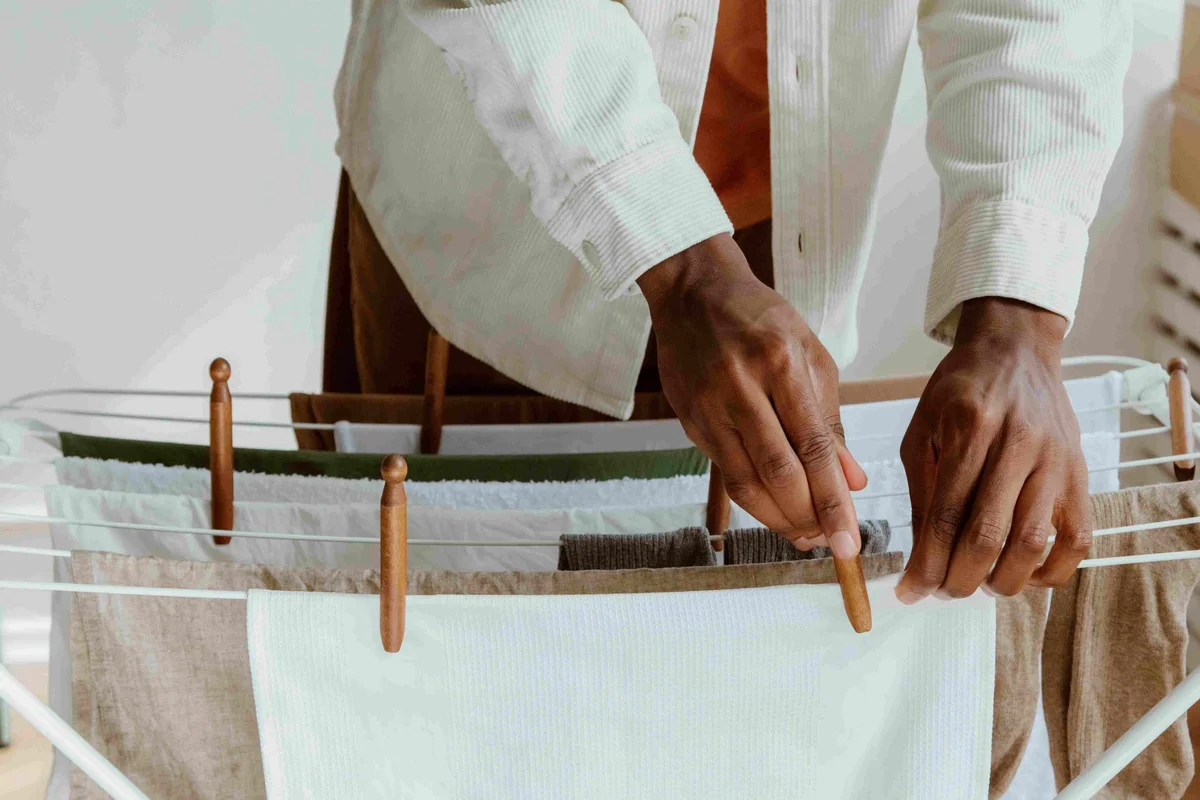
We've all faced that frustrating moment: a glass of red wine spills during dinner, a drop of ketchup lands on a white t-shirt at a barbecue, or coffee splashes on a shirt just before an important meeting. In mere seconds, a beloved garment can appear irreparably stained.
However, in most cases, it is possible to salvage a piece of clothing if you act quickly and use the right method. Unfortunately, many garments end up in the trash when a simple, appropriate treatment could have saved them.
One common mistake is to scrub the stain immediately. This instinctive reaction can actually push the substance deeper into the fabric fibers, making cleaning more difficult.
Each type of stain has its own characteristics. For example, a ketchup stain should not be treated the same way as a red wine stain, and grease marks do not react the same as coffee splashes.
Fortunately, there are several simple and often natural solutions that can yield excellent results without resorting to harsh chemicals.
Why Are Some Stains So Difficult to Remove?
The difficulty in removing a stain largely depends on the nature of the substance and how long it has been on the fabric. The longer a stain sits, the deeper it embeds into the fibers.
Heat also plays a significant role. Placing a garment in the dryer too soon can permanently set certain stains.
Delicate fabrics such as:
- silk;
- wool;
- linen;
- certain synthetic textiles;
require extra care.
Dark colors and white garments also react differently to stain removers. Thus, prompt action is the key to achieving a good result.
How to Remove a Ketchup Stain?
Ketchup is a notorious enemy of clothing. Its mix of tomato, sugar, and sometimes spices allows it to easily penetrate fabric fibers.
The first step is to gently remove any excess without spreading the stain further. Then:
- Rinse thoroughly with cold water.
- Apply a bit of Marseille soap or mild dish soap.
- Let it sit for a few minutes.
- Rinse again.
For older stains, a mixture of baking soda and water can enhance the cleaning effectiveness. Avoid hot water at the beginning of treatment, as it can set certain pigments.
The Best Tips for Red Wine Stains
Red wine is infamous for its tough stains. Its intense color comes from natural pigments that are particularly stubborn.
Contrary to popular belief, salt is not always the miracle solution. For a fresh stain:
- Quickly absorb the excess with a paper towel;
- Dab without scrubbing;
- Rinse with cold water.
Baking soda can then be used to absorb some of the pigments. A mixture of white vinegar and water is also commonly recommended. For delicate fabrics, it’s wise to test any solution on a small inconspicuous area before use.
Coffee, Tea, and Chocolate: The Right Moves
Hot beverages often cause many everyday stains. For coffee:
- Rinse quickly with cold water;
- Use a mild soap;
- Avoid boiling water.
Tea can leave more persistent marks due to its tannin content. In such cases, a mixture of warm water and white vinegar can be effective.
When it comes to chocolate:
- Wait for it to harden slightly;
- Remove the excess;
- Clean with soapy water afterward.
The quicker you act, the better the outcome will be.
Greasy Stains: The Most Deceptive
Oils, sauces, dressings, or butter often leave discreet halos that become visible after washing. Before any wash, it’s advisable to absorb the grease with:
- talc;
- Sommières clay;
- baking soda.
These powders naturally absorb greasy substances. After a few hours, a regular wash usually completes the cleaning process.
Natural Stain Removers That Really Work
Several common household products can become valuable allies in stain removal.
Baking Soda
Versatile, it helps absorb:
- odors;
- greases;
- certain food stains.
White Vinegar
It combats many organic stains and helps revive certain fabrics.
Marseille Soap
An essential reference, it remains effective on a wide variety of stains.
Sommières Clay
Particularly recommended for greasy stains.
Lemon
Its natural acidity helps lift stains from lighter fabrics.
Mistakes That Make Stains Worse
Certain habits can make cleaning much more challenging.
Scrubbing Too Hard
This mistake often spreads the stain and pushes it deeper into the fibers.
Using Hot Water Immediately
Heat can set certain substances, particularly proteins or pigments.
Putting the Garment in the Dryer Too Soon
An inadequately removed stain risks becoming permanent.
Mixing Multiple Chemical Products
Some combinations can damage fabrics or cause undesirable reactions.