Navigating Customs Fees on Temu and Shein: Essential Tips
Learn how to avoid customs fees when shopping on Temu and Shein. Understand the new flat customs charges, how to manage your orders, and the benefits of ordering from EU warehouses.
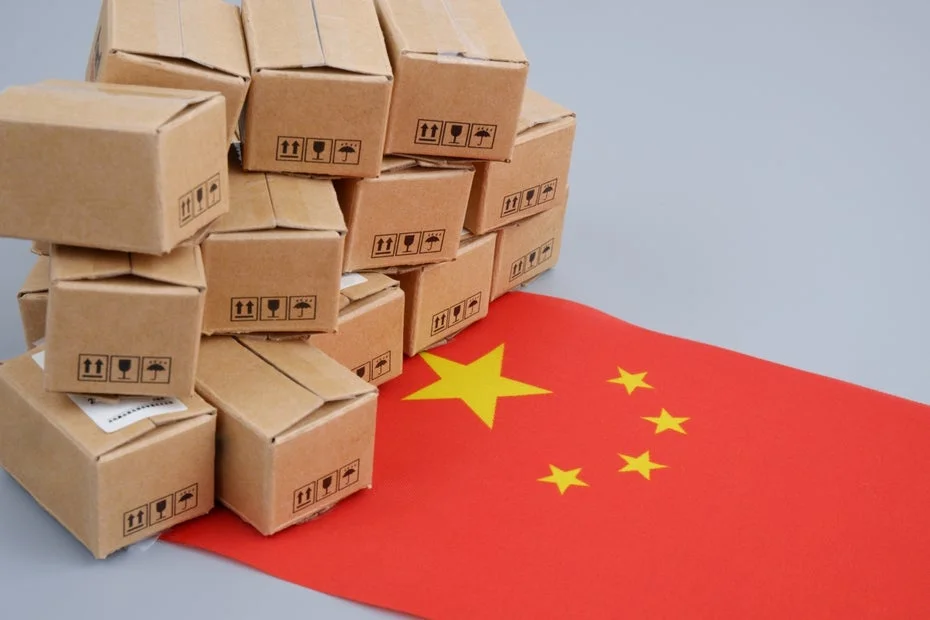
As of now, all small shipments valued under 150 euros imported from non-EU countries will incur a flat customs fee of at least three euros. This change significantly increases the cost of shopping on platforms like Temu and Shein, especially for customers placing small orders or purchasing a variety of items in a single transaction.
The new three-euro customs fee is calculated not just once per package, but is affected by the different customs tariff categories within an order. For instance, if a customer orders a pair of pants, a cable, and a cosmetic item, they could face three separate charges, leading to a total of nine euros in fees.
However, multiple identical items or those classified under the same customs category will be grouped together. Therefore, five identical cables would only trigger a single three-euro fee, while a cart filled with five completely different inexpensive items could end up being significantly more expensive. To minimize costs, customers are encouraged to combine orders with others.
Understanding Who Handles Customs Fees
Typically, the platform or seller manages the customs fees, and customers should see the total cost displayed during the purchase process. To avoid unexpected additional charges, it’s important not to focus solely on the low price of items. The final price, which includes shipping, potential import duties, and any processing fees from the shipping service, is what truly matters.
Improvements in the customs process mean that fees are generally handled through the platform or seller, and the total price is presented to customers at the time of purchase. For small orders processed through the Import One-Stop-Shop (IOSS) system, which is standard for many e-commerce platforms, there are no delays at delivery, and the shipping service will not impose further charges.
The EU legislation places the responsibility for accurate declaration and payment primarily on the declarant, which could be the platform, the seller, or a customs representative. Consumers are expected to act as declarants only in exceptional circumstances, which would be technically more complicated.
Opt for EU Warehouses for Savings
One straightforward strategy to avoid additional customs fees is to ensure that items are shipped from a warehouse located within Germany or the European Union. This generally not only reduces delivery times but also means that the goods have already been imported into the EU and cleared by the seller, often at lower rates than individual shipments.
On Temu, the shipping location is typically indicated directly on the product page, in the shipping information below the price, or at least in the shopping cart before completing the order. Phrases like "Shipping from Germany," "local warehouse," or "Shipping from the EU" indicate that the items will not be treated as small shipments from a third country. It's crucial to check the specific shipping location.
For Shein, the process is even simpler: items stored within the EU are marked on the product page and again before checkout with a label stating "EU Warehouse."
It’s important to note that while this approach may help avoid customs fees, it doesn’t eliminate them entirely. The seller has already cleared the goods upon entry into the EU, and these costs may be reflected in the sale price, making EU-sourced items appear slightly more expensive.
Large Carts Don't Guarantee Savings
Moreover, consolidating many different items into a single order does not prevent customs fees from applying. In fact, the mixed baskets typical of Temu can lead to additional costs since each tariff category included will incur a separate three-euro fee. Therefore, it’s advisable to prioritize EU locations whenever possible.
In the future, platforms are less likely to split orders into multiple packages, a practice that was previously used to keep the value below certain thresholds to avoid customs formalities and fees. However, as mentioned, a diverse cart filled with various inexpensive items could quickly become costly due to these new regulations.