
Amazon Prime Day 2026: These Products Are Real Bargains – And These You Should Avoid
The Amazon Prime Day has become a staple in the annual shopping calendar. However, those who think the event will operate in 2026 just like in previous years might miss out on some of the best deals.
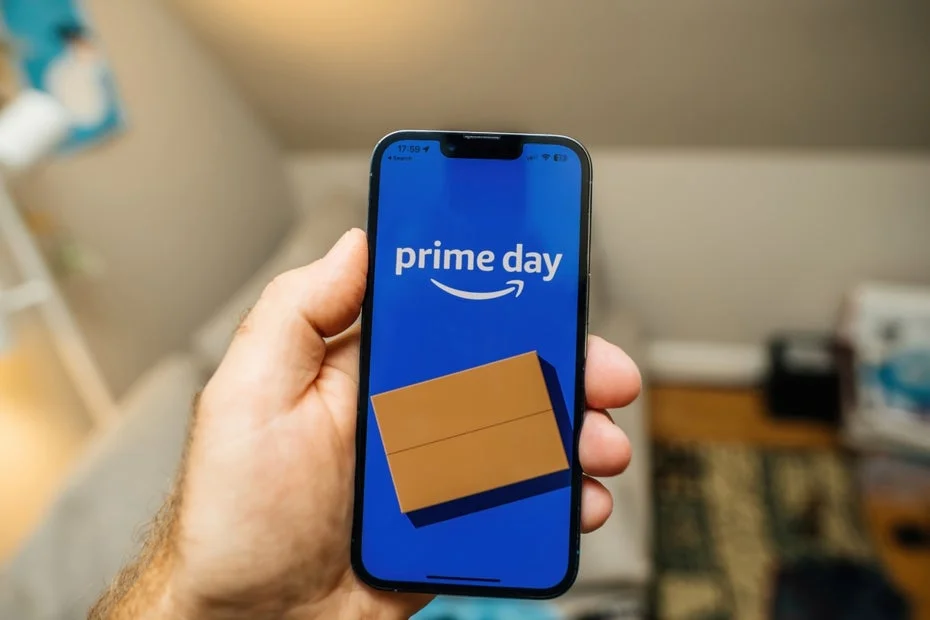
The Amazon Prime Day has now become a staple in the annual shopping calendar. However, those who think the event will operate in 2026 just like in previous years might miss out on some of the best deals – or fall for supposed bargains. This year, there are a few changes. The biggest one: Amazon has surprisingly moved the Prime Day forward. Instead of the usual July, the event will start on June 23 and run for a full four days until June 26 at 11:59 PM.
AI Becomes the New Shopping Advisor
At the same time, the company is relying more than ever on AI-driven purchase recommendations and personalized deal suggestions. This could make bargain hunting easier – or contribute to buyers seeing exactly the offers that Amazon particularly wants to sell them.
Compare Prices in Advance
Price transparency is provided by other tools, such as the search engine Camelcamelcamel or the pricing tool Keepa. These compare prices for selected products across borders and can do surprisingly well in the free version for what private users might need.
For both price trackers, the integrated price trends and statistics already provide a good orientation on whether a deal is actually attractive. However, it’s even better if you set a personal price limit before Prime Day. So think early about how much you are willing to spend on a specific product. Because once a deal goes live, there is often little time for extensive research. Experience shows that you need to secure many promotional offers within a short time before they run out or the promotional period ends.
On Average, 13 Percent Savings Are Possible
It’s also important to understand that Amazon often, but not always, has lower prices. The price comparison portal Guenstiger.de found that buyers saved an average of 13 percent on Prime Day in July 2025 compared to other providers. The average savings were particularly high for beauty products (25 percent), but there were also double-digit savings for tools, toys, household appliances, as well as garden, gaming, and televisions. Smartphones, on the other hand, were only three percent cheaper according to the price comparison portal.
Categories That Are Particularly Worthwhile
Traditionally, Amazon's own devices are among the strongest Prime Day offers. Echo speakers, Fire TV sticks, Kindle readers, or Ring products often reach their annual lowest prices during the event. Consumer electronics, smart home products, and household appliances regularly rank among the most attractive categories.
Interestingly, 2026 will see a stronger focus on everyday products and groceries. Amazon is increasingly using Prime Day to position Prime as a comprehensive shopping subscription for daily needs. Accordingly, drugstore items, household goods, and groceries are likely to be more heavily promoted than in previous years.
Without a Prime Subscription, It Won't Work
As always, the special offers will only be available to those customers who have a Prime membership. However, there is a new offer. Unlike in the past, where many customers were shown a one- or four-week free Prime trial, this year many long-time customers can participate in a new special promotion.
Prime status for three months for the price of 4.99 euros, promises the company from Seattle. That’s just 1.66 euros per month. The offer is valid until June 26, 2026, at 11:59 PM, so it can be completed just in time for the end of this year’s Prime Days. Interestingly (and probably unintentionally), the offer is also sent to customers who then find out upon clicking that they are not actually eligible for it. Some other customers, however, receive instead a seven-day free Prime offer or one for a one-time fee of 99 cents.
Cancellation Deadlines Matter, Even If Amazon Is Lenient
For those who do not yet have a subscription, Amazon offers various options: In addition to the regular monthly or annual subscription (8.99 euros per month or 89 euros per year), there is also the option to take out a 30-day trial subscription. This provides access to all Prime benefits, from shipping advantages to Prime Video to access to discount promotions. Those who have had a Prime subscription before often receive attractive reactivation conditions, such as 99 cents for one month.
For students and holders of certain social passes, there are also Prime rates that are significantly cheaper than the regular price after a free trial period.
Those who want to use Prime solely for the discount event should keep an eye on when the trial period ends. If the membership is not canceled in time, it will automatically renew into a paid subscription.
But Amazon is often lenient here – and that through the regular platform: Because if someone finds an (unexpected and unwanted) charge for a Prime membership, they have received a refund in the past if they had not yet benefited from the associated advantages, such as not having triggered any orders. For many bargain hunters, it can therefore be worthwhile to start the trial period around Prime Day and then decide whether the membership is worth it beyond that.
Conclusion: It’s Not the AI That Saves Money, But Good Preparation
Amazon is making Prime Day 2026 smarter and personalizing recommendations beyond the known measure. AI-driven deal lists and automatic price alerts are intended to make shopping more convenient. However, for bargain hunters, the basic rules hardly change. Because those who create wish lists, monitor prices, and compare competitor offers have the best chances of finding real bargains. In contrast, those who simply follow recommendations or are dazzled by high discount percentages may end up paying more than necessary.