
A Comprehensive Guide to Cleaning Chrome: Tips and Best Products for 2026
Cleaning chrome is often neglected yet essential for preserving the shine and longevity of your surfaces. This guide explains how to clean chrome effectively with the best products and homemade solutions.
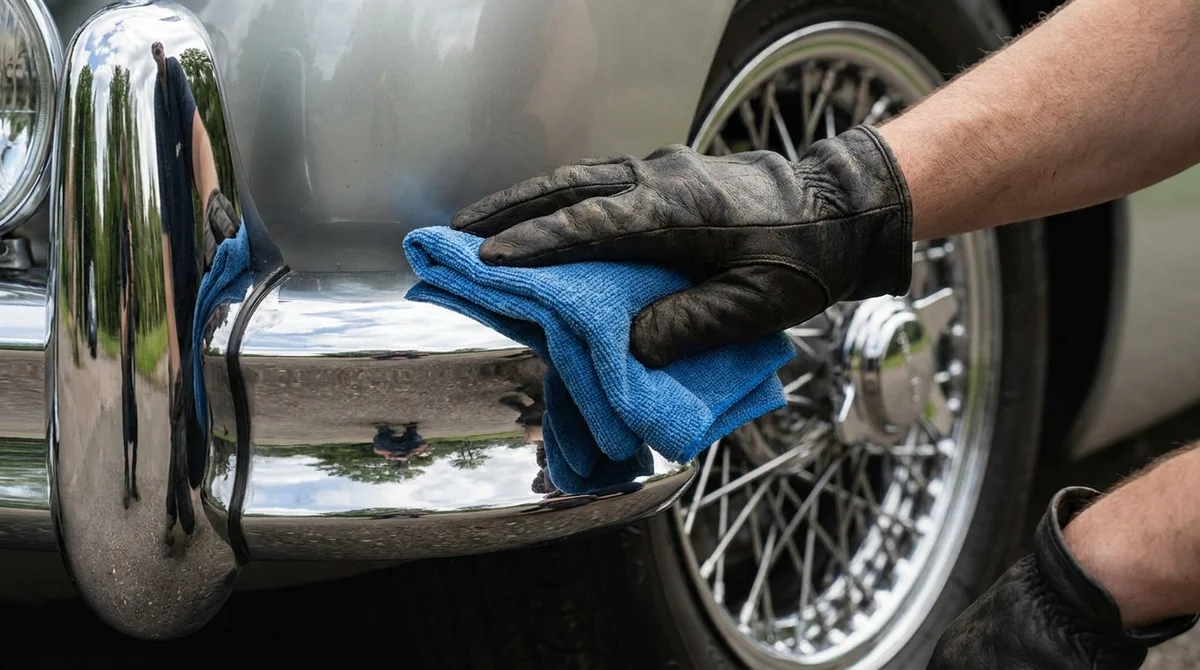
Cleaning chrome surfaces is often overlooked, yet it is crucial for maintaining the shine and longevity of your fixtures. From faucets and showerheads to wheels and door handles, chrome is ubiquitous and tends to lose its luster over time. Fortunately, with the right techniques and products, restoring the brilliance of your chrome can be quick, affordable, and risk-free. This guide provides detailed instructions for cleaning various chrome surfaces effectively.
You will learn why chrome dulls, discover the best products for cleaning chrome tailored to different situations, explore effective homemade solutions, and understand the precautions necessary to avoid damaging your surfaces.
Understanding Why Chrome Dulls: Causes and Signs to Watch For
Before diving into how to clean chrome, it’s essential to understand the reasons behind its dullness. This knowledge will help you choose the appropriate method and avoid mistakes that could worsen the damage.
The primary enemy of chrome is limescale. Dissolved in tap water, it deposits as it dries, leaving those characteristic white rings on faucets and showerheads. In hard water areas, this phenomenon can appear in just a few days. Other contributing factors include:
- Oxidative corrosion: In humid conditions, chrome can develop slight rust spots, especially if the protective layer is scratched.
- Soap and grease deposits: Residues from shower gel, toothpaste, or mechanical grease can create a dull film that is difficult to remove with water alone.
- Fingerprints and moisture: Frequent contact with decorative pieces or handles leaves visible greasy marks.
- Inappropriate cleaning products: Abrasive cleaners or strong acids can scratch or permanently dull fine chrome.
Signs that indicate it’s time to clean include a matte surface instead of a shiny one, white or yellowish deposits, small reddish spots (early signs of rust), or persistent greasy films. Acting promptly will make cleaning easier and safer.
Recommended Tools and Products for Cleaning Chrome
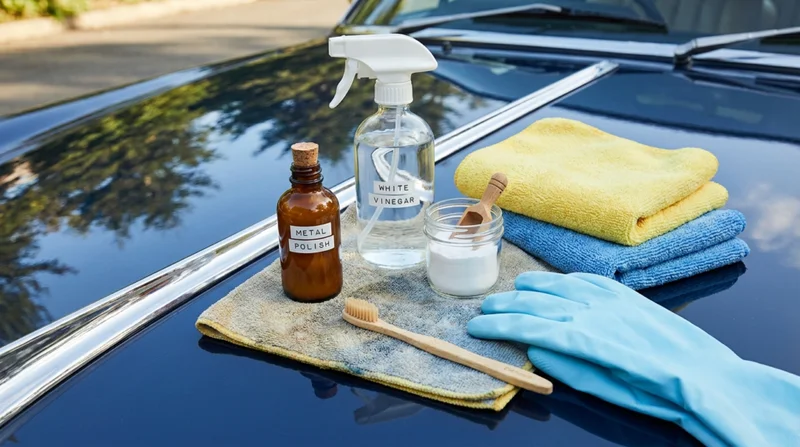
Having the right tools is crucial. Using the wrong cloth or an overly aggressive product can leave irreversible scratches, especially on fine or electrolytic chrome finishes.
Essential Tools
- Soft microfiber cloth: This is the go-to cleaning material. It cleans without scratching and absorbs moisture effectively. Avoid abrasive sponges, steel wool, and hard brushes at all costs.
- An old toothbrush: Perfect for getting into crevices, faucet threads, and hard-to-reach areas.
- A soft cotton cloth or chamois for the final polishing.
- An empty spray bottle for applying homemade solutions.
- Nitrile gloves to protect your hands, especially when using acidic or commercial products.
Natural Solutions: Lemon, Baking Soda, Vinegar
To clean chrome without harsh chemicals, natural alternatives are effective for most common surfaces:
- Pure lemon juice: Its citric acid dissolves limescale and restores shine. Ideal for faucets and showerheads, it should be diluted on fine chrome.
- Baking soda: Slightly abrasive, it removes stubborn marks and soap residues. Mix it into a paste with a little water or lemon juice.
- Diluted white vinegar: Effective against limescale but should be used cautiously on older or damaged chrome, as it can attack the surface layer at high concentrations.
- Flour: Surprisingly effective. Sprinkled on a damp surface, it absorbs grease and provides a slight polish. This old technique is particularly favored for decorative pieces.
Best Commercial Products for Cleaning Chrome
When dealing with old limescale or existing rust, specialized products offer a cleaning power that homemade recipes cannot match. Here are top recommendations for the best product for cleaning chrome based on use:
- Autosol Chrome Polish: A staple in automotive maintenance, it cleans, polishes, and protects in one application. Excellent results on wheels and bumpers.
- Bar Keepers Friend: A slightly abrasive powder, very popular for cleaning bathrooms, faucets, and both stainless steel and chrome surfaces indoors.
- HG Anticalc Spray: A ready-to-use liquid formula specifically designed for chrome surfaces in bathrooms. No intensive scrubbing is necessary.
- WD-40 Multi-Use: Useful for small emerging rust spots on exterior chrome. While not a cleaner per se, it removes deposits and protects against moisture.
For more versatile natural solutions, check out our guide on powerful natural degreasers, an excellent addition to your cleaning arsenal.
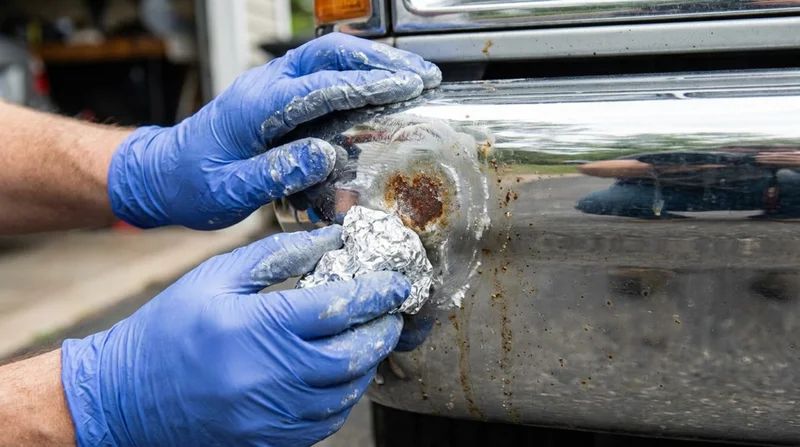
There is no one-size-fits-all method. The best product for cleaning chrome on a faucet may not be suitable for a car wheel or a bathroom grab bar. Here are detailed protocols based on surface type.
Homemade Recipes: Dosages and Preparations
Baking soda-lemon paste (for faucets, showerheads, and sanitary fixtures):
- Mix 2 tablespoons of baking soda with the juice of half a lemon until a homogeneous paste forms.
- Apply to the chrome surface using a microfiber cloth or toothbrush.
- Let it sit for 5 to 10 minutes.
- Gently scrub in circular motions, then rinse thoroughly with warm water.
- Immediately dry with a clean cloth to prevent new rings.
Diluted white vinegar solution (for light to moderate limescale):
- Dilute white vinegar 50% with water in a spray bottle.
- Spray on the surface and let it sit for a maximum of 3 to 5 minutes.
- Wipe with a damp microfiber cloth, then rinse with clear water.
- Never leave pure vinegar in prolonged contact with fine chrome or decorative finishes.
Cleaning Faucets and Showerheads
Faucets and showerheads accumulate limescale and soap residues. Start by unscrewing the showerhead if possible, to clean the interior (limescale deposits in the holes). Soak it in a solution of half water and half vinegar for 30 minutes. For the exterior of the faucet, use the baking soda-lemon paste with an old toothbrush on the threads. Rinse, dry, and then apply a very thin layer of mineral oil or chrome polish for protection. The results are instantly visible.
Cleaning Wheels and Chrome Parts of Cars
Automotive chrome faces extreme conditions: braking, salt projections, heat. Always start with a wash using soapy water to remove dust and mud. Then apply a specialized product like Autosol with a cotton cloth, working in small areas with circular motions. Wipe with a clean chamois. Never use abrasive paste on thin chrome or plastic chrome finishes. Finish with a protective polish to repel future dirt.
Cleaning Bathroom Bars and Accessories
For towel bars, bathtub handles, and chrome accessories, regular cleaning with HG anticalc spray or diluted vinegar solution is sufficient to maintain shine. Always dry after each cleaning. For stubborn marks, Bar Keepers Friend powder applied with a damp microfiber cloth yields excellent results. Also, consult our guide on cleaning bathroom joints, which often get dirty alongside chrome surfaces.
Pro Tips: Drying, Polishing, and Repolishing
- Always dry immediately after rinsing: Residual water is the main cause of new limescale rings.
- Polish dry with a chamois in circular motions to revive the shine.
- For minor superficial scratches on automotive chrome, a fine polish like Meguiar’s Mirror Glaze can remove micro-traces.
- Apply a thin layer of carnauba wax or chrome protector after each deep clean to prolong the effect.
Comparison: What is the Best Product for Cleaning Chrome?
Here is a practical comparison based on the most common tasks, helping you choose the right product for your situation:
| Product | Main Use | Limescale Effectiveness | Scratch Risk | Approximate Price | |-----------------------------|---------------------------|-------------------------|--------------|-------------------| | Baking soda + lemon (homemade) | Faucets, sanitary fixtures | Good (light to moderate) | Low if well dosed | < 1 € | | HG Anticalc Spray | Bathroom, faucets | Very good | Very low | 5 to 7 € | | Bar Keepers Friend | Sanitary, kitchen, indoor chrome | Excellent | Moderate (powder) | 6 to 9 € | | Autosol Chrome Polish | Auto, motorcycle, wheels | Good | Low (fine paste) | 8 to 12 € | | WD-40 Multi-Use | Emerging rust, protection | Low | Very low | 5 to 8 € |
The verdict after testing: for everyday use in the bathroom, the homemade baking soda-lemon recipe or the HG spray is more than sufficient. For intensive automotive use or deep restoration, Autosol remains the undisputed reference. Bar Keepers Friend is ideal for older, thicker deposits but requires careful application on fine chrome.
Essential Precautions and Sustainable Chrome Care
Even with the best tips for cleaning chrome, common mistakes can permanently damage your surfaces. Here are the golden rules to follow.
What Not to Do
- Never use steel wool or abrasive green sponges: they irreparably scratch the chrome layer and expose the underlying metal to corrosion.
- Avoid bleach or ammonia-based products on chrome: they can dull and weaken the coating.
- Do not let an acidic product (pure vinegar, lemon) sit for more than 10 minutes: beyond that, the risk of damage increases, especially on fine finishes.
- Never scrub dry: always moisten the surface before any mechanical cleaning.
Recommended Maintenance Frequency
To maintain shine effortlessly:
- Daily: Wipe faucets and chrome surfaces after use with a dry microfiber cloth. This simple gesture prevents 80% of limescale deposits from forming.
- Weekly: A quick pass with diluted anticalc spray or diluted white vinegar on bathroom surfaces.
- Monthly: Deep cleaning with a paste or specialized product, followed by a protective polish.
- Seasonal (automotive): Complete treatment of exterior chrome before winter (road salt) and in spring.
Protective Finishes to Extend Shine
After each deep clean, applying a protective product creates a barrier against limescale and moisture. Several options include:
- Baby oil or mineral oil: A few drops on a cloth, applied to dry chrome. Creates a light protective film, ideal for faucets and bathroom accessories.
- Carnauba wax: For automotive chrome, it provides durable protection against UV rays, salt, and moisture.
- Chrome protector spray (like Meguiar’s or Sonax): A professional product, easy to apply, offering long-lasting protection.
If you encounter broader issues with your chrome surfaces, it’s essential to address them promptly for effective maintenance.