
Choosing and Using Sunscreen Effectively for Skin Protection
Learn how to effectively choose and apply sunscreen to protect your skin during summer activities. Understand SPF ratings, application tips, and common mistakes to avoid.
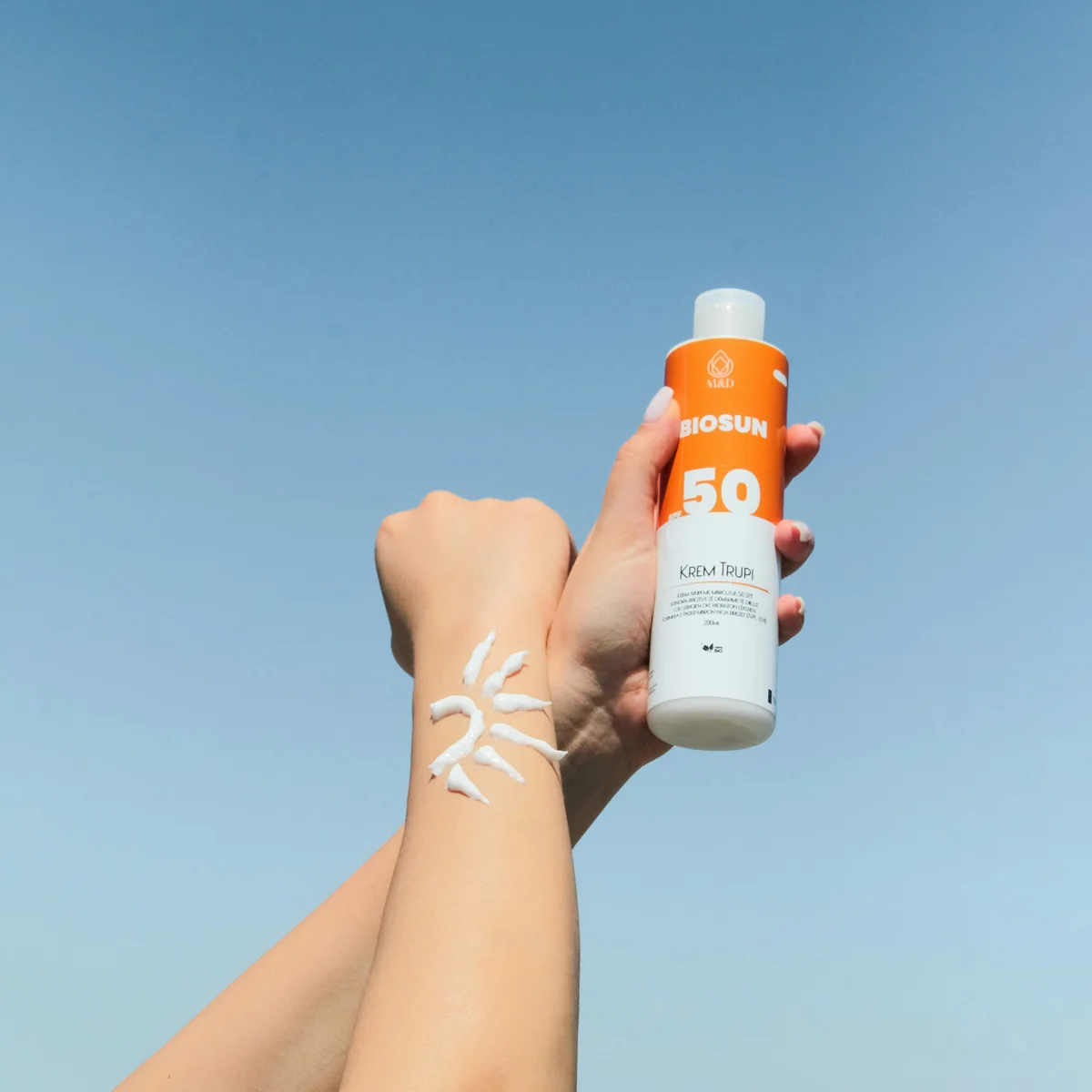
As summer approaches, outdoor activities such as beach days, terrace meals, and strolls in the sun become more frequent. While the sun is often associated with relaxation and vitamin D, it also poses significant risks to the skin. Each year, countless individuals suffer from sunburn, premature skin aging, or, in the long run, diseases linked to excessive exposure to ultraviolet (UV) rays.
Contrary to popular belief, sunscreen is not just for beach outings. UV rays can penetrate clouds and remain present even on overcast days. They can also be reflected off surfaces like sand, water, or certain minerals, increasing exposure.
Unfortunately, many people still misuse their sun protection: using the wrong SPF, applying insufficient amounts, forgetting to reapply, or overly trusting a single morning application. These mistakes drastically diminish sunscreen’s effectiveness.
Choosing the right sunscreen and learning how to use it properly allows you to enjoy sunny days while minimizing skin risks.
How to Choose the Right Sunscreen
Not all sunscreens are created equal. Your choice should primarily depend on your skin type, the sun's intensity, and the duration of your exposure.
Understanding Protection Indices
The Sun Protection Factor (SPF) indicates the level of protection against UVB rays, which are responsible for sunburn.
The most common SPF ratings are:
- SPF 15: low protection;
- SPF 30: high protection;
- SPF 50: very high protection;
- SPF 50+: maximum available protection.
For very fair skin, children, or during intense summer exposure, an SPF of 50 or higher is typically recommended.
Tailoring Protection to Your Skin Type
Individuals with fair skin, red or blonde hair, and those who easily get sunburned require enhanced protection.
Conversely, darker skin tones are less sensitive to sunburn but still face risks from UV exposure related to skin aging and skin cancer.
Checking UVA and UVB Protection
A quality sunscreen protects against both:
- UVB rays, which cause sunburn;
- UVA rays, which penetrate deeper into the skin and contribute to aging.
Look for the "UVA" logo enclosed in a circle as a reliable indicator.
Best Practices for Effective Sun Protection
Choosing a good sunscreen is only part of the equation; correct application is crucial.
Apply Sunscreen Before Exposure
Sunscreen should be applied about 20 to 30 minutes before sun exposure to allow the filters to take effect.
Use an Adequate Amount
One of the most common mistakes is applying too little. A thin layer significantly reduces the actual level of protection.
Don’t forget often-overlooked areas:
- ears;
- nape of the neck;
- tops of the feet;
- hands;
- lips (with a suitable balm);
- scalp if hair is thinning.
Reapply Regularly
Sunscreen gradually loses effectiveness over time, due to sweat, swimming, or towel rubbing.
It is advisable to reapply:
- every two hours;
- after each swim;
- after heavy sweating.
Even products labeled as "water-resistant" require reapplication.
Avoid the Hottest Hours
The best sunscreen cannot replace other protective measures. Between 12 PM and 4 PM, UV rays are particularly intense. Whenever possible, seek shade during this time.
Mistakes to Avoid with Sunscreen
Certain habits can create a false sense of security.
Using Last Year’s Sunscreen
Opened sunscreen that has been stored improperly may lose its effectiveness.
Assuming High SPF Allows Longer Sun Exposure
While SPF 50 offers more protection than SPF 30, it does not permit unlimited sun exposure.
Neglecting Cloudy Days
A significant portion of UV rays can penetrate clouds. Sunburns are still possible even without bright sunlight.
Forgetting Certain Body Parts
Areas like the nose, shoulders, ears, and feet are among the most frequently affected by sunburn.
Extra Caution for Children
Children's skin is more fragile when it comes to UV exposure.
For them, it is advisable to:
- opt for SPF 50+;
- wear wide-brimmed hats;
- use lightweight, covering clothing;
- avoid direct sun exposure, especially for infants.
Infants should not be exposed directly to the sun.
What to Do in Case of Sunburn
Despite precautions, sunburn can still occur. Initial steps include:
- moving to the shade immediately;
- cooling the skin with fresh (but not icy) water;
- applying a suitable moisturizing or soothing product;
- drinking plenty of fluids to compensate for water loss.
If the sunburn is extensive, accompanied by blisters, fever, or malaise, medical advice is necessary.