
Stay Cool This Summer: Practical Tips for a Refreshing Home Without Air Conditioning
Discover practical tips to keep your home cool without air conditioning during summer heatwaves. Learn effective methods for managing windows, blocking sunlight, and reducing indoor heat sources.
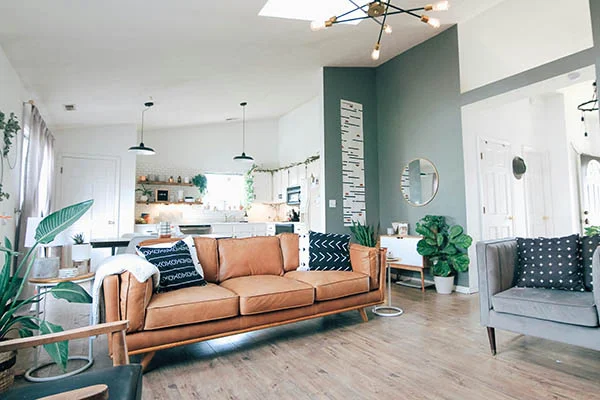
As temperatures soar and the heat becomes oppressive, many people instinctively reach for the air conditioning. However, not every household has access to this luxury, and installing such a system can be a significant financial investment, particularly when electricity bills start to rise. Fortunately, there are simple, proven, and cost-effective methods to keep your home comfortable even during the most intense heat waves. With the right strategies and a few clever adjustments, your home can become a refreshing oasis. Here’s how to stay cool this summer without breaking the bank.
Mastering Window Management: The Key to Keeping Heat Out
This is a well-known tip that many fail to implement effectively: managing your windows is the primary defense against heat. One common mistake is leaving windows open during the day, hoping to let in fresh air. However, once outdoor temperatures exceed those inside—usually by mid-morning in summer—opening windows only invites heat into your home.
The right approach is straightforward: seal everything tightly as soon as the sun starts to heat up, typically between 8 and 9 AM. Close shutters, lower blinds, and draw thick curtains. This creates a thermal barrier that prevents heat from entering, effectively turning your home into a thermos that retains the coolness accumulated overnight.
In the evening, when the outside air cools down—often after 9 or 10 PM depending on your location—it’s time to open up. To maximize the cooling effect, create a cross-breeze by opening windows on opposite sides of your home, ideally in a diagonal pattern. If you have openings at different heights, remember that warm air rises: open upper windows to let out the heat and lower ones to draw in the cooler air. This nighttime ventilation technique can lower indoor temperatures by several degrees in just a few hours, making it a valuable practice throughout the summer.
Blocking Sunlight: Transforming Your Home into a Cool Retreat
Heat accumulation in a home doesn’t solely come from outdoor air; a significant amount originates from solar radiation that penetrates windows, warming walls, floors, and furniture. During a heatwave, a south or west-facing window without protection can act like a magnifying glass, turning your living room into a sauna. Therefore, blocking this radiation is essential.
Exterior shutters are your best allies. Unlike indoor curtains that let in heat before attempting to block it, shutters act at the source, preventing sunlight from even reaching the glass. If your home has them, use them during the day without hesitation. For windows without shutters, consider investing in reflective films to apply to your glass: these inexpensive solutions reflect much of the solar radiation back outside while still allowing light to enter.
Thick curtains, preferably light-colored on the sun-facing side, also provide effective supplementary solutions. Light tones like white or cream reflect heat, while darker fabrics absorb it and release it back into the room. To enhance outdoor areas like patios or balconies, consider using shade sails or pergolas, which prevent the ground from overheating and radiating heat indoors. Additionally, planting or installing climbing plants on exposed facades can serve as remarkable natural insulation while beautifying your exterior.
Minimizing Indoor Heat Sources: Small Changes, Big Impact
People often overlook the heat generated within their own homes. Yet, during a heatwave, every watt produced by your appliances contributes to the rising indoor temperature. Devices like ovens, washing machines on hot cycles, dryers, stovetops, and even incandescent or halogen bulbs all generate unnecessary heat that compounds the external warmth.
Adjust your lifestyle to the season. Cook early in the morning or late in the evening when temperatures are cooler. Opt for cold meals, salads, and dishes that require minimal cooking. If you must cook something hot, choose the microwave over the oven, as it generates significantly less heat in the room. Run your washing machine on cold cycles and avoid the dryer: your laundry will dry quickly in the open air—much faster than in winter.
If you haven’t switched to LED bulbs yet, now is the perfect time. An LED bulb produces about 90% less heat than an incandescent bulb while providing the same level of light. Also, remember to unplug devices that are on standby: even in this mode, they consume power and emit heat. Finally, fans remain valuable allies when used correctly. A ceiling fan set to rotate counterclockwise in summer creates a refreshing downward breeze. Pair it with a bowl of cold water or ice placed in front of a floor fan to enhance the cooling effect through evaporation.
Keeping your home cool without air conditioning is entirely achievable through organization, common sense, and a few simple investments. By smartly managing openings, effectively blocking solar radiation, and minimizing indoor heat sources, you can turn your living space into a pleasant refuge even during the hottest summers. These techniques, utilized by our ancestors long before the advent of air conditioning, have proven effective for centuries in hot climates. Start implementing them today for a more comfortable, economical, and environmentally friendly summer.