
Grilling with Plancha and Kamado: The New Outdoor Cooking Stars
As outdoor dining becomes a cherished ritual, the plancha and Kamado barbecue emerge as popular choices for grilling meats, vegetables, and more.
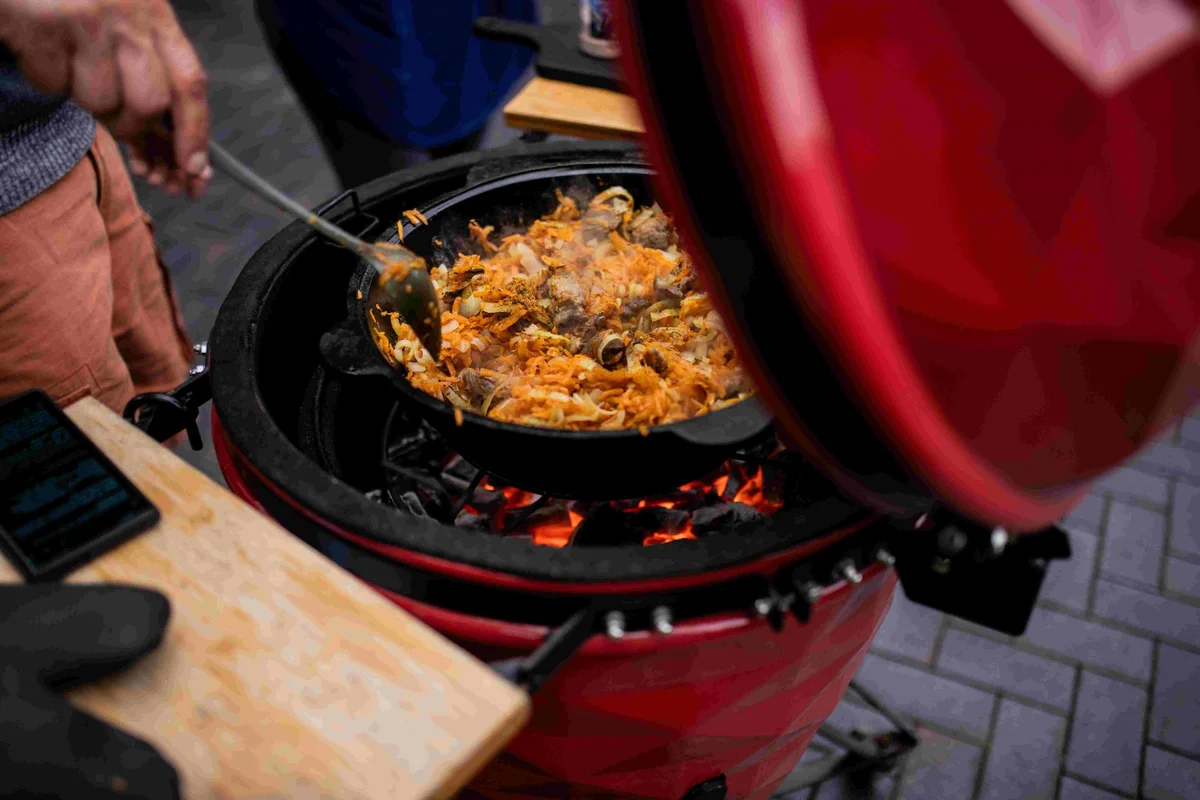
As the warm weather arrives, outdoor dining transforms into a cherished ritual. Families and friends gather around tables to enjoy grilled meats, seasonal vegetables, and delicately cooked fish. While the traditional barbecue remains a classic choice, two cooking devices have gained significant popularity in recent years: the plancha and the Kamado barbecue. These are not only the stars of terraces and gardens but also appeal to both casual cooks and culinary enthusiasts due to their versatility and ease of use.
The plancha, which originates from Spain, is favored for its quick and healthy cooking method. Utilizing a heated plate, it cooks food without direct flame contact, thereby minimizing smoke and the formation of unwanted substances. On the other hand, the Kamado barbecue, inspired by Japanese ceramic ovens, offers a charcoal cooking experience that is exceptionally controlled. Its design allows for perfect heat and moisture retention, making it suitable for grilling steaks, slow-cooking lamb shoulders, or even baking pizzas.
Why is the Plancha Gaining Popularity?
The plancha's appeal lies in its simplicity. It takes only a few minutes to reach the ideal cooking temperature. Unlike traditional barbecues, the food is not directly exposed to flames, which reduces the risk of charring.
Another significant advantage is that nearly all types of food can be cooked on a plancha. Vegetables retain their crunch, fish stays tender, and meats develop a beautiful color while keeping their juices intact.
Health-conscious cooks also appreciate that the use of fats can be minimized. Generally, just a few drops of oil are enough to prevent sticking.
The Kamado Barbecue: More Than Just a Grill
Often regarded as a premium barbecue, the Kamado is actually much more versatile. Its ceramic body retains heat exceptionally well and allows for low-temperature cooking for several hours while using minimal charcoal.
It can be used to:
- Grill meats;
- Smoke salmon;
- Bake pizza;
- Make bread;
- Prepare stews;
- Roast vegetables.
This versatility largely explains its popularity among outdoor cooking enthusiasts.
Plancha vs. Kamado: What Are the Differences?
Cooking Techniques
The plancha provides high-heat cooking, ideal for delicate foods and quick meals.
In contrast, the Kamado allows for both direct and indirect cooking, offering excellent temperature control.
Flavor Profiles
The plancha preserves the natural flavors of the ingredients.
The Kamado, however, imparts a distinctive smoky flavor due to charcoal cooking.
Maintenance
Cleaning the plancha is generally straightforward. When it's still warm, a few ice cubes or a bit of water can help lift off residues.
The Kamado requires less frequent maintenance, but it’s important to regularly remove ashes and clean the grates.
What Foods to Cook on a Plancha?
The plancha is perfect for:
- Beef;
- Poultry;
- Duck;
- Gambas;
- Calamari;
- Salmon;
- Tuna;
- Zucchini;
- Bell peppers;
- Asparagus;
- Mushrooms;
- Grilled pineapple;
- Grilled peaches.
The cooking process is quick and effectively preserves the flavors.
What Foods Shine on a Kamado?
The Kamado excels at cooking:
- Beef ribs;
- Pork ribs;
- Whole chicken;
- Smoked bacon;
- Smoked salmon;
- Artisan pizzas;
- Homemade bread;
- Leg of lamb.
Its ability to maintain a stable temperature for extended periods makes it a favorite for slow cooking.