
Innovative Satellite Propulsion: Harnessing Magnetism Instead of Chemicals or Electricity
Zenno Astronautics has tested a satellite propulsion system using superconducting magnets that interact with the Earth's magnetic field, aiming for sustainable technology in space.
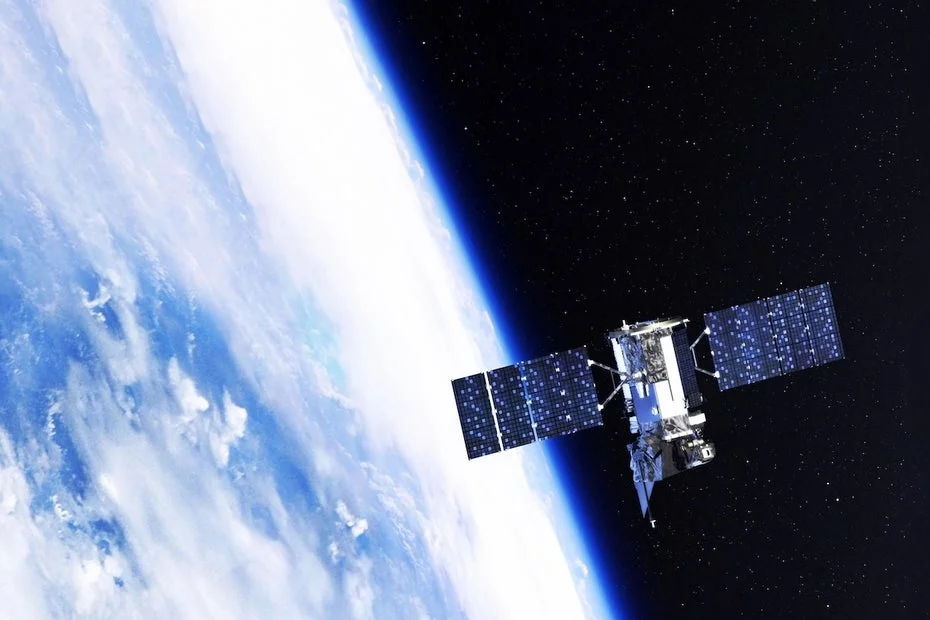
Zenno Astronautics has successfully tested a groundbreaking satellite propulsion system that operates without relying on chemical fuels or electrical energy. This innovative approach was announced by the New Zealand-based company on their website.

Traditional Satellite Propulsion Methods
Typically, satellites adjust their trajectories using onboard engines that function through either chemical or electrical means. Chemical propulsion involves igniting combustible fuels to generate thrust, while electrical propulsion converts propellant into kinetic energy using electrical energy.
The Magnet-Based Propulsion System
Zenno has replaced conventional propulsion techniques with superconducting magnets that are housed in a container roughly the size of a shoebox. These magnets interact with the Earth's magnetic field to maintain a satellite's orbit.
Max Arshavsky, CEO of Zenno, explained to Space.com that the system allows spacecraft to maintain stability in space. "When we power the magnets, they create a magnetic field that interacts with the Earth's magnetic field," he said. "By controlling the satellite's magnetic field, we can also control its orientation relative to the Earth."
Solar Energy as a Power Source
The energy required to activate the magnets is derived from solar power. Arshavsky noted, "Energy is the only abundant resource in space, and it can be utilized to operate the magnets, creating a magnetic propulsion device."
However, the sun also presents challenges. Superconducting magnets need to be maintained at temperatures around -200 °C. While space is generally cold, satellites are frequently exposed to sunlight, causing them to warm up to about 20 °C. To combat this, the magnet housing is protected by multiple insulation layers, and the system includes a heat pump to dissipate excess heat into space.
A Milestone in Space Technology
Zenno claims to have deployed the "first commercial superconducting magnet actuator in space" with this mission. The company had previously tested the technology in 2023, but this time, the thrust generated was ten times greater.
Looking ahead, Zenno plans to launch even larger superconducting systems for future missions targeting the Moon and Mars. Arshavsky emphasized the company's goal: "Essentially, we want to eliminate any dependency on Earth's resources to build a sustainable industry in space."