
Magic Mushrooms Help Alzheimer Patient Speak Again – Breakthrough or Coincidence?
A Brazilian woman with severe Alzheimer's showed remarkable improvements after receiving psilocybin from magic mushrooms, raising questions about the potential of psychedelics in treating dementia.
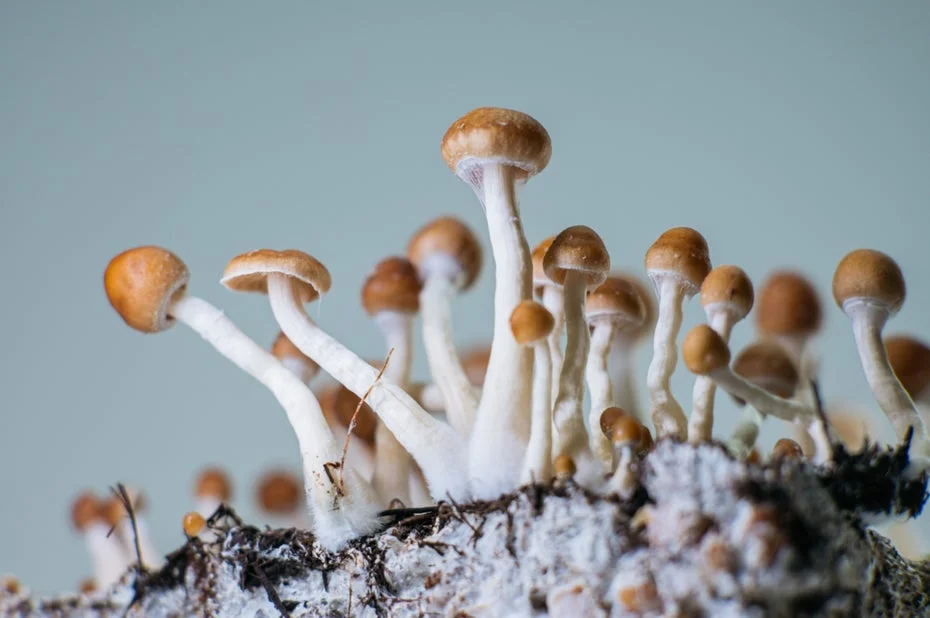
The son of an 83-year-old woman suffering from severe Alzheimer's in Brazil signed a significant document some time ago: consent for a team from the private clinic Ankh Cross Association in São Paulo to administer five grams of Enigma to his mother. Enigma is a strain of magic mushrooms from the species Psilocybe cubensis. The psilocybin contained in it seemingly reactivated abilities that had long been thought lost in the Alzheimer’s patient.
The woman, who had communicated in a rather monosyllabic manner due to her illness for years, began a four-hour conversation with her son 19 hours after taking the psilocybin. She also reportedly discussed memories during this time, according to the case study. In the weeks that followed, the patient gradually regained control over her bladder. She became increasingly mobile and was able to dress herself independently again.
A second three-gram dose of Enigma after a month led to further progress, according to the study. Among other things, her verbal and facial expression abilities improved. During a visit to the clinic, the patient said, "It is pleasant to come here." However, a structured self-report was hardly possible, which the authors attribute to the advanced stage of dementia. They note that a complete cure has not occurred and that the possible mechanisms behind the improvements remain unclear.
In principle, these effects seem possible. After all, the effects of psychedelics on the brain are already being therapeutically utilized in other areas, such as for many people with severe depression, anxiety disorders, or other mental illnesses. They apparently promote the brain's plasticity, meaning its ability to adapt and reorganize. How exactly this happens is still under investigation.
Psilocybin Report: Doubts About Validity and Ethics
"I have a whole range of concerns regarding the validity of the report and the ethics overall," comments Albert Garcia-Romeu from Johns Hopkins University in Baltimore, USA, to the journal New Scientist. Garcia-Romeu is involved in a study examining the effects of psilocybin on depression in people with early-stage Alzheimer’s. "The article only describes the month following the first session and provides no information on a longer follow-up period or how long, or if, the improvements lasted."
It is also questionable what would have happened if positive effects had not occurred or if symptoms had even worsened. Would the team have published the trial? And how would it be ethically assessed in that case? It is known from depression therapy that psychedelics like psilocybin do not work the same for everyone.
A team from Charité published a study in the spring showing that success or failure depends on personality and openness to new experiences, among other factors. Study leader Felix Betzler states, "Psychedelic therapy is a sharp blade. It is therefore very important to know when it should be used – and when not."
Dementia: Activating Functional Capacities
The authors from Brazil themselves mention several reasons for the very limited significance of their study – including the obvious fact that it is just a single case. Furthermore, neither sleep metrics nor biomarkers were measured, they write. Cognitive tests and brain imaging were also not conducted. Therefore, a causal relationship cannot be established. Spontaneous fluctuations due to a neurodegenerative disease cannot be ruled out as an explanation.
"The effectiveness of substances requires double-blind studies that must be large-scale to draw valid conclusions," emphasizes neurobiologist Martin Korte from the Technical University of Braunschweig.
However, the results suggest that the brain still has functional capacities even in very advanced dementia. And these could be made accessible again under certain conditions – as in this case, presumably through the administration of psilocybin.
This article was originally published on June 24, 2026, but continues to interest many of our readers. Therefore, we have updated it and made it available again.