
Important Update: New Customs Fees Impacting Small Purchases from Non-EU Countries
New customs fees will apply to small shipments from non-EU countries, impacting costs for online shoppers, especially on platforms like Temu.
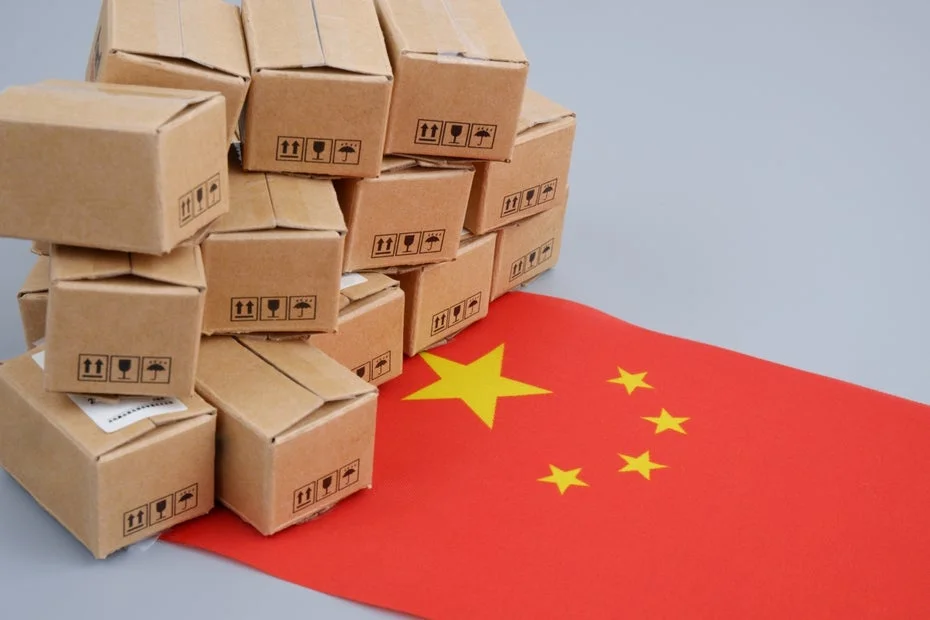
In a significant shift for online shoppers, new customs fees will apply to all small shipments valued under 150 euros that are imported from non-EU countries. This change is particularly impactful for customers purchasing from platforms like Temu, as it increases the overall cost of shopping, especially for those placing small orders or larger carts containing a variety of items.
The newly implemented customs fee of three euros is not a one-time charge per package. Instead, it is determined by the various customs tariff categories within a single order. For instance, if a customer orders a pair of pants, a cable, and a cosmetic product, they could face three separate charges, totaling nine euros.
However, identical items or those categorized under the same customs classification will be grouped together. For example, ordering five identical cables will incur only one fee of three euros, while a cart filled with five different inexpensive items can lead to significantly higher costs. Collaborating with others on orders can help mitigate these expenses.
Understanding Customs Charges
For consumers, recognizing these charges can be challenging, but they should be displayed during the ordering process. To avoid unexpected costs, it is essential to consider not just the low price of items but also the total price, which includes shipping, potential import duties, and any processing fees from the shipping service.
Typically, the customs fee is managed through the platform or the seller, and the total cost is presented to customers at the time of purchase. When orders are processed through the Import One-Stop-Shop procedure—common for small purchases on major e-commerce platforms—there should be no delays upon delivery, and the shipping service will not impose additional fees.
The responsibility for accurate declaration and payment primarily lies with the declarant, which could be the platform, the seller, or a customs representative. Consumers are only expected to act as declarants in exceptional cases, which can be technically complicated.
Tips to Minimize Costs
A practical tip for shoppers is to ensure that items are shipped from a warehouse located within Germany or the European Union. This often not only shortens delivery times but also indicates that the goods have already been imported into the EU and cleared by the seller—typically at more favorable rates than individual shipments.
On Temu, the shipping location is usually indicated directly on the product page, in the delivery information below the price, or at the checkout stage. Look for phrases such as “Shipping from Germany,” “local warehouse,” or “Shipping from the EU” to confirm that no further importation as a small shipment from a third country is necessary.
Shein makes this even simpler, marking items stored within the EU with “EU warehouse” on the product page and again before the order is finalized.
While this strategy does not completely eliminate customs costs—since the seller has already paid duties upon entry into the EU, which may be reflected in the sale price—it can result in lower overall expenses.
Beware of Mixed Orders
It’s important to note that consolidating multiple items into one order does not exempt customers from customs fees. Mixed orders, which are characteristic of platforms like Temu, can lead to additional costs, as each tariff category incurs a separate three-euro charge. Therefore, prioritizing items from EU warehouses is advisable.
In the future, it is less likely that platforms will split orders into multiple packages, a tactic previously used to keep the total value below certain thresholds to avoid customs formalities. Consequently, a diverse cart filled with various inexpensive products may quickly become expensive due to these new customs regulations.