Mastering Portraits: 8 Poses to Elevate Your Photography Game
Discover eight elegant poses that can elevate your selfies into stunning portraits with professional photography tips. Learn how to master lighting and angles for captivating images.
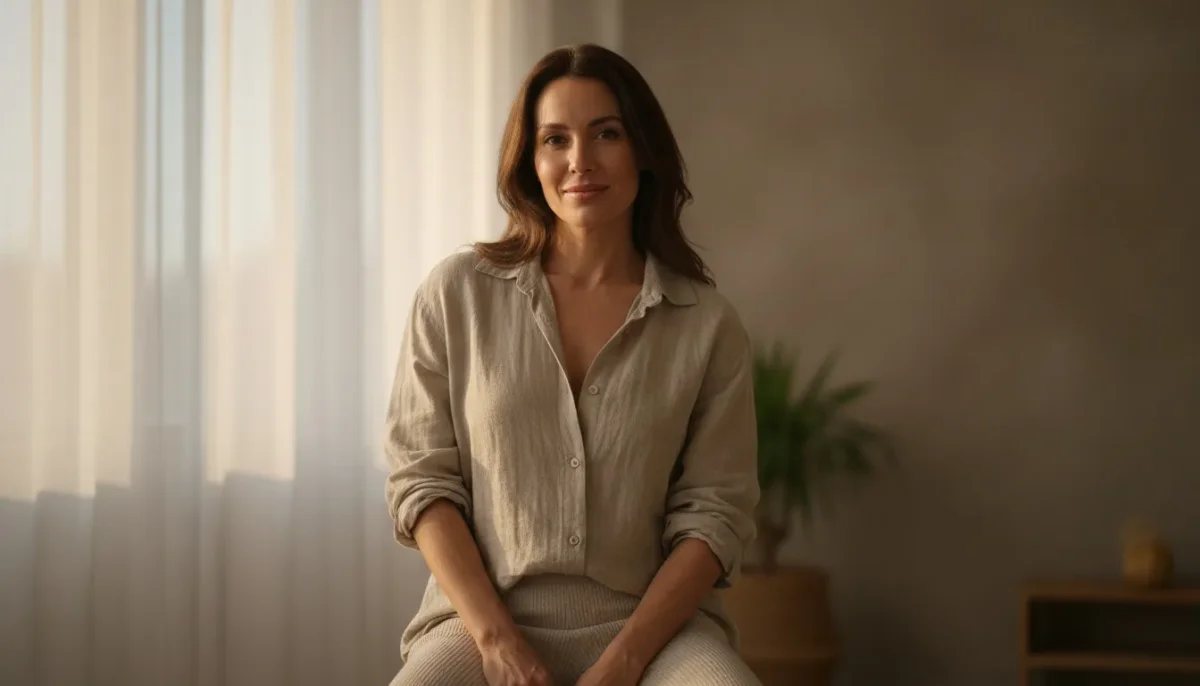
In today's world, your smartphone knows your best angles better than any camera ever could. It captures the way you tilt your head when you like a picture, and it also knows the precise angle that makes you hit 'delete' instantly. This familiarity is an advantage that many women underestimate when they first step in front of a camera.
The poses that work well for selfies can also shine in professional photography. You might already be familiar with them, but here are eight poses, along with insights into why they work and how a professional portrait can elevate your images beyond what a selfie can achieve.
Why Selfies Look Great — And Where They Fall Short
Creating a great selfie is no accident. You hold your phone slightly above eye level, let natural light from a window illuminate your face, and quickly snap a few shots, selecting the best one. This is the essence of photography: angle, light, and selection — and you already have the basics down.
However, the challenge arises when you desire more than just a decent profile picture. The extended arm limits you to the same distance, often resulting in slight distortions — a nose that appears too large, hands that seem too close, and a body that gets cropped out. Additionally, you can never fully forget about the camera because one hand is always holding it. This is where professional help can make a difference.
The 8 Poses — Transitioning from Selfie to Portrait
Consider these not as a checklist to tick off but as eight body positions you likely already know. Here’s how they transform when you let a professional camera and proper lighting take over.
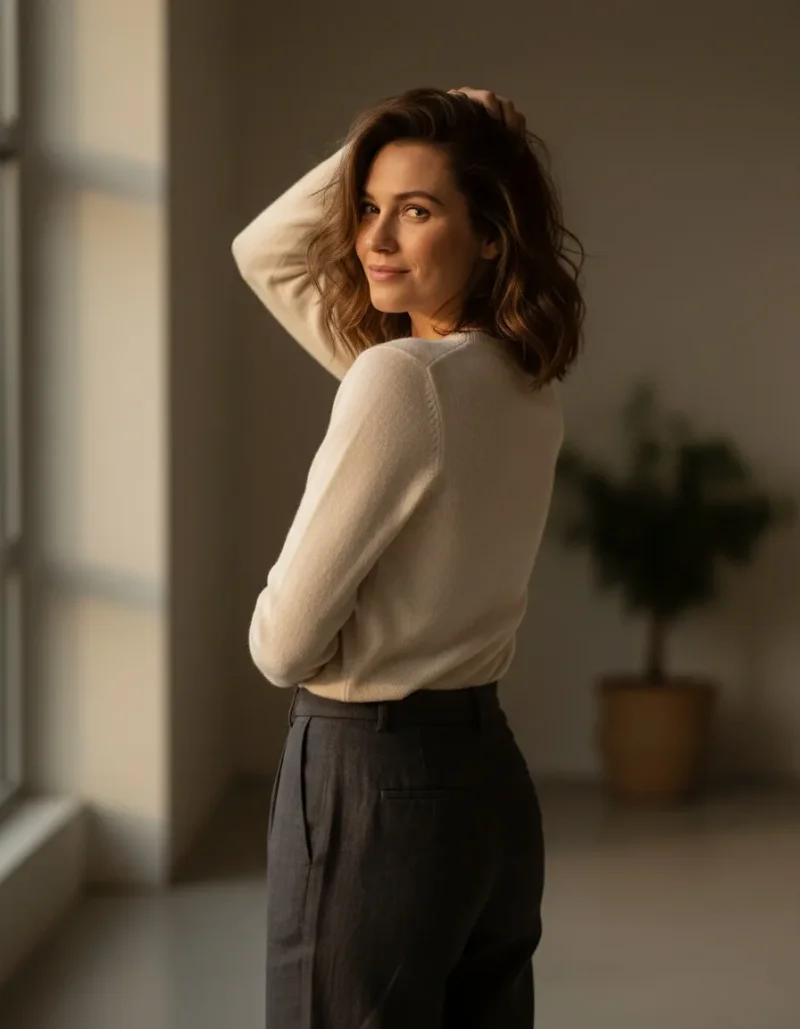
1. The Look Over Your Shoulder
This classic pose is a favorite for good reason. Turning slightly elongates the neck and highlights the shoulder line, creating an inviting yet mysterious vibe. You might do this intuitively in a selfie, but in front of the camera, I often encourage you to rotate a bit more than it feels comfortable. The angle that feels excessive often translates beautifully in the image.
2. The Window Light Portrait
Position yourself sideways to a window, allowing light to gently illuminate one side of your face while the other remains softly shadowed. No selfie trick is as effective as this. The difference in a professional shoot lies not in the pose but in how I manipulate that same light — adjusting distance, softening shadows, and using a wide aperture to blur the background. The same stance can yield a vastly different result in a different setting.
3. Hand in Hair
Women often struggle with what to do with their hands in selfies, leading to awkward poses. A hand casually running through your hair gives your arm purpose and frames your face nicely. Just remember: it’s about a gentle touch, not a tight grip. If you’re already adjusting your look, take a moment to consider what hairstyles and makeup truly hold up in front of the camera; light can be less forgiving than the bathroom mirror.
4. Sitting with One Knee Drawn Up
Whether on the floor, a bed, or a staircase, sitting with one knee drawn up creates lines and a sense of calm. This pose makes your body appear more compact, moving away from the stiff look often seen in selfies. Such a position allows a real camera to capture much more than your outstretched arm can.
5. The Downward Gaze
With your eyes lowered and chin slightly down, this pose can convey strength without direct eye contact. It requires a bit of bravery, as it often feels more vulnerable. In selfies, people rarely dare to try this because they want to ensure it looks right. In a professional setting, you can let your gaze drop, and I'll guide you to capture the perfect moment.
6. In Motion — Walking, Turning, Laughing
This is less of a pose and more of a natural action. A step forward, a gentle turn, or a genuine laugh at something silly I say can create an effortless image. Selfies tend to freeze you in place; movement alleviates the stiffness that often bothers women in their own photos. With the right shutter speed, I can capture that perfect moment where everything aligns.
7. Focus on Details Instead of the Whole Face
Not every powerful image needs to showcase your entire face. Close-ups of hands, a hint of shoulder, the drape of fabric, or jewelry on your skin can tell a compelling story. This approach is almost impossible in a selfie since you’re the one pressing the button. In a professional shoot, these intimate details often leave a lasting impression.
8. Directly Looking Into the Lens
Finally, the most challenging pose: simply looking into the lens. There’s no smile as a shield, no turned shoulder to hide behind — just you and the camera. In selfies, you typically look at the screen rather than the lens, making this direct gaze feel a bit raw at first. However, once you embrace it, you’ll create an image that resonates with authenticity.
What Sets Professional Photography Apart from Your Smartphone
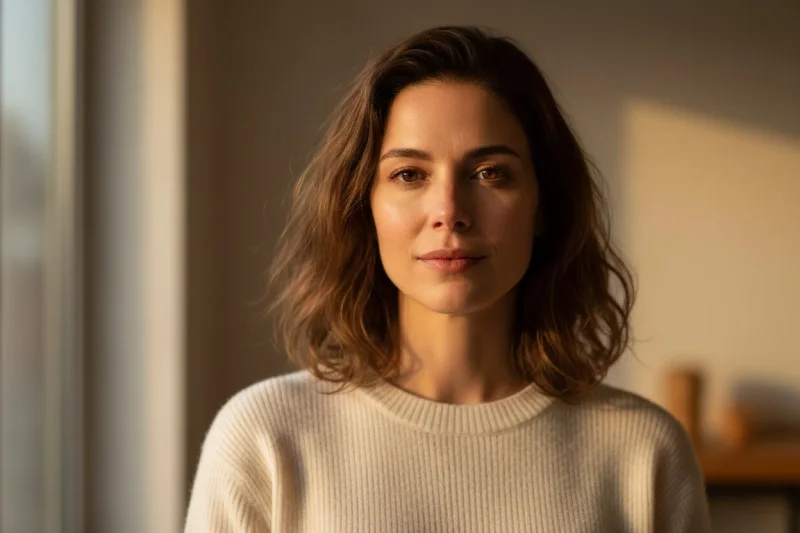
Three key aspects differentiate professional photography from smartphone selfies: Light: A smartphone captures existing light, while I can shape it — brightening shadows where your eyes might get lost or allowing some to remain for effect. Perspective: The arm's length of a selfie creates a consistent distance and slight distortion. A longer lens from a few feet away captures your face as it truly is — proportionate and calm. Guidance: This is the real difference. In selfies, you are both the photographer and the subject, needing to excel at both roles simultaneously. In a professional setting, you can relinquish one of those responsibilities. I’ve outlined seven techniques I use to alleviate tension and help you feel comfortable.
Do You Really Need to “Pose”?
No, and that’s not just a polite statement. The eight poses mentioned are not mandatory; they serve as starting points to help you feel prepared. Everything else will unfold organically. If you’re thinking, “I’m the most awkward person in front of a camera,” rest assured you are not alone; nearly everyone feels that way at first. I’ve written candidly about the common insecurity before a shoot, and it’s a normal feeling that often fades quicker than you’d expect.
From Selfie to Professional Shoot — Transforming Your Images
Start small. Choose one of the eight poses you feel least confident about and try it out by a window this week — just for yourself. Once you realize there’s more potential than your arm allows, it might be the right time for a proper shoot.
If you’re interested, we can plan that together. It doesn’t have to be a boudoir shoot; often, a simple portrait is the most honest starting point. For an overview of what to expect, I’ve created a comprehensive guide to photoshoots in Olching and Munich. If you’re still gathering ideas, my collection of over thirty shooting concepts by mood and location will surely inspire you. And if you prefer a structured approach, I’ve detailed how to plan a portrait shoot effectively.