
Revolutionary Nano-Coating Boosts Solar Panel Efficiency
An Indian research team has developed a self-cleaning nano-coating for solar panels, increasing energy output by 16% and reducing temperature by 12%.
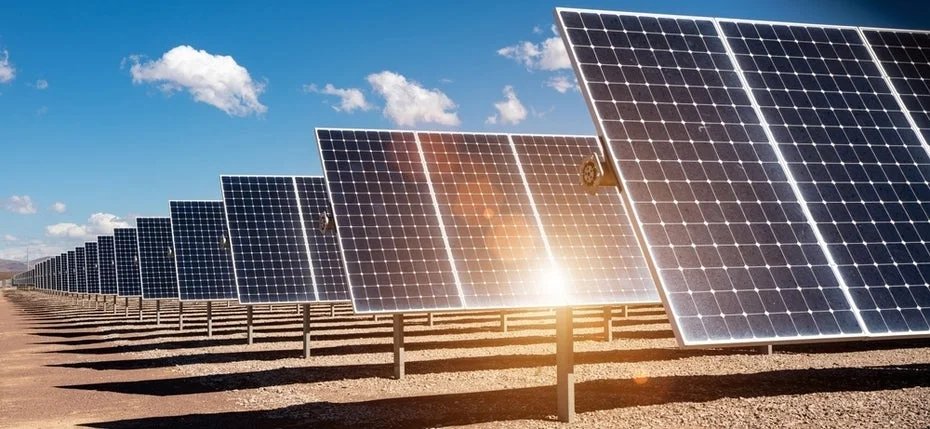
An innovative research team from India has developed a self-cleaning nano-coating that significantly enhances the energy output of solar panels. In tests, coated solar panels generated 16% more electricity compared to uncleaned modules, showcasing a promising advancement in solar technology.
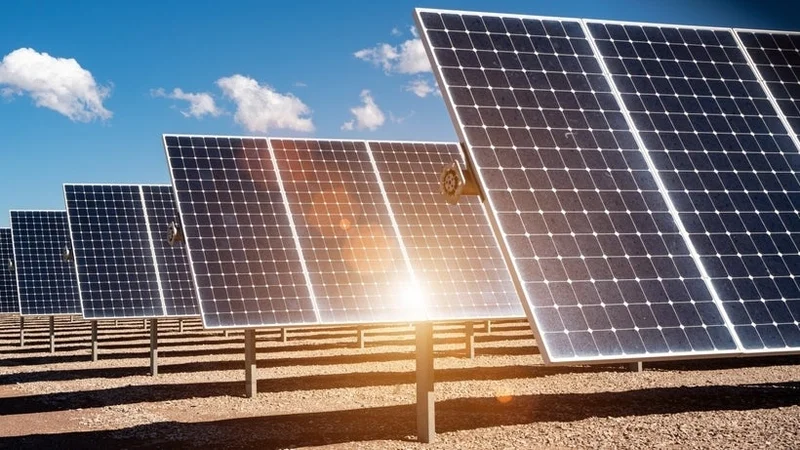
Researchers have long sought ways to improve solar energy yield, exploring various methods such as increasing the efficiency of solar cells and enabling them to generate power even during rainy conditions. The recent development by the Indian team focuses on a nano-coating that aims to elevate the energy output of solar modules.
Superhydrophobic Coating for Solar Panels
The coating in question is a superhydrophobic nano-composite, as reported by scinexx.de. Led by material scientist Ayyanar Chellaiah from the PSN Institute of Technology and Science, the research team created this coating by mixing silicon dioxide nanoparticles with ethanol. This mixture was then subjected to magnetic stirring and ultrasonic treatment before being combined with polydimethylsiloxane and a curing agent.
Following the preparation, the researchers sprayed the solution onto the glass surface of solar panels. The transparent coating was then cured at 80 degrees Celsius for two hours. The resulting lotus effect allows dust, sand, and other debris, along with water, to easily slide off the panels.
Six-Month Durability Test on Rooftop
To assess the effectiveness of the coating, the researchers installed three solar panels with identical ratings (165 watts) and efficiency (15.8%). One panel was coated, another was cleaned manually every day, and the third was left uncoated and uncleaned throughout the six-month test period.
The results, published in the journal Next Energy, revealed a clear trend. The nano-coated solar panel produced 16% more electricity than the uncoated and uncleaned panel, and even surpassed the daily cleaned panel by 7%. This finding surprised the researchers, as explained by Chellaiah.
Increased Output and Reduced Temperature
Additionally, the study indicated that the coating contributed to a 12% reduction in the temperature of the solar panels. This decrease in temperature not only accounts for part of the increased energy output but also suggests enhanced stability and longevity for the solar modules.