
SpaceX's Starship Test: Success Amid Challenges
SpaceX successfully launched its Starship rocket on July 24, 2026, despite challenges with engine failures and heat shield damage. The mission deployed 20 satellites but raised concerns about future reusability.
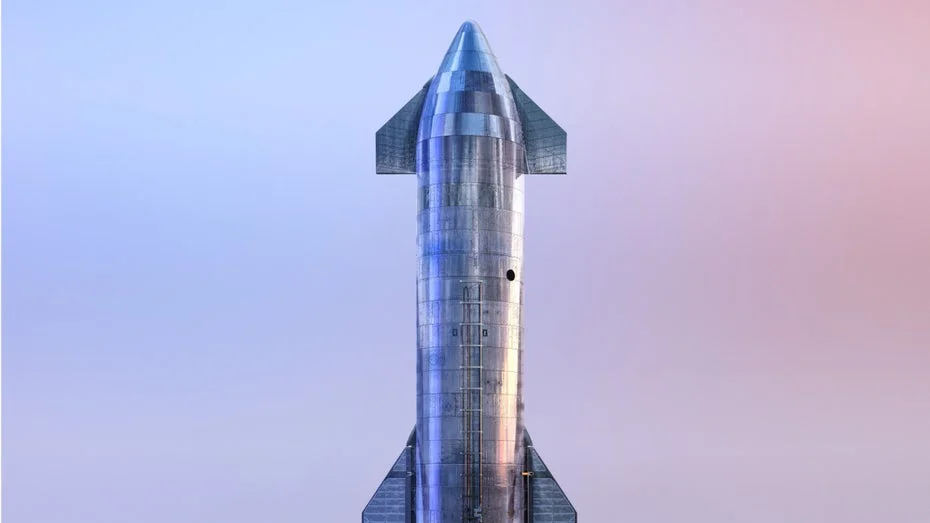
On the evening of July 24, 2026, SpaceX successfully launched its Starship rocket for the 13th time after two prior delays. Despite a bumpy landing, the mission was deemed a success, although issues with the heat shield remain a concern.
The initial launch attempt on July 17 was aborted due to multiple engine failures, and a second delay occurred on July 23 due to inclement weather conditions affecting the launch schedule.
Successful Deployment of Satellites
Finally, at 5:50 PM local time on July 24, the Starship rocket lifted off, powered by all 33 engines, and successfully deployed 20 Starlink satellites at an altitude of nearly 200 kilometers. According to SpaceX, engineers were able to establish radio and laser communications with the satellites and download telemetry data.
The landing also went better than the previous test flight in May 2026, which ended in an explosion upon water landing. This time, the Starship made a hard landing in the Gulf of Mexico off the Texas coast, but did not explode.
Landing Challenges
However, the landing was not without its difficulties. During the re-entry phase, several of the 13 engines intended for the landing maneuver failed to ignite. Despite this, SpaceX described the landing as "exciting," with SpaceX employee Dan Huot even calling it a "dream scenario."
Yet, according to reports from Golem, beyond the engine failures, a more significant issue could jeopardize SpaceX's long-term plans for Starship: the heat shield. The tiles on the heat shield showed visible damage after the water landing, particularly in the heavily stressed central section of the rocket.
Heat Shield Concerns
Such damage could hinder the quick reuse of the Starship. Theoretically, after landing, both the Starship and the Super Heavy booster would need to be taken to the "Mechazilla" catch tower for repairs, blocking the launch pad for several days. This is contrary to the design intent of the Starship concept, which was meant for rapid turnaround. SpaceX will need to devise strategies to minimize damage in future flights.
In addition to technical challenges, SpaceX's stock has also been under pressure. After debuting at an initial price of $135, the stock peaked at $225 but has since been in decline.
Stock Market Decline
On Friday, July 24, the SpaceX stock closed down another 2.7%, bringing its current value to $115. In after-hours trading, following the successful Starship launch, the stock dipped further below $114.