
Using Pasta Cooking Water as Fertilizer for Tomato Plants: Benefits and Risks
Pasta cooking water can be a useful supplement for tomato plants when used correctly. Learn the benefits and potential risks of using this kitchen byproduct as fertilizer.
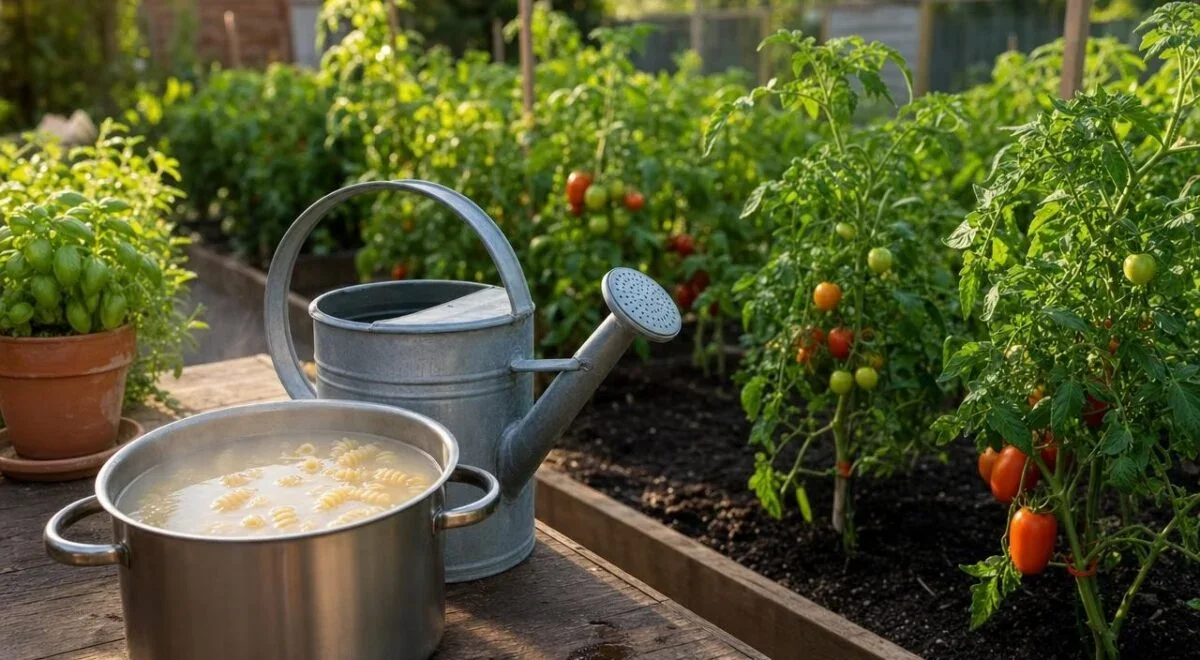
Cooking pasta often leads to the temptation of saving the starchy water as a fertilizer for tomato plants, touted as a magical solution. However, while it can provide some benefits, improper use can weaken or even kill the plants.
When pasta is boiled, the resulting water contains starch, along with a small amount of minerals. This composition can attract soil microorganisms, which indirectly benefits the plants. Yet, the effectiveness of this method largely depends on several factors, including salt content, frequency of application, timing in the growing season, and the condition of the soil.
What Pasta Cooking Water Really Offers Tomatoes
The water used for boiling pasta contains complex sugars, protein fragments, and essential minerals such as phosphorus, potassium, and calcium. Although the nutrient content is modest, it supports the microorganisms that help roots absorb essential nutrients. For nutrient-hungry plants, this water serves more as a supplementary boost than a complete fertilizer for tomatoes.
This effect is especially noticeable in pots or containers, where the soil can quickly become depleted with regular watering. Similar to tired hydrangeas, the issue often arises from a lack of nutrients rather than a lack of water. Unsalted pasta cooking water can complement compost, organic fertilizers, and mulch, but it should not replace them.
Risks of Relying Solely on Pasta Water as Fertilizer
One significant risk of using pasta water as the primary fertilizer is the volume of water applied. Consistently pouring it on can lead to overly saturated soil. A tomato plant in such conditions tends to produce excessive foliage while delaying fruit maturation, resulting in long periods of green, unripe tomatoes. Poor soil aeration can suffocate roots, making the plant more susceptible to diseases.
Additionally, the high starch content in this water serves as a food source for soil microbes. While small amounts are beneficial, excessive starch can promote opportunistic bacteria, mold, and swarms of gnats, particularly if the soil surface remains damp. This can lead to the development of a sticky crust, fermentation odors, and a less healthy environment for the roots.
How to Safely Use Pasta Cooking Water for Your Tomato Plants
Another critical consideration is the salt content. Salty cooking water introduces sodium, which can accumulate in the soil, draw moisture away from the roots, and ultimately burn the plant tissues, especially in pots. To safely use pasta cooking water, it is essential to cook the pasta without salt or oil, drain it, and allow the water to cool completely before applying it to the garden.
It's also advisable to use this water sparingly—perhaps every one to two weeks rather than daily. Monitor soil moisture and cease application if the soil remains wet for several days. As the tomato clusters begin to ripen, reducing water, including pasta water, can induce slight water stress, which helps the plant complete its growth cycle. For optimal yields, supplement with a potassium-rich fertilizer and apply approximately 10 centimeters of organic mulch around the base of the plants.