
Effective Tips for Managing Weeds in Your Garden
Discover effective methods for managing weeds in your garden, including manual weeding, mulching, and natural solutions to keep your garden healthy.
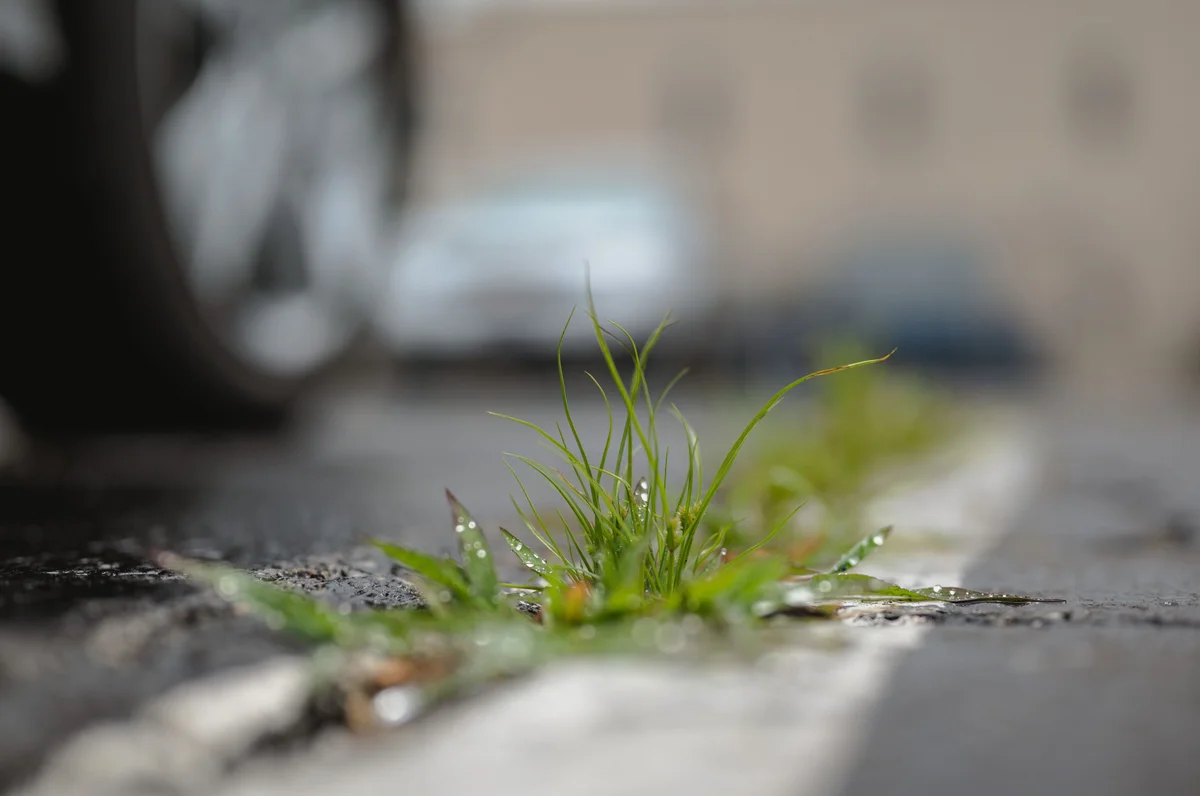
As spring arrives, many gardeners find themselves facing a familiar challenge: the resurgence of weeds. These unwanted plants can sprout between paving stones, in pathways, and even within garden beds, often despite hours spent pulling them up. This persistent problem can be frustrating, but understanding weeds and how to manage them can lead to a healthier garden.
Weeds are not just an aesthetic issue; they compete with cultivated plants for essential resources like water, nutrients, and sunlight. Certain invasive species can even hinder the growth of vegetables and weaken other plants. Traditionally, chemical herbicides have been the go-to solution, but growing environmental concerns have led many to seek more eco-friendly alternatives.
Fortunately, there are simple yet effective methods to control weeds and maintain a tidy garden without resorting to harsh chemicals.
Understanding Why Weeds Grow So Quickly
To effectively combat weeds, it's crucial to understand their growth patterns. Unlike cultivated plants, weeds are highly adapted to their environments. Their seeds can remain dormant in the soil for years, only germinating when conditions are favorable, such as with rain, warmth, and sunlight.
Some common weeds include:
- Dandelion
- Couch grass
- Bindweed
- Plantain
- Wild clover
These plants often have robust root systems that allow them to regrow quickly after being pulled. Additionally, wind, birds, and even footwear can introduce new seeds into gardens, meaning a pristine area can see new growth in just days.
Manual Weeding: A Simple Yet Effective Method
Manual weeding remains one of the most reliable techniques when done correctly. It's best to tackle weeds after rainfall or watering, as moist soil makes it easier to remove the entire root. Leaving even a small piece of root in the ground can allow certain species to regrow.
Useful tools for this method include:
- Weeding knife
- Hoes
- Cultivators
- Root gouges
While this method is time-consuming, it is particularly well-suited for small gardens and flower beds.
Mulching: The Secret Weapon Against Weeds
Many gardeners now view mulching as the most effective long-term solution. The principle is straightforward: covering the soil blocks the light needed for seed germination. Various materials can be used for mulching, including:
- Pine bark
- Wood chips
- Straw
- Dead leaves
- Hemp
- Flax
Mulching offers numerous benefits:
- Reduces weed growth
- Conserves moisture
- Limits the need for watering
- Protects soil from heat
When properly applied, mulch can significantly reduce the time spent on weeding.
Thermal Weeding: A Modern Solution
Thermal weeding is gaining popularity among homeowners. This technique involves exposing unwanted plants to high heat using a specialized device. Contrary to common belief, the goal is not to burn the plant entirely but to create a thermal shock that destroys its cells. This method is particularly effective in areas such as:
- Walkways
- Patios
- Borders
- Mineral surfaces
It also helps avoid the use of chemical products.
Popular Natural Solutions
Many recipes for natural weed removal circulate online, and some can be effective in specific situations.
Boiling Water
Hot cooking water can be poured directly onto unwanted herbs found between paving stones or in gravel. The heat quickly destroys the above-ground parts of the plant.
White Vinegar
Vinegar acts as a natural desiccant and can be used selectively on certain mineral surfaces. However, caution is advised to avoid applying it to desirable plants.
Baking Soda
Baking soda is sometimes used in patio joints to limit certain regrowth. These natural solutions should be used sparingly to maintain soil balance.
Common Mistakes That Encourage Weed Proliferation
Certain habits can inadvertently worsen the weed problem.
Allowing Plants to Go to Seed
A single plant can produce thousands of seeds, leading to rapid infestations.
Weeding Too Late
The larger the weeds grow, the more powerful their root systems become.
Leaving Soil Bare
Exposed soil is ideal for germination, making it crucial to cover it.
Excessively Tilling Soil
This practice can bring old seeds to the surface, leading to more weeds.
Strategies for Long-Term Prevention
The key to sustainable weed management is to combine various methods. Experienced gardeners typically follow three principles:
- Regular weeding.
- Covering soil with mulch.
- Dense planting.
Denser plantings naturally limit the space available for weeds. Decorative ground covers can also be an excellent solution in certain areas of the garden.
Are Weeds Always Bad?
Contrary to their negative reputation, some spontaneous plants offer benefits. For instance, dandelions attract pollinators, while clover enriches the soil with nitrogen. Some species even serve as indicators of soil quality. Therefore, the goal should not necessarily be to eliminate all spontaneous vegetation but to manage the most invasive species effectively.