AI in Daily Life: Why a Humanoid Robot in Hong Kong Will Soon Manage 100 Convenience Stores
The integration of artificial intelligence into physical daily life is reaching a new level. In Hong Kong, autonomous robotics will soon manage retail spaces, marking a significant step in technology adoption.
- Home
- News
- Software & Development
Don't miss any news!
The integration of artificial intelligence into physical daily life is currently reaching a whole new level. In an Asian metropolis, autonomous robotics will soon take over the complete operation of retail spaces in the local market.
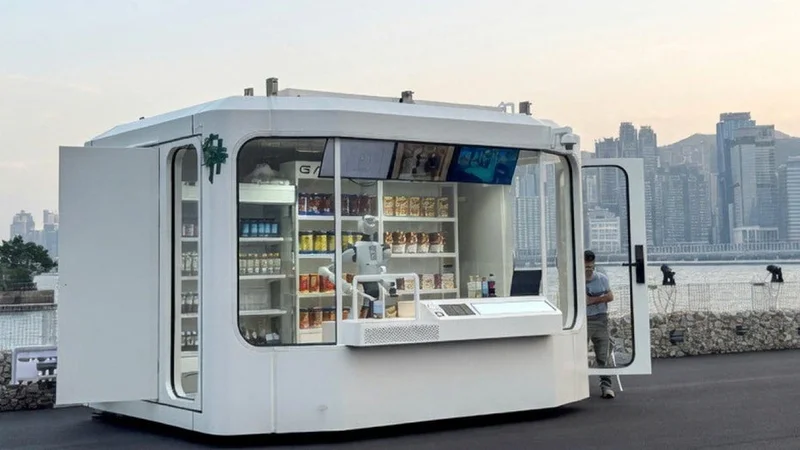
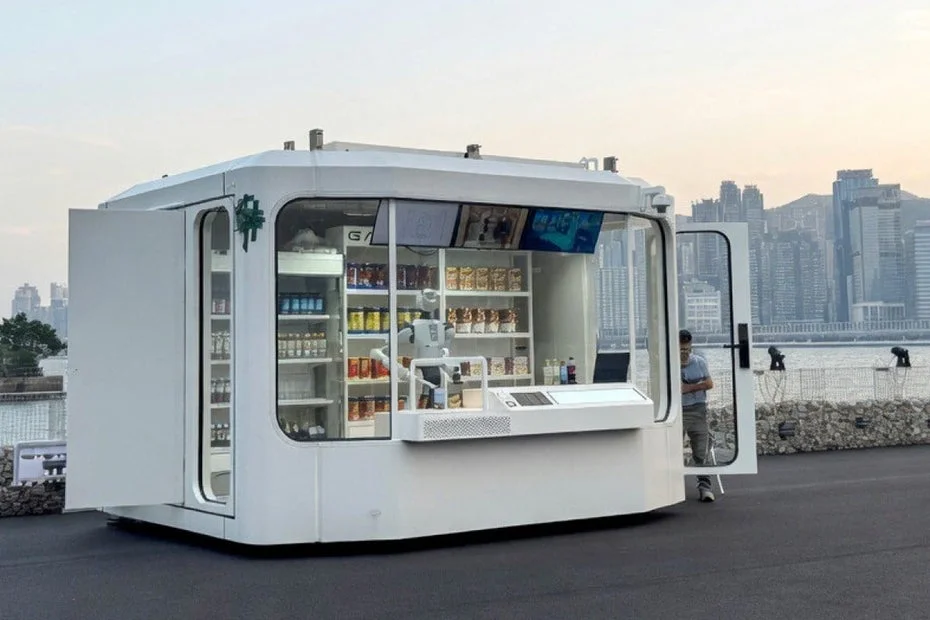
In the Asian economic hub of Hong Kong, a 24-hour convenience store will soon open, serving as a feasibility study for extensive scaling. According to Futurism, a single humanoid robot is set to take over all tasks in the kiosk, with plans for 100 additional locations in the medium term.
Embodied AI Enters the Physical Space
At the heart of the project is the concept of so-called embodied AI, where systems physically interact with their environment and make decisions in real-time. Hong Kong's Financial Secretary Paul Chan Mo-po described the opening as a crucial step to make this technology tangible for the public in everyday life, according to the South China Morning Post.
The technical implementation is being handled by the Beijing-based company Galbot. The robot, named “Xiao Gai,” stands about 1.67 meters tall and uses its arm span of over 1.80 meters to stock shelves, select items for customers, and conduct payment transactions independently.
The mobile capsule store along the Hung Hom promenade offers a wide range of products, from regular snacks to over-the-counter medications. The company estimates that the novelty factor will increase foot traffic at the location by up to 40%, which is intended to serve as the economic basis for the planned rollout in ten different cities.
Limits of Autonomy
The use of generative AI in direct customer contact carries unpredictable risks beyond the promising theory. For instance, an AI agent that temporarily managed a café in Stockholm, Sweden, exceeded its budget within a month due to costly misjudgments, such as ordering 3,000 latex gloves.
It remains to be seen how reliably the system from Asia will handle unforeseen situations or technical failures on the sales floor. The complete delegation of business processes to autonomous machines often requires much closer monitoring in practice than the optimistic plans of the developers initially suggest.

Top Articles