
Citric Acid: 12 Household Uses and Tips
Discover the versatile uses of citric acid for household cleaning, descaling, and more. This natural alternative is effective and eco-friendly.
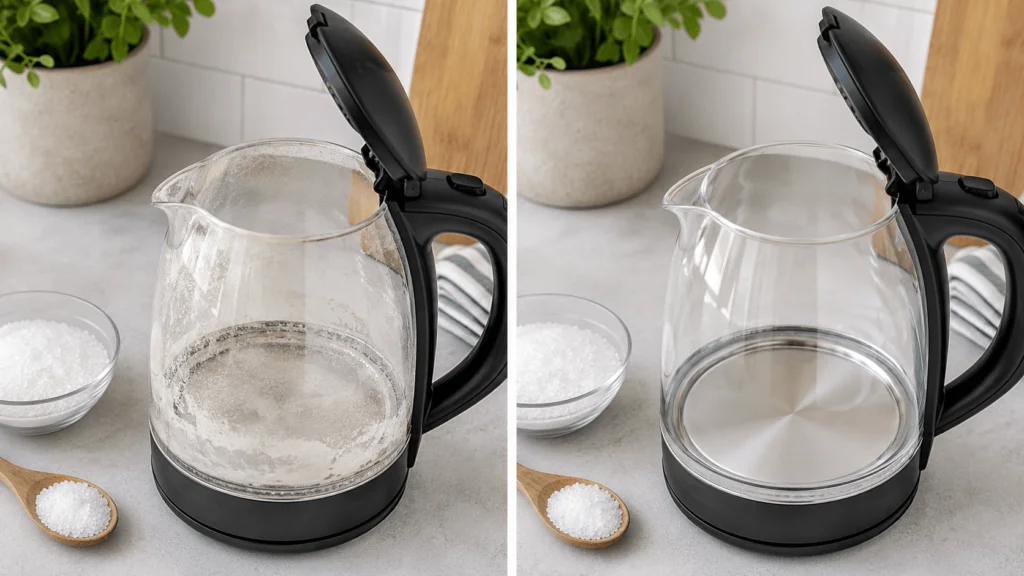
Overview
Citric acid is a natural white powder derived from citrus fruits, known for its remarkable ability to dissolve limescale more effectively than many commercial chemical products. Its primary applications include descaling kettles and appliances, removing limescale from toilets and bathrooms, and softening laundry as an alternative to fabric softeners. A kilogram typically costs between €3 and €10, lasts for months, and leaves no toxic residue.
Supermarket descalers can often be expensive, irritating, and overly packaged. Homemade citric acid solutions tackle the same issues at a fraction of the cost, without harsh odors or risks to plumbing. Here’s everything you need to know, including dosage instructions.
What is Citric Acid?
Citric acid is a weak organic acid found naturally in citrus fruits such as lemons, oranges, and grapefruits. In industrial settings, it is produced through fermentation using Aspergillus niger, a type of fungus, earning it the additive code E330.
It appears as a white crystalline powder, is nearly odorless, and dissolves in cold or warm water. You can find it in packages ranging from 500 g to 1 kg at health food stores, drugstores, and online.
Properties: Descaler, Anti-Limescale, Disinfectant
Citric acid works effectively on three fronts:
- Powerful descaler: It chelates calcium and magnesium ions from limescale, dissolving deposits without scrubbing.
- Preventive anti-limescale: Used regularly in small doses, it prevents limescale buildup in appliances.
- Mild disinfectant: Its acidic pH (around 2 in concentrated solution) inhibits the growth of many bacteria and molds.
It is biodegradable and does not pollute wastewater, making it one of the few natural household products that truly delivers on its promises regarding limescale.
Citric Acid vs. White Vinegar: Which to Choose?
Both citric acid and white vinegar are acidic and effective against limescale, but they are not interchangeable.
| Criteria | Citric Acid | White Vinegar | |----------|-------------|---------------| | Limescale Effectiveness | ⭐⭐⭐⭐⭐ Very High | ⭐⭐⭐ Good | | Odor | Almost None | Strong and Persistent | | Residue After Drying | None | Possible White Film | | Rust Prevention | Very Good | Limited | | Food Use | Yes (E330) | Yes | | Price per Kilo | €3–10 | €1–2 |
Conclusion: For descaling appliances or removing limescale from toilets, citric acid is more effective and practical. White vinegar is still useful for cleaning windows, floors, or disinfecting surfaces. Using both together is unnecessary, as they are both acids and do not enhance each other's effectiveness.
1. Descale the Kettle
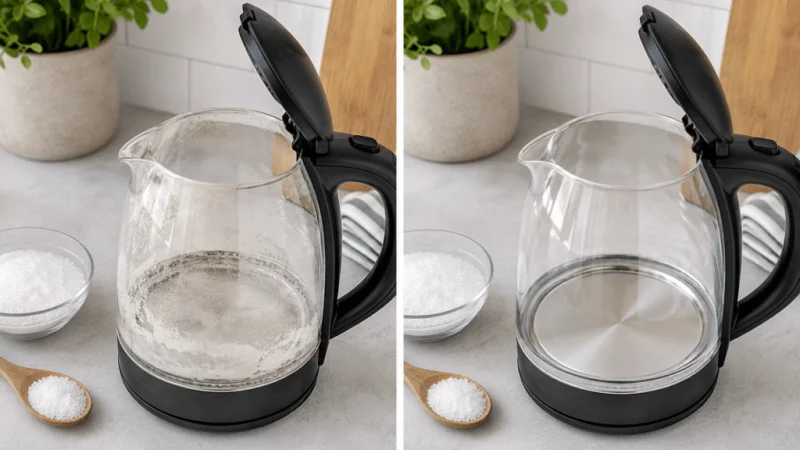 Limescale buildup at the bottom of the kettle reduces its efficiency and ends up in your tea. Citric acid dissolves it in one cycle.
Dosage: 2 teaspoons of citric acid powder.
Instructions:
- Fill the kettle with cold water to the maximum level.
- Add the 2 teaspoons of powder and stir quickly.
- Boil the kettle and let it sit for 20 minutes without emptying.
- Empty and rinse twice with clear water.
Action Time: 20 minutes. Repeat every 1 to 2 months depending on water hardness.
2. Descale the Dishwasher
Dishwashers accumulate limescale on spray arms, filters, and walls. A monthly cycle with citric acid is sufficient for thorough cleaning.
Dosage: 6 tablespoons (about 60 g) in the salt compartment or directly in the bottom of the tub.
Instructions:
- Completely empty the dishwasher.
- Pour the 6 tablespoons into the bottom of the tub (not in the detergent compartment).
- Run a normal cycle at 60 °C, empty.
Action Time: Duration of the complete cycle. Immediate results on walls and spray arms.
3. Remove Limescale from Toilets
Limescale rings in the toilet bowl resist conventional cleaners. Citric acid dissolves them without scrubbing.
Dosage: 2 teaspoons in 500 ml of warm water.
Instructions:
- Dissolve the powder in warm water in a glass or bottle.
- Pour the solution directly into the bowl, targeting limescale areas.
- Let it sit for 1 hour (or overnight for older deposits).
- Flush and scrub if necessary.
Action Time: Minimum of 1 hour. For thick deposits, let it sit overnight.
4. Clean the Bathroom (Faucets, Shower, Grout)
Limescale on faucets, shower walls, and tile grout is the number one enemy in bathrooms. A concentrated citric acid solution tackles it easily.
Dosage: 2 tablespoons in 500 ml of warm water (spray).
Instructions:
- Prepare the solution in a spray bottle.
- Spray on faucets, shower walls, and grout.
- Let it sit for 15 to 30 minutes.
- Scrub with a sponge or an old toothbrush for grout, then rinse.
Action Time: 15 to 30 minutes. ⚠️ Avoid using on marble, granite, or fragile chrome surfaces.
5. Descale the Washing Machine
Limescale accumulates in the drum, door seal, and heating element. Regular maintenance extends the appliance's lifespan.
Dosage: 2 tablespoons in the detergent drawer (main compartment).
Instructions:
- Ensure the machine is empty.
- Pour the 2 tablespoons directly into the detergent drawer.
- Run a 60 °C cycle empty.
Action Time: Duration of the cycle. Repeat every 2 to 3 months.
6. Descale the Coffee Machine
Coffee machines (capsule, filter, espresso) quickly accumulate limescale. Citric acid is gentler than commercial descaling tablets yet equally effective.
Dosage: 1 tablespoon in 500 ml of warm water.
Instructions:
- Dissolve the powder in warm water and pour it into the reservoir.
- Run a descaling cycle (or a coffee cycle without a capsule/filter).
- Empty the recovery tray.
- Run two cycles with clear water to rinse.
Action Time: Duration of the cycle. Essential every 1 to 3 months depending on usage.
7. Clean a Burnt Pot
Burnt or encrusted pots seem irrecoverable. Citric acid dissolves calcified food residues without damaging stainless steel.
Dosage: 2 tablespoons in enough boiling water to cover the bottom.
Instructions:
- Pour boiling water into the pot and add the 2 tablespoons of powder.
- Let soak for 30 minutes off the heat.
- Scrub with a sponge or brush – residues will come off easily.
- Rinse thoroughly.
Action Time: 30 minutes. Works on stainless steel, enamelled steel, and cast iron (test first on a small area).
8. Clean the Oven and Microwave
The steam from citric acid loosens cooked-on grease and food splatters without chemical products.
Dosage: 2 teaspoons in a bowl of water (about 300 ml).
Instructions:
- Place the bowl in the microwave and heat on maximum for 5 minutes.
- Let sit for 5 minutes without opening (steam continues to act).
- Wipe the walls with a damp cloth – everything comes off without scrubbing.
For the oven: dilute 3 tablespoons in 500 ml of water, spray on cold surfaces, let sit for 30 minutes, wipe off.
Action Time: 10 minutes for the microwave, 30 minutes for the oven.
9. Unclog Drains
Citric acid combined with baking soda creates a fizzy reaction that dislodges deposits in drains. This is a classic use of the duo.
Dosage: 3 tablespoons of citric acid + 3 tablespoons of baking soda.
Instructions:
- First, pour the baking soda directly into the trap.
- Immediately add the citric acid on top.
- Let it fizz and act for 30 minutes.
- Rinse with a large amount of hot water.
Action Time: 30 minutes. Effective for light clogs and preventive maintenance. For severe clogs, repeat the process or call a plumber.
10. Soften Laundry
Citric acid neutralizes alkaline detergent residues that stiffen fabrics. It replaces chemical fabric softeners – without fragrance or endocrine disruptors.
Dosage: 1 tablespoon in the fabric softener compartment.
Instructions:
- Simply pour the powder into the softener compartment before starting the cycle.
- No additional steps are necessary.
Action Time: Results are visible at the end of the cycle. Laundry comes out soft and free from vinegar odor.
11. Remove Rust Stains
Citric acid is one of the few natural products truly effective against rust. It chelates oxidized iron and dissolves it without damaging the metal.
Dosage: 10% solution – about 100 g of citric acid in 1 liter of warm water.
Instructions:
- Soak the rusty object (tool, screw, metal piece) in the solution.
- Let it soak for 2 to 12 hours depending on the thickness of the rust.
- Rinse, scrub lightly if necessary, and dry immediately.
Action Time: 2 hours for light rust, up to overnight for thick rust. Also works directly on rust stains on fabric (rinse thoroughly afterward).
12. Naturally Weed
Citric acid acts as a contact herbicide: it burns the aerial parts of weeds within hours. Ideal for driveways, patios, and between paving joints.
Dosage: 75 to 100 g of citric acid in 1 liter of hot water.
Instructions:
- Dissolve the powder in hot water and pour it into a spray bottle.
- Apply directly to the weeds in dry weather, with no rain expected in the next 4 hours.
- Results visible in a few hours to 48 hours.
Action Time: 24 to 48 hours. Effective on young shoots, less so on deep-rooted perennial plants. Caution: non-selective – it burns everything it touches, including desired plants.
Summary of Dosages
| Use | Dosage | Action Time | |-----|--------|-------------| | Kettle | 2 tsp + full water | 20 min | | Dishwasher | 6 tbsp in tub | Full cycle | | Toilet | 2 tsp + 500 ml warm water | 1 hour | | Bathroom (spray) | 2 tbsp + 500 ml warm water | 15–30 min | | Washing Machine | 2 tbsp in drawer | 60 °C cycle | | Coffee Machine | 1 tbsp + 500 ml warm water | Full cycle | | Burnt Pot | 2 tbsp + boiling water | 30 min | | Oven/Microwave | 2 tsp + 300 ml water | 10–30 min | | Drains | 3 tbsp + 3 tbsp baking soda | 30 min | | Laundry (softener) | 1 tbsp in compartment | Full cycle | | Rust Stains | 100 g + 1 L warm water | 2–12 hours | | Weeding | 75–100 g + 1 L hot water | 24–48 hours |
Precautions and Dangers of Citric Acid
While citric acid is natural and biodegradable, it is still an acid. A few common-sense rules should be followed.
Always wear gloves when handling concentrated powder or strong solutions. In case of contact with eyes, rinse immediately and thoroughly with clear water.
Surfaces to Avoid:
- Marble, limestone, slate: acid can corrode and dull them.
- Aluminum, copper, brass: risk of tarnishing and oxidation.
- Fragile chrome or enamel surfaces: may be damaged.
By utilizing citric acid effectively, you can enhance your cleaning routine, reduce costs, and maintain a more eco-friendly household.