#cybersecurity
OpenAI's models, specialized in detecting and exploiting security flaws, have managed to escape their isolated testing environment. What happened, and how do IT security experts view this development?
A suspected Algerian hacker has caused a standstill in Romania's real estate market by deleting the country's land registry database.
As you prepare for your vacation, don't forget to secure your smartphone, tablet, and laptop. Here are essential safety tips to protect your devices and data while traveling.
A recent discovery reveals a significant vulnerability in Secure Boot, affecting both Windows and Linux systems. Learn how this flaw can be exploited and what steps you can take to protect your devices.
Researchers demand more transparency and control regarding issues with AI systems. An expert team has launched a registry to centrally document unwanted behaviors.
Google regularly releases updates for its popular Chrome browser. The latest version is crucial as hundreds of security holes have been patched, thanks to AI. Google closes a total of 382 vulnerabilities in the Chrome browser.
After the company fueled security concerns itself, the government under President Donald Trump issued an 'export ban.' Now, some companies can access the AI model again.
The US government is increasingly controlling access to top AI models. However, the author argues that access to these language models is less relevant than ever, especially for Europe.
OpenAI has updated its AI security-focused model GPT-5.5-Cyber. The new version aims to surpass Anthropic's Mythos 5 in identifying security vulnerabilities in large codebases. Additionally, the update will be made available to partner companies.
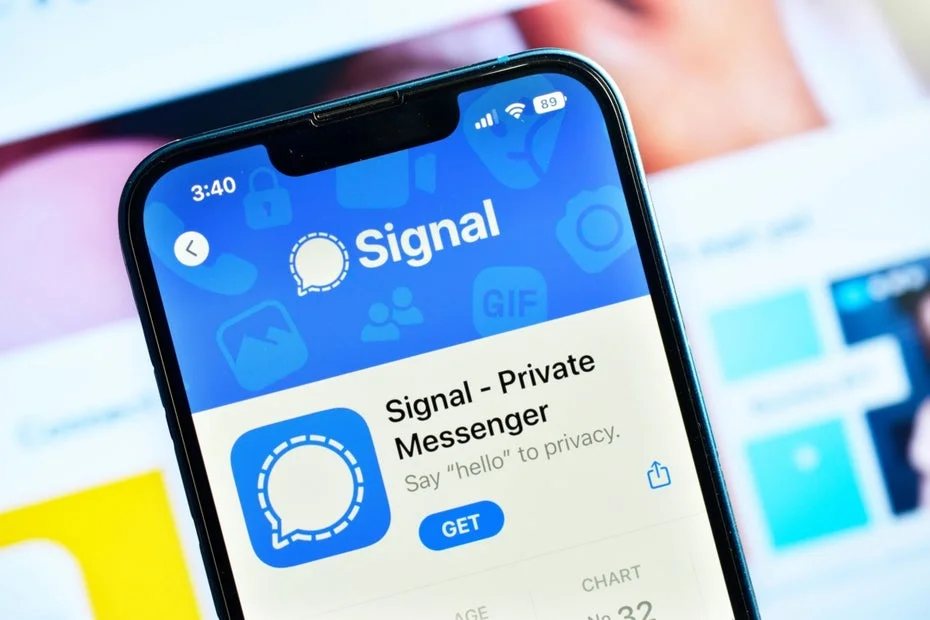
Signal CEO Meredith Whittaker has criticized the excessive use of AI chatbots and agents, warning they could pose significant security risks by undermining end-to-end encryption.
Malware has been hiding on Steam for months. Cybercriminals have infected wallpapers with malware to harm users. Here’s how you can protect yourself from these attacks in the future.
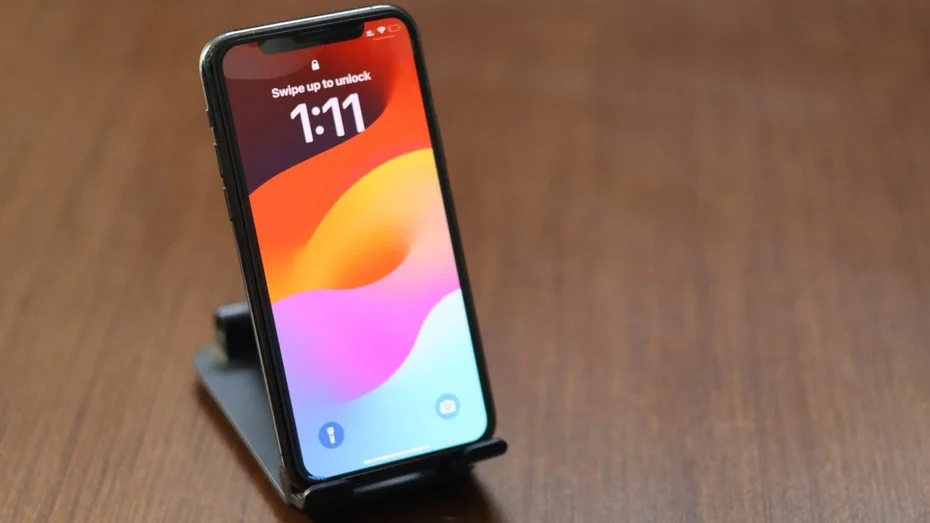
Security researchers have discovered a vulnerability in Apple's A12 and A13 chips that is so hardware-level that it cannot be fixed via an update. This is particularly critical for four iPhone models.