
The ISS's Planned Disposal: Environmental Concerns and Legal Gaps
Explore the planned disposal of the ISS and the environmental and legal implications of this significant space project.

In the next five years, the International Space Station (ISS) is set to be gradually decommissioned, with plans for its controlled entry into the Earth's atmosphere. However, some components of the ISS will not burn up upon re-entry; instead, they are slated to plunge into the ocean. This has raised alarm among environmentalists who are calling for alternative disposal strategies.
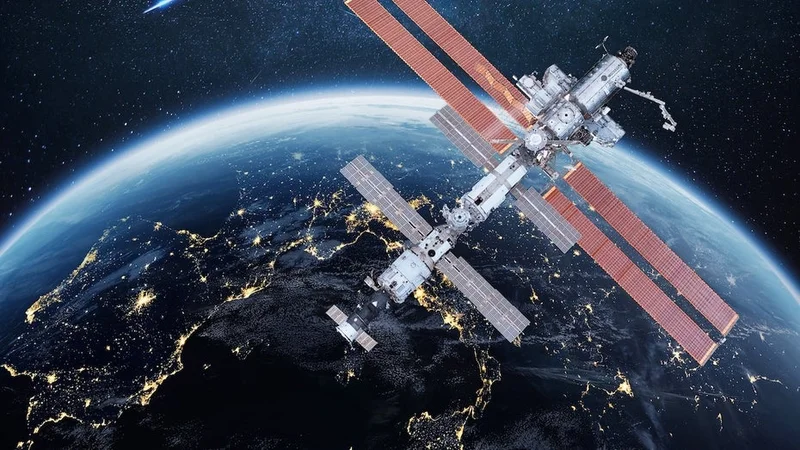
The decommissioning process is expected to begin in early 2028, culminating in late 2030 or early 2031, when a spacecraft provided by SpaceX will guide the ISS safely into the atmosphere. The primary goal is to ensure that any ISS components that survive re-entry do not land on populated areas, where they could cause significant damage. Instead, they are intended to land at Point Nemo, a remote area in the South Pacific known as a "spaceship graveyard" due to its isolation and unique conditions.
While the plan seems well thought out, environmental advocates like Mark Spalding, president of the Ocean Foundation, express serious concerns regarding the health of the oceans. Spalding pointed out to space.com that the space community has not adequately addressed these issues.
Legal Oversight in Oceanic Disposal
The planned descent of the ISS into the ocean highlights a troubling gap in international legislation regarding space debris. Currently, nations involved in space exploration must compensate other countries if space debris falls on their territory and causes damage. However, no such rules exist for incidents involving the ocean.
As a result, there is no legal obligation to cover costs related to potential cleanup efforts or environmental harm, as Spalding emphasizes. Although Point Nemo is far removed from human infrastructure, this should not be mistaken for a lack of value or vulnerability. The ocean and its ecosystems also deserve protection, according to Spalding.
The Largest Deorbit Project in Space History
Moreover, the ecological impact of the remaining debris from the ISS on marine ecosystems and bottom-dwelling organisms is largely unknown, as there have been no comprehensive studies conducted. The ISS itself is about the size of a football field, making this deorbit project the largest in the history of space exploration.
It is also essential to consider that with the growing number of satellite fleets being launched, particularly by companies like SpaceX, there will be a significant increase in space debris returning to Earth. From an ecological standpoint, the disposal of such debris should be integrated into the product and supply chain considerations.

This article was originally published on June 27, 2026, but continues to resonate with many readers, prompting this updated version to be made available again.