Transforming Mars: Can You Plan Better Than Elon Musk?
Explore the interactive game by Nature that challenges players to terraform Mars and learn about the scientific principles behind making the planet habitable.
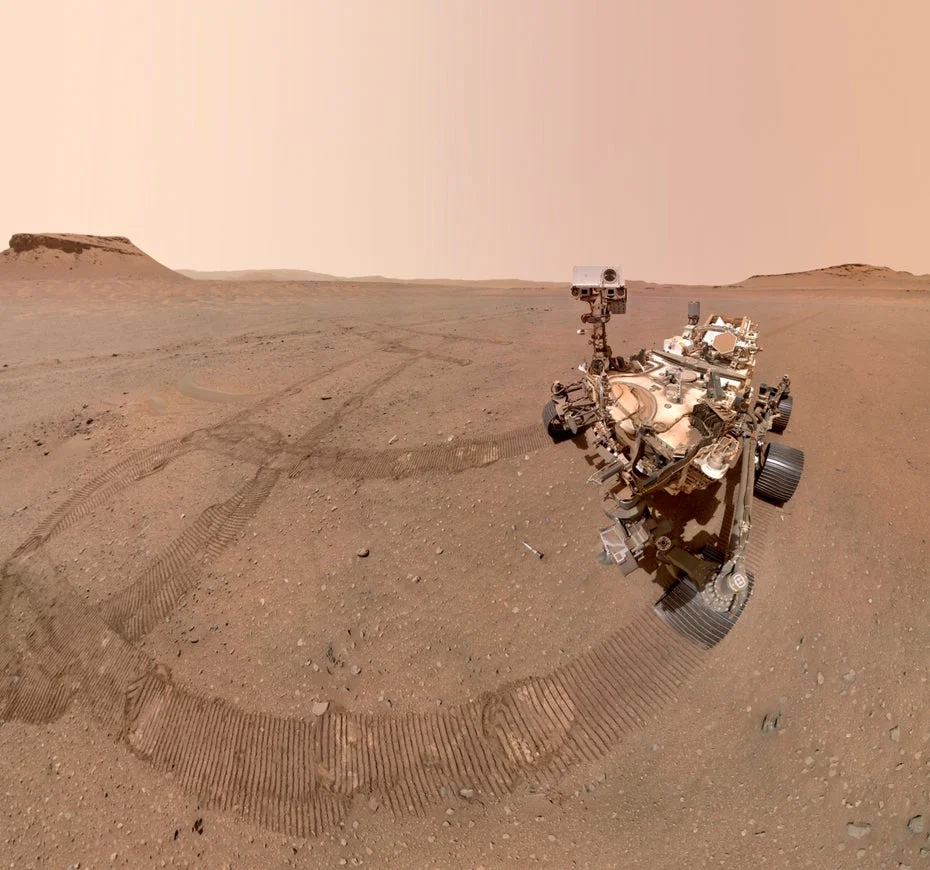
The renowned science journal Nature has created an engaging game that allows players to reimagine Mars for human habitation. This initiative is more than mere entertainment; it serves as a platform for exploring the complexities of terraforming the Red Planet.
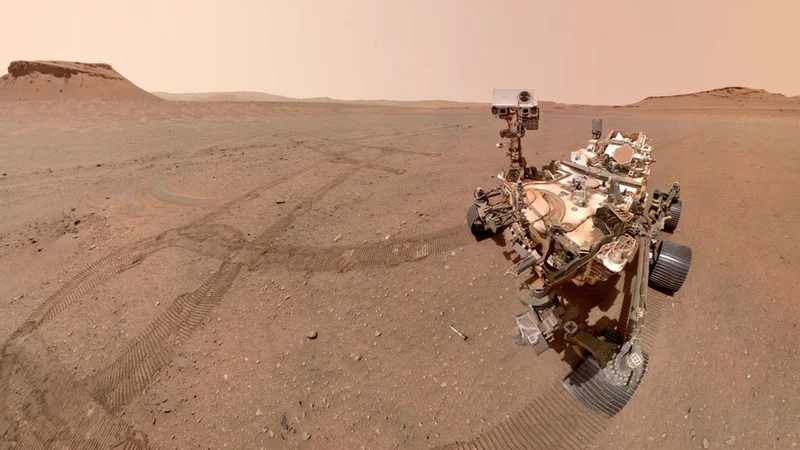
Achieving a breathable atmosphere on Mars using algae, for instance, is projected to take approximately 5,000 years. In my attempt at Nature's browser game, "Terraforming Mars," I scored 40 out of 50 points, indicating I must have made some sound decisions along the way.
Nature, which has been publishing since 1869, is known for its rigorous scientific standards. However, it often experiments with creative formats, including a science-fiction short story in each issue since 1999 that highlights current scientific advancements. The Mars game was developed in response to the increasing relevance of the idea of transforming Mars into a second Earth, prompting the editorial team to seek serious scientific insights.
The Concept of Terraforming Mars
The notion of making Mars a second Earth is a staple of science fiction. However, the planet's conditions are incredibly hostile: average temperatures hover around -65 degrees Celsius, the atmosphere is thin and offers little protection from radiation, and there is a complete absence of breathable oxygen and liquid water, along with toxic soil. Establishing settlements outside of enclosed habitats would require a complete transformation of the Martian environment. This concept, termed "terraforming," was popularized by U.S. author Jack Williamson in the 1940s.
Scientific discussions about the feasibility of terraforming Mars gained momentum in the 2020s, partly fueled by Elon Musk's controversial proposals. Musk suggested using nuclear bombs to melt ice at the Martian poles, releasing carbon dioxide to initiate a greenhouse effect. However, this idea was dismissed when astronomers calculated that there isn't enough CO₂ on Mars to support such an endeavor. Meanwhile, NASA and university research teams are exploring alternative methods for enabling Mars settlers to cultivate plants.
Learning Through Play
Nature's interactive browser game features multiple-choice questions that guide players through various aspects of terraforming. Initially, players tackle how to increase Mars' average temperature, followed by challenges related to water availability, atmospheric changes, and more. Each decision made in the game affects the simulation's outcome, including how long each initiative would take to succeed. Players earn points for their choices, and each option comes with links to further reading, allowing players to delve deeper into topics such as how synthetic biology could help enrich Mars' atmosphere with oxygen. For those looking to learn while having fun, this game offers a valuable opportunity to expand knowledge about planetary science.