
Essential Tips for Effectively Using Diatomaceous Earth Against Bed Bugs
Discover effective strategies for using diatomaceous earth against bed bugs, including essential preparation and safety tips.
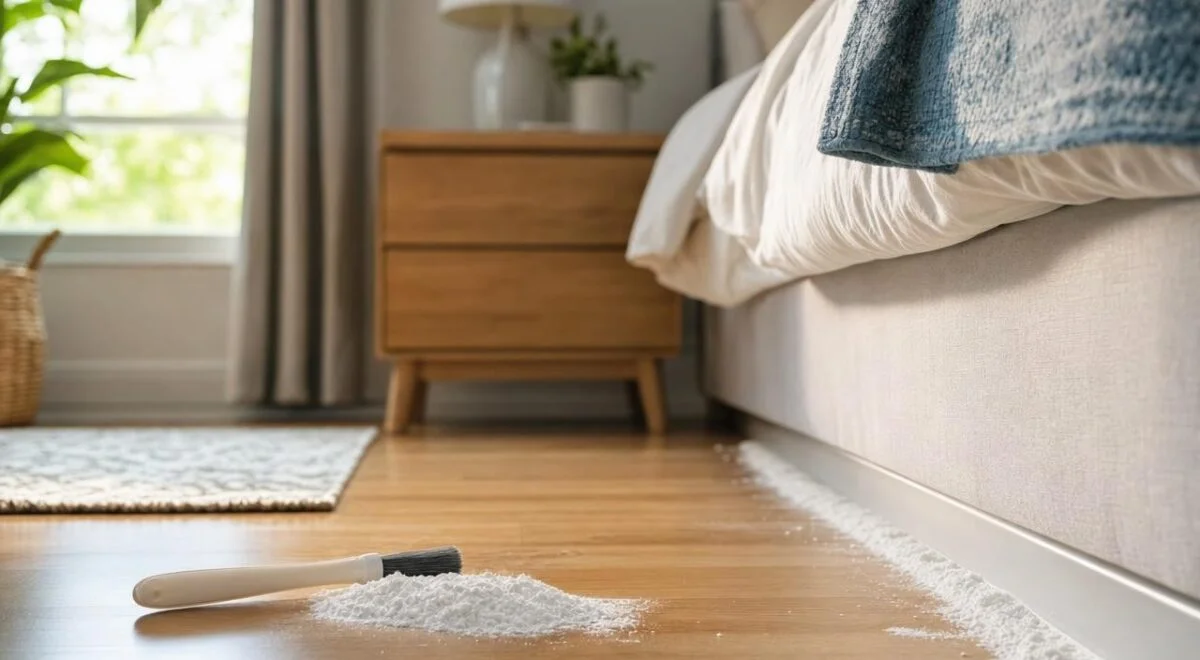
Returning from a vacation can be a mixed blessing, especially when you find red, itchy welts on your skin. These telltale signs may indicate the presence of bed bugs. After a lengthy trip, I discovered rows of small, red bumps on my arms, a clear indication of these unwelcome pests. In my exhaustion, I turned to diatomaceous earth, convinced it would provide the solution I needed.
However, the following nights revealed a troubling reality: the bites persisted, appearing in lines across my arms and back. Frustrated, I ran my finger over the line of powder I had applied, only to find it was gray and sticky. This discovery led me to understand why my diatomaceous earth was failing to deliver results.
The Limitations of Diatomaceous Earth in Bed Bug Control
On paper, diatomaceous earth seems like a brilliant solution. This powder consists of microscopic fossilized diatom shells, which have tiny sharp edges. When a bed bug traverses this powder, it scratches their greasy exoskeleton, causing them to dehydrate and ultimately die within one to two weeks in laboratory conditions.
The critical issue, however, is that this powder only works effectively when it remains completely dry. If the humidity in the room exceeds 50%, the particles become saturated with moisture and are unable to absorb the lipids from the bugs. In a warm, poorly ventilated room, this threshold is easily surpassed. My once-effective powder had turned into a harmless paste at the foot of my bed.
Overlooked Factors Allowing Bed Bugs to Persist
Another crucial aspect I had underestimated was the presence of bed bug eggs. These eggs are coated with a sticky and resilient shell that the powder cannot penetrate. A female bed bug can lay around 150 eggs during her lifetime. While I felt reassured by my white line of powder, the hidden eggs in my mattress continued to hatch undisturbed.
According to the Anses, about one in ten households in France has dealt with bed bugs, and studies explain why eradication efforts often fall short. In laboratory settings, diatomaceous earth can kill nearly 90% of insects within 7 to 17 days, but only if they maintain constant contact with the powder—a scenario that rarely occurs in real-life conditions.
Making Diatomaceous Earth Effective Against Bed Bugs
To maximize the effectiveness of this powder, I needed to start over. A thorough vacuuming of the mattress, bed frame, and baseboards was essential, followed by washing all bedding at 60°C and, if possible, drying it in a dryer. I then used steam on the seams before applying a very thin layer of diatomaceous earth on the legs of the bed, slats, baseboards, and cracks—never directly on the mattress.
The Anses warns that silica-based powders, including diatomaceous earth and silicon dioxide, can be "dangerous to breathe"; thus, it's advisable to use them in small amounts while wearing a mask and ensuring proper ventilation. Researchers from the CHU of Nice and the IHU Méditerranée Infection have also indicated that Sommières clay can kill between 75% to 100% of bed bugs within 24 hours. This alternative method serves as an additional tool in the broader strategy against bed bugs. If bites continue despite weeks of diligent treatment, it may be necessary to consider thermal treatments and professional pest control services.