New Digital Oversight by France Travail Could Impact Unemployment Benefits
Since June 25, 2026, France Travail can access your phone records and online activity to combat fraud. What does this mean for your unemployment benefits?
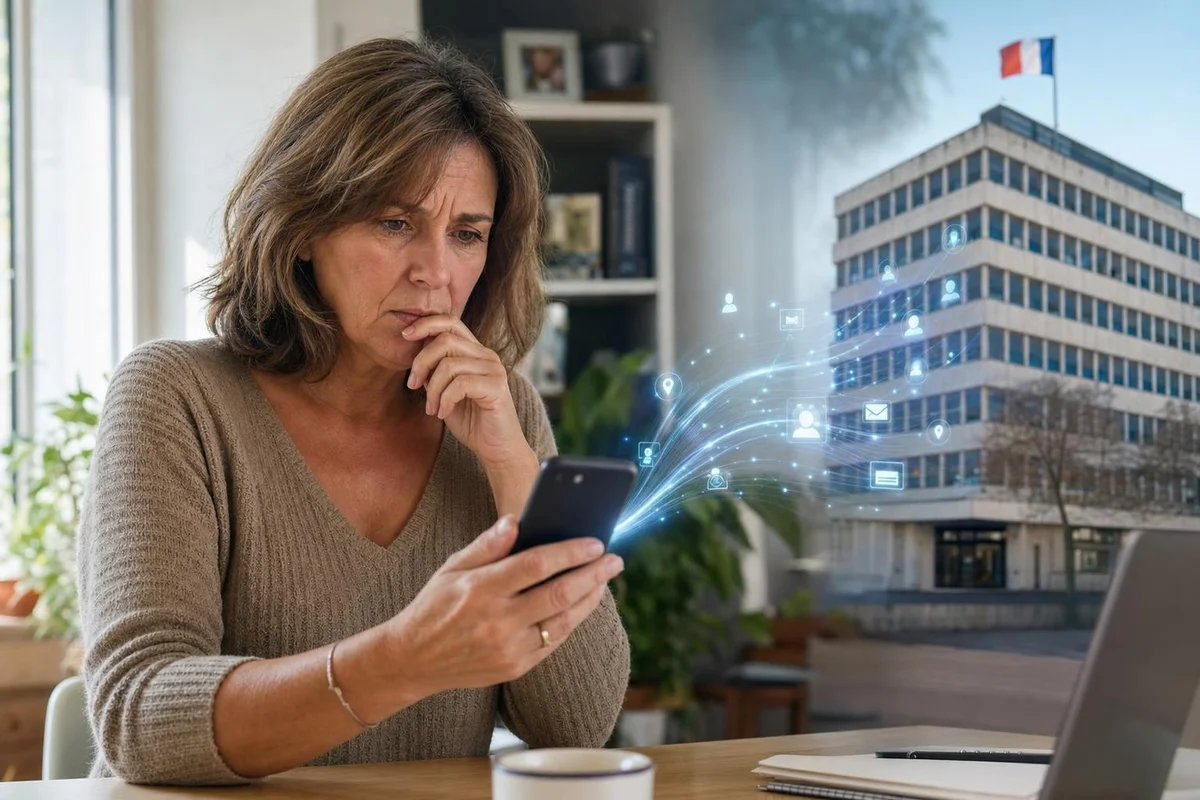
As of June 25, 2026, France Travail has gained the authority to examine phone records and online activity, raising concerns about privacy and the potential for losing unemployment benefits. This power comes under the newly enacted law n° 2026-534 aimed at combating social and fiscal fraud, which was approved by the Constitutional Council.
The law enables France Travail to utilize data from phone records and internet connections to verify the actual residence of unemployment benefit recipients and ensure that their benefits align with their current circumstances. This development has sparked anxiety among beneficiaries, intensifying the ongoing debate between the fight against fraud and the right to privacy.
The Digital Approach to Combatting Social Fraud
Social fraud is projected to cost approximately 14 billion euros in 2025, according to the High Council for the Financing of Social Protection. A significant portion of this fraud stems from undeclared work by businesses, while healthcare professionals contribute 1.5 billion euros. However, the government is primarily targeting social benefits, amidst what Minister of Labour Jean-Pierre Farandou describes as an "unbearable" and "unsustainable" budgetary context. In 2024 alone, 2 billion euros in fraud was detected, with 500 million euros avoided.
Farandou has committed to a "zero tolerance" policy, aiming to recover 1 billion euros this year, part of a longer-term goal of recovering 3 billion euros. The law mandates that job seekers maintain a bank account in their name, located in France or within the SEPA zone. France Travail can suspend benefits for a maximum of three months if there are serious indications of fraudulent activity, without depriving the household of necessary resources. Beneficiaries can contest this suspension within two weeks.
Scope of France Travail's Data Access
A notable aspect of the new law is the use of digital traces left by devices. France Travail is permitted to obtain specific technical records from telecom operators to verify residency in France. If an individual’s records show connections primarily from abroad, their case may be flagged as suspicious, potentially jeopardizing their benefits. Authorized agents will also have access to the registry of French citizens living abroad to cross-reference information.
Additionally, Article L5312-16 of the Labour Code regulates the handling of connection data already within France Travail’s information system. This includes login dates and times, IP addresses, and types of devices used. Only specialized, sworn agents can access this data, and only for the purpose of investigating or determining deliberate non-compliance, all while adhering to data protection regulations.
Privacy Protections and Limitations
The Constitutional Council acknowledged in its June 2026 ruling that these measures do infringe upon privacy but deemed them acceptable for the purpose of fraud prevention, provided they are strictly limited. Importantly, the data reviewed does not include the content of calls, SMS, or emails, nor does it reveal contact lists, real-time geolocation, or a complete history of visited websites. However, certain metadata may allow for device identification or approximate location tracking, but can only be utilized when there are substantial fraud indicators.
The National Commission on Informatics and Liberty (CNIL) remains vigilant. In January 2026, it imposed a 5 million euro fine on France Travail following a massive data leak affecting millions of profiles over two decades, underscoring the serious repercussions of data mishandling. A decree from the Council of State is expected to clarify the duration of data retention and deletion procedures, and beneficiaries will have the right to challenge any oversight in administrative courts or report potential abuses to the CNIL.