
This Jacket Extracts Water from the Air: Who is the Invention For?
Researchers in Texas have designed an innovative jacket that can absorb water from the air. Initial tests have already shown that the technology has the potential for further accessories beyond jackets.
- Home
- News
- Future & Science
Don't miss any news!
Researchers in Texas have designed an innovative jacket that can absorb water from the air. Initial tests have already shown that the technology has the potential for further accessories beyond jackets.
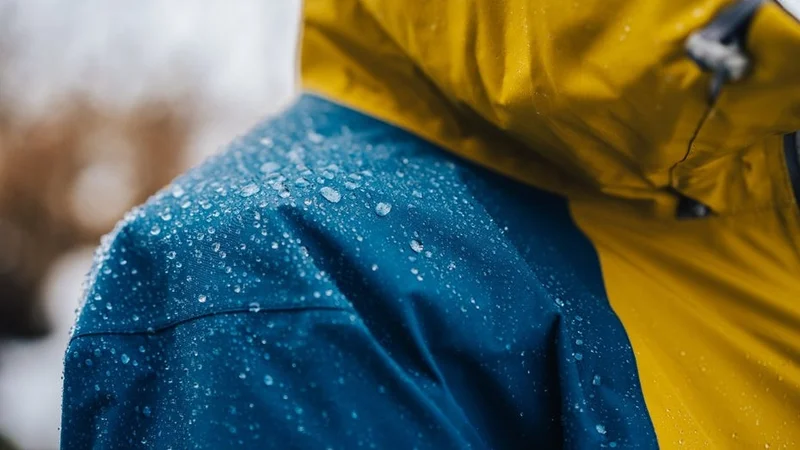
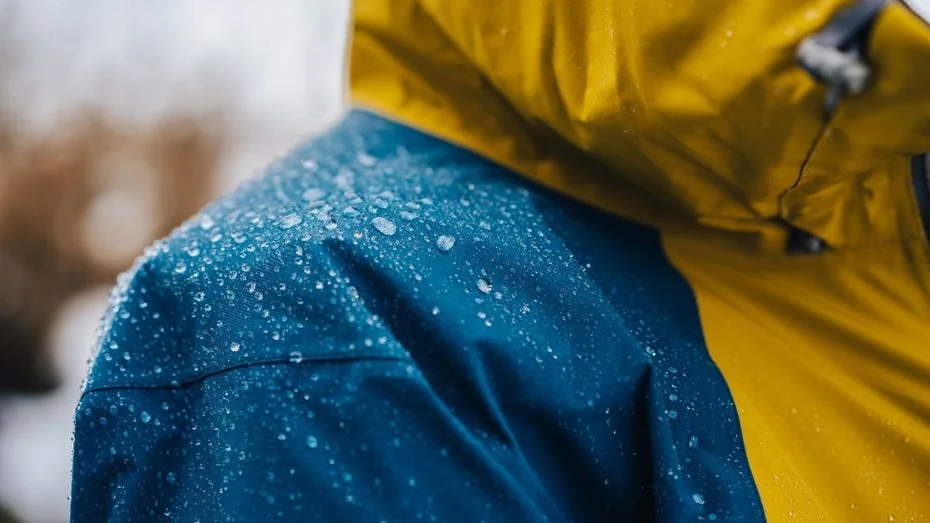
The idea of extracting water directly from the air is not new. Chemistry Nobel Laureate Omar Yaghi has already harvested water from desert air. However, the invention by researchers at the University of Texas at Austin has a unique twist: instead of relying on bulky devices that extract water from the air and make it drinkable, they have combined the necessary materials and techniques into a wearable jacket.
A Jacket for Many Occasions
Guihua Yu, one of the project leaders, stated in a university press release: “Water harvesting from the air is usually associated with stationary devices like a box, a panel, or a large sorption surface. We wanted to rethink this form of technology. If the fabric itself can collect water from the air, it opens up a completely new direction for personal, portable water access.”
Special textiles that can absorb water from the air are placed in collectors and attached to the jacket. After collection, they can be removed and heated to release the stored water. Depending on the humidity in the air, the jacket can collect about 400 to 900 milliliters of drinking water per day.
Keith Johnston, co-author of the study, adds: “The important advancement is that the team did not simply create a new material that can absorb water. They have created a way for the water to quickly move from vapor in the air to liquid on the surface of the jacket and then into the textile. This transport design ensures that the material works not only in small lab tests but can be transformed into a wearable system.”
According to the researchers, the jacket could be suitable for many individuals who have limited access to drinking water. This includes “hobby hikers, campers, and runners to agricultural workers, first responders, and soldiers.” The textile could also be utilized in other clothing or accessories. The researchers plan to experiment with backpacks, tents, emergency shelters, and outdoor equipment in the future.