Transform Your Garden with This Bathroom Accessory to Combat Weeds
Discover how to repurpose an old shower curtain as an effective weed barrier in your garden, offering a sustainable alternative to traditional mulch.
For amateur gardeners looking to manage weeds without chemical herbicides, an innovative alternative to traditional mulch may be hiding in your bathroom. Rather than purchasing new landscape fabric, consider repurposing an old shower curtain.
Often, we instinctively discard a worn shower curtain, especially one that has become discolored from soap scum. However, this seemingly useless item could serve as an effective barrier against weeds, saving you money and reducing waste.
The gardening landscape has shifted significantly since the ban on glyphosate-based herbicides. According to agronomist and landscape designer Pierrick Basset, many gardeners find themselves struggling with unwanted vegetation. He emphasizes a crucial point: "nature abhors a vacuum"; as soon as soil is left bare, weeds will inevitably take root.
The Drawbacks of Traditional Plastic Mulch
Conventional landscape fabric is typically made from polypropylene, a durable plastic that is laid over soil to block sunlight. This solution appears beneficial: it reduces weed growth and minimizes watering needs. However, in practice, the plastic can tear and degrade, releasing microfragments into the soil.
Over time, this fabric creates a nearly continuous barrier that hinders water and air penetration, leading to soil compaction and a decline in soil life. Earthworms become scarce, and slugs find a perfect hiding spot beneath the fabric. Despite these issues, weeds often reemerge around the edges, in planting holes, or within gravel layers above.
Converting a Shower Curtain into a Weed Barrier
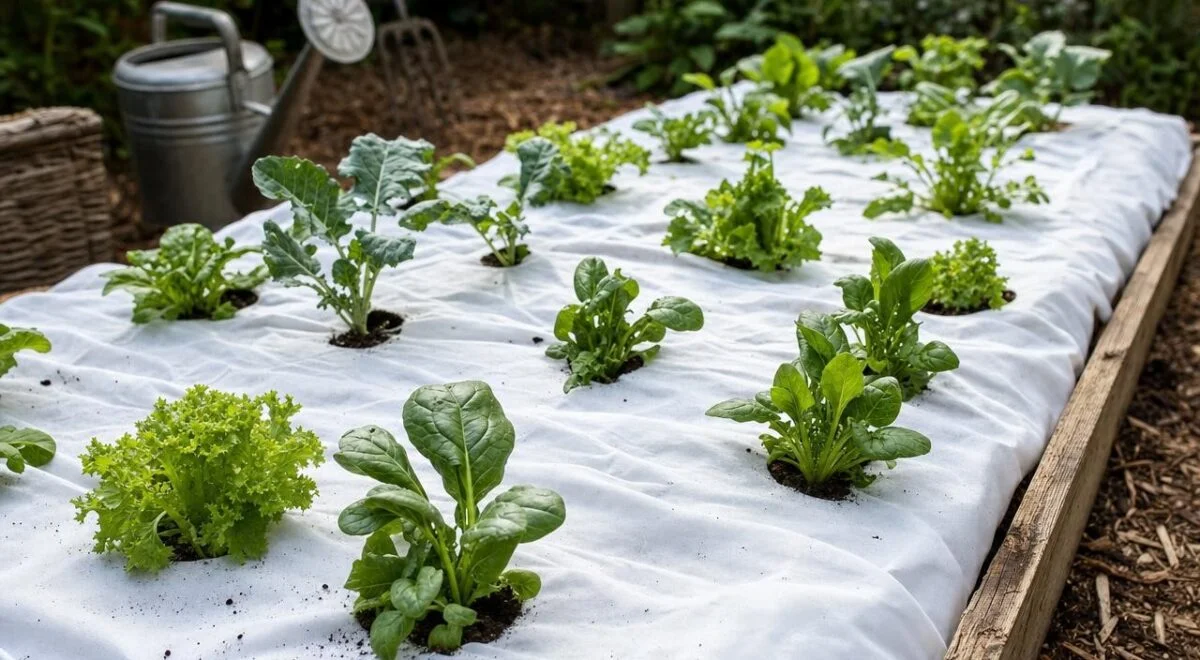
Before tossing out your old shower curtain, check its label. If it’s made from cotton, linen, or untreated polyester, it can act as a lightweight geotextile, allowing water and air to pass through while blocking sunlight. In contrast, plastic liners like PEVA or PVC are waterproof and can cover an area for a few weeks but should not be used long-term in living soil, especially if they start to deteriorate.
Once you’ve selected the right material, clear the area of weeds, rake the soil, and then lay the shower curtain flat. Cut cross slits for existing or future plants. To keep it in place and conceal it, cover the curtain with a layer of shredded branches, bark, or gravel. After installation, monitor drainage: if water pools or the soil remains soggy, consider making more holes or opting for a more breathable fabric. When placed in direct sunlight, a plastic curtain can also function as a tarp to "cook" a patch of grass before establishing a new flower bed.
Other Recycled Alternatives to Landscape Fabric
If a shower curtain isn’t available or doesn’t appeal to you, several everyday materials can serve as effective alternatives to landscape fabric. Unprinted cardboard, old cotton sheets or tablecloths, and burlap sacks from potatoes can all suppress unwanted weeds when laid over damp soil.
Additionally, green waste such as shredded prunings, fallen leaves, and dry grass clippings can create a nourishing layer on top. However, Basset warns against using homemade remedies like vinegar, bleach, or salt, as they are too harmful to the environment.