Strawberry Moon, Wolf Moon, Supermoon: Which Lunar Phenomena Occur Every Year – and Which Do Not
Strawberry Moon, Blue Moon, or Supermoon: There are numerous lunar phenomena that occur throughout the year. Which ones have a visual impact on the moon and which ones are merely based on timing.
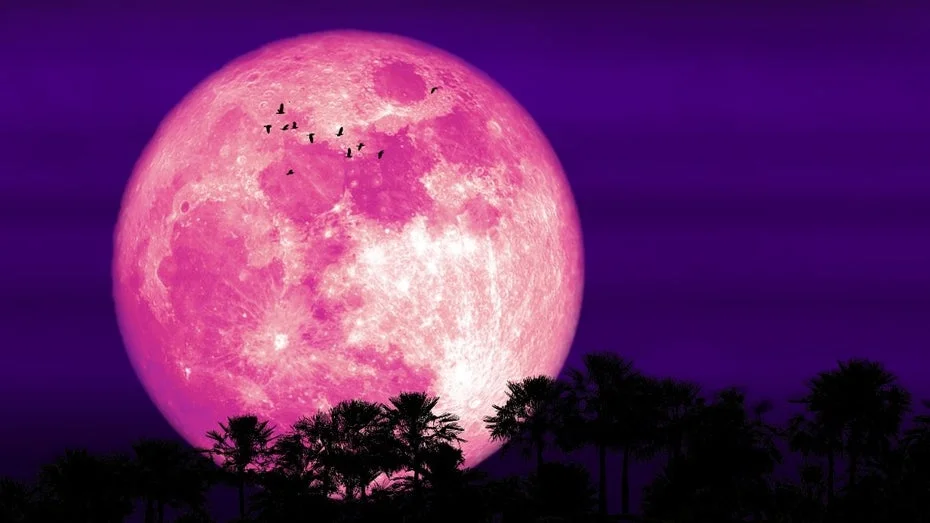
The moon fascinates many people even in its normal state. However, it becomes particularly captivating when special astronomical events are approaching. For instance, the Strawberry Moon will be visible on June 30, 2026. At this time, the moon may appear slightly reddish. Yet, many names have no connection to the color of the lunar body.
Supermoon
When a supermoon occurs, the moon appears particularly large and bright in the night sky. As Space reported during the supermoon in 2019, its size can increase by about 14 percent, and its brightness can rise by approximately 30 percent. Of course, the moon does not suddenly become larger and brighter; it retains the same size.
The impression that the moon gives is due to its proximity to Earth at these times. It comes as close as about 360,000 kilometers to Earth, whereas the average distance is 384,000 kilometers. In 2026, this will happen on just one day. The next supermoon is predicted for Christmas Eve, December 24.
Minimoon
During a minimoon, the opposite occurs compared to a supermoon. The moon is farthest from us, appearing smaller and darker. At this time, the moon is about 405,000 kilometers away from Earth, making it appear six to seven percent smaller than a normal full moon. Minimoon and supermoon can occur in combination with other lunar events, such as a mini-strawberry moon.
Blood Moon
A blood moon occurs when a full moon coincides with a total lunar eclipse. As with other phenomena that cause a reddish hue to the moon, the Earth's atmospheric layers cause sunlight to be refracted, weakening the blue components of the light. The longer-wavelength red components remain. In Germany, the next blood moon will be visible on December 31, 2028.
Blue Moon
The blue moon is not named for its color. Instead, it refers to the second full moon visible in the same month. As a summary from Jgiesen.de shows, a blue moon occurs on average every 2.72 years. Whether a second full moon occurs also depends on the time zone and the daylight saving time at the specific location on Earth.
Black Moon
The black moon is an exceptional phenomenon on this list. It is not a full moon but a new moon. If there are two new moons in a month, it is referred to as a black moon. The same applies if there is a fourth new moon within an astronomical season (normally three). The third case for a black moon occurs much less frequently, specifically when there is neither a full nor a new moon in a month. This can only happen in February. The next black moon will occur on August 31, 2027, marking the second new moon in a month.
Wolf Moon
The wolf moon is the first full moon of the year. There are no visible changes compared to a normal full moon. The name comes from the howling of wolves that can be heard at night. As the animals become more active at the beginning of the year, this name was chosen by indigenous peoples for the moon. Other names include "Stay Home Moon" or "Quiet Moon." The next wolf moon will occur on January 22, 2027.
Snow Moon
The snow moon is the full moon in February and is named after the snowfall during this month. As reported by Time and Date, some indigenous peoples also use the name "Hungry Moon" because food is scarce during this season. "Bear Moon" is another name that refers to bear cubs, which are usually born in spring. The next snow moon will be visible on February 21, 2027.
Worm Moon
In March, the full moon is called the "worm moon," named after the worms that emerge from the ground once it is no longer frozen. Other common names for this type of full moon are "Spring Moon" or "Crow Moon" (for the returning birds). The next worm moon will occur on March 22, 2027.
Pink Moon and Flower Moon
In April, the full moon is also referred to as the "pink moon." However, the moon does not actually change color at this time. The name refers to the Phlox subulata, a pink wildflower that blooms in April as one of the first flowers. Other names for the "pink moon" include "Egg Moon," "Seed Moon," or "Growing Moon." We will see such a full moon again on April 21, 2027.
Appropriately, the "pink moon" is followed by the "flower moon" in May. This name also relates to the increasing number of flowers blooming. Names like "Mother Moon" or "Hare Moon" are also common. The next "flower moon" will occur on May 20, 2027.
Strawberry Moon
The strawberry moon occurs in June. Although the name might suggest a color association like many other lunar phenomena, it has nothing to do with color. The strawberry moon can show a pinkish hue, but this depends on how low the moon is on the horizon. Even then, the light—like with the blood moon—must penetrate several layers of air, filtering out the blue component and leaving a reddish hue.
In fact, the name comes from wild strawberries that are ripe for harvest in June. Alternative names include "Ripe Moon" or "Hot Moon." After the strawberry moon occurs on June 30 this year, it will be visible again on June 19, 2027.
Buck Moon
In July, deer grow their new antlers. Therefore, the full moon was named the buck moon by indigenous peoples. This full moon is also referred to as the "Raspberry Moon," "Thunder Moon," or "Salmon Moon." In 2026, the buck moon will be visible on July 29, while in the following year, it will be on July 18, 2027.
Sturgeon Moon
In August, there are large gatherings of sturgeons in the lakes of North America. Since they were an important food source for the indigenous peoples of the region, the full moon carries this name. In other regions, the moon is also referred to as the "Grain Moon" or "Harvest Moon," signaling the start of the harvest season. The next sturgeon moon will occur on August 28, 2026, and in 2027, it will be visible on August 17.
Harvest Moon
Even though the sturgeon moon marks the beginning of the harvest season in some regions, for indigenous peoples, the full moon in September or October was significant. The unique aspect is that the harvest moon does not strictly adhere to just one month. While it usually occurs in September, every three years, the full moon falls in October.
This is because the harvest moon is always the full moon closest to the autumnal equinox in September. This year and next year, the harvest moon will occur in September—on September 26, 2026, and September 16, 2027.
Hunter’s Moon
The name hunter’s moon, used for the full moon in October, relates to preparations for winter. Hunters search for game to preserve it for the cold season and provide food for everyone. Besides this name, other names like "Falling Leaves Moon" and "Freezing Moon" are also known. The next hunter’s moon will occur on October 26, 2026, while in 2027, the full moon will be visible on October 15.
Beaver Moon
As the year comes to an end, the beaver moon is visible in November. The full moon is named after the rodents that also prepare for winter. They usually build their dams in the moonlight because they are nocturnal. Alternative names include "Frost Moon" or "Crying Moon." The next beaver moon will occur on November 24, 2026, and the following year on November 14.
Cold Moon
The end of the year brings the cold moon. The December full moon is named for the dropping temperatures. In other regions, it is also known as the "Yule Moon" or "Moon of Long Nights." December 24, 2026, will not only bring a cold moon but also a supermoon. In 2027, the cold moon will occur on December 13.