Transforming Kitchen Waste into Powerful Tomato Fertilizer
Discover how seafood shells and fish heads can be transformed into a powerful organic fertilizer for tomatoes, enhancing your garden without chemicals.
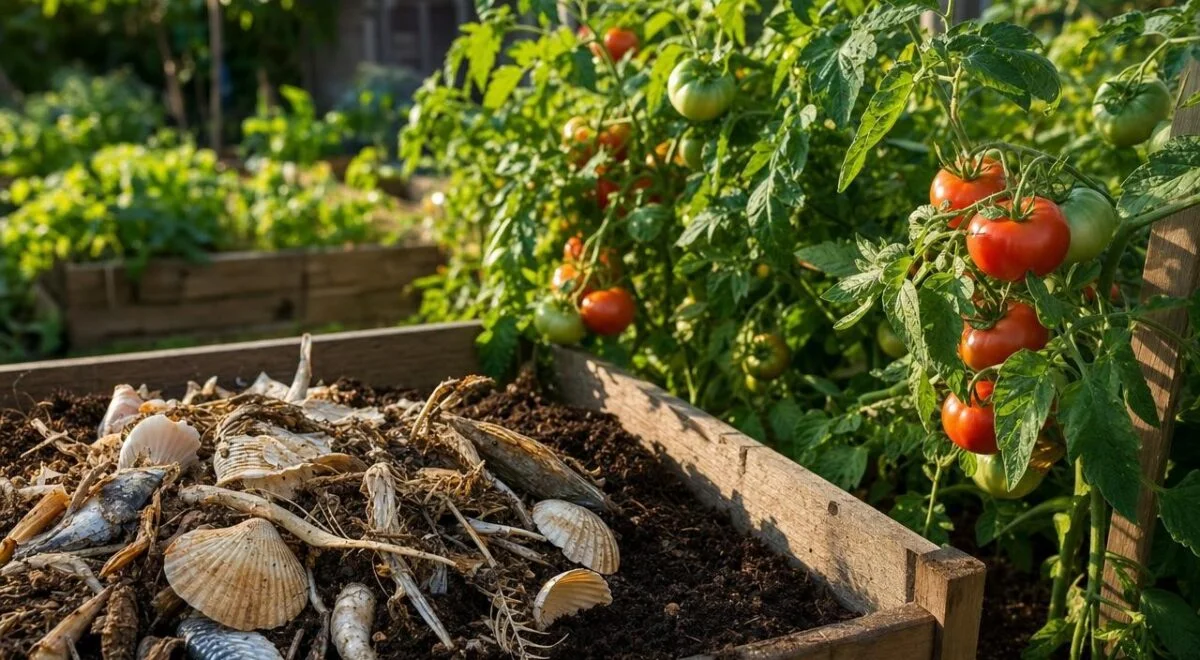
Every winter, seafood shells and fish heads end up in the trash, but they can actually serve as a secret fertilizer for your tomatoes. This kitchen waste can significantly enhance your vegetable garden throughout the summer without the need for chemical fertilizers.
After a seafood feast, many find their trash overflowing with shells and fish heads. However, these items, often discarded without a second thought, can be converted into an effective fertilizer for tomatoes. Oyster shells, mussel shells, crab shells, fish bones, and heads enrich the soil and help plants thrive all summer long.
The concept is straightforward: repurpose these leftovers to provide calcium, nitrogen, phosphorus, potassium, and trace elements directly to Solanum lycopersicum, the tomato plant. When utilized correctly, these organic waste products can minimize the dreaded "blossom end rot," support the microbial life in the soil, and reduce reliance on synthetic fertilizers for tomatoes.
Why Seafood Shells and Fish Heads Boost Your Tomatoes
Seafood shells, particularly those from oysters, are primarily composed of calcium carbonate. This calcium helps to neutralize overly acidic soil, strengthens cell walls, and reduces the incidence of blossom end rot, which can spoil the first fruits. Their rough texture aerates the soil and provides an ideal habitat for beneficial microorganisms.
On the fish side, heads and bones contain nitrogen, phosphorus, potassium, and calcium, which are gradually released as they decompose. A typical fish emulsion fertilizer, obtained through fermentation, generally has an NPK ratio of 2-4-1, along with amino acids and trace elements. This process provides plants with a steady supply of nutrients, avoiding the sometimes harsh "boost" that synthetic mineral fertilizers can deliver, while enriching the soil with life through the organic material that feeds microbes.
Simple Instructions for Using Seafood Shells to Prevent Blossom End Rot
After your meal, rinse the shells thoroughly to remove salt, lemon, and sauces. Let them dry or bake them at around 120°C for 30 to 60 minutes. Once cooled, crush them with a hammer or blend them lightly to achieve a coarse powder, rather than a fine flour, to maintain drainage and aeration effects.
For each square meter of garden, use about 100 grams of crushed shells, burying them 5 to 10 cm deep at the end of winter, a few weeks before planting. For potted tomatoes, a small handful mixed with the potting mix will suffice, taking care not to overdo it on soils that are already very calcareous to avoid chlorosis. Larger shell fragments placed around the base of the plant can also create an unpleasant barrier for slugs.
Fish Heads and Liquid Fertilizer: How to Use Them Without Odor
For a traditional "grandfather's fertilizer," bury a fresh, unsalted, and un-smoked fish head at the bottom of the planting hole, covering it with a good layer of soil before placing the plant. This depth helps limit odors and deters cats and other diggers. In pots, just a few fish bones will do, as too much decomposition can suffocate the roots.
If digging isn’t appealing, you can quickly prepare a liquid fertilizer: place fish heads and bones in a bucket of water with a bit of milk, let it macerate for 7 to 10 days, then strain. Dilute this mixture to about 10% in your watering can and apply it to the base of the tomatoes every 10 to 15 days, avoiding the foliage. A longer fermentation period, with a bit of sugar in a sealed bucket for a month, yields an even richer fish fertilizer, which can be used in a diluted form alongside compost, mulching, and regular watering.