
Ubisoft to Shut Down NFT Game Champions Tactics: A Cautionary Tale
Ubisoft will shut down the servers for Champions Tactics: Grimoria Chronicles on October 30, 2026, marking the end of its NFT gaming experiment amid a broader company strategy shift.
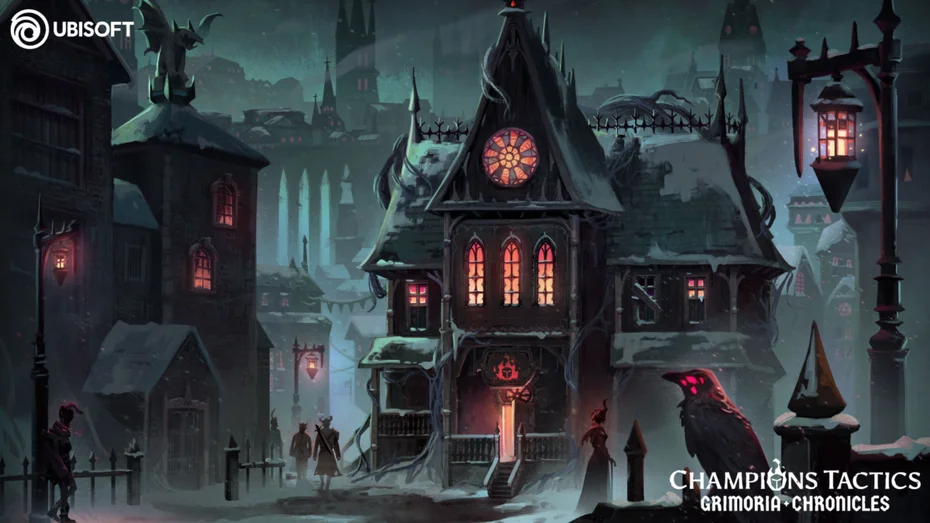
Ubisoft, headquartered in Montreuil, France, has announced it will cease operations for its tactical role-playing game "Champions Tactics: Grimoria Chronicles" on October 30, 2026. In a move that signals the end of its blockchain experiment, the company has already disabled all in-app purchases across platforms, marking a significant shift in its gaming strategy.
Players will still have access to the game until the shutdown date, but they will not be able to invest any new money. This decision follows a gradual dismantling of the game's Web3 features that began in May 2026, when wallet functionalities were restricted and on-chain trading was halted. As a consolation, developers are now offering standard Web2 rewards to players.
The game's trajectory has been a rocky one since its launch in October 2024, featuring 75,000 unique digital collectibles on the Oasys blockchain. However, public interest in non-fungible tokens (NFTs) had already waned significantly by that time. Although the dark fantasy aesthetic drew comparisons to popular titles like "Darkest Dungeon," it failed to capture the audience's attention. A later attempt to rebrand the game as "Champions Tactics Reforged" in an effort to pivot to a classic free-to-play model did not yield the desired results.
Instead of a resurgence, player numbers stagnated at an alarmingly low level, with a maximum of 1,500 concurrent players reported by egamers.io. Complaints about unfair pay-to-win mechanics further marred the project, as paying users enjoyed tangible advantages over others. An automatic matchmaking error compounded the issues, causing mismatches between weaker and stronger players, which led to widespread disappointment among the remaining user base.
The gaming community's reaction to the shutdown announcement has been one of schadenfreude. On platforms like ResetEra, users have recalled the ambitious plans from earlier days, mockingly suggesting that executives believed players were "too dumb" to understand the true value of NFTs. Others have ridiculed the game's design choices, particularly the enforced scarcity of extremely rare items that players could find with only a five percent chance. Such ideas of digital exclusivity now seem misguided.
The failure of "Champions Tactics" fits into a broader trend of cost-cutting measures at Ubisoft, which is currently closing studios and laying off staff to streamline its operations. The company's focus is shifting back to established franchises, with other NFT projects, such as Square Enix's "Symbiogenesis," having faced similar fates over the past year.
Observers are already drawing parallels between the decline of the NFT hype and the current surge in investments in generative artificial intelligence. The same executives who once touted the metaverse as the future are now promoting AI solutions using strikingly similar rhetoric, leading to growing skepticism among gamers. Users have been sharing sarcastic images of their worthless crypto assets, highlighting the emptiness of past promises.
However, this skepticism often overlooks the underlying technology that remains intact, regardless of the immediate success of a product. Not every failed game mechanic indicates a flawed database architecture. The Oasys blockchain itself processes transactions smoothly; rather, it was the game design that failed to engage its target audience. It is easy to dismiss the entire technology as obsolete when the real issue lay in the lack of engaging gameplay.
The impending closure of "Champions Tactics" serves as a significant conclusion to the unstructured Web3 ambitions of established game developers. As the servers prepare to go dark on October 30, the remaining players can only reflect wistfully on their once-valuable digital assets.