
Transform Your Garden with Strawberry Clover: A Beautiful Alternative to Grass
Discover the benefits of strawberry clover as a beautiful, low-maintenance alternative to traditional grass. Perfect for enhancing your garden with pink and white flowers.
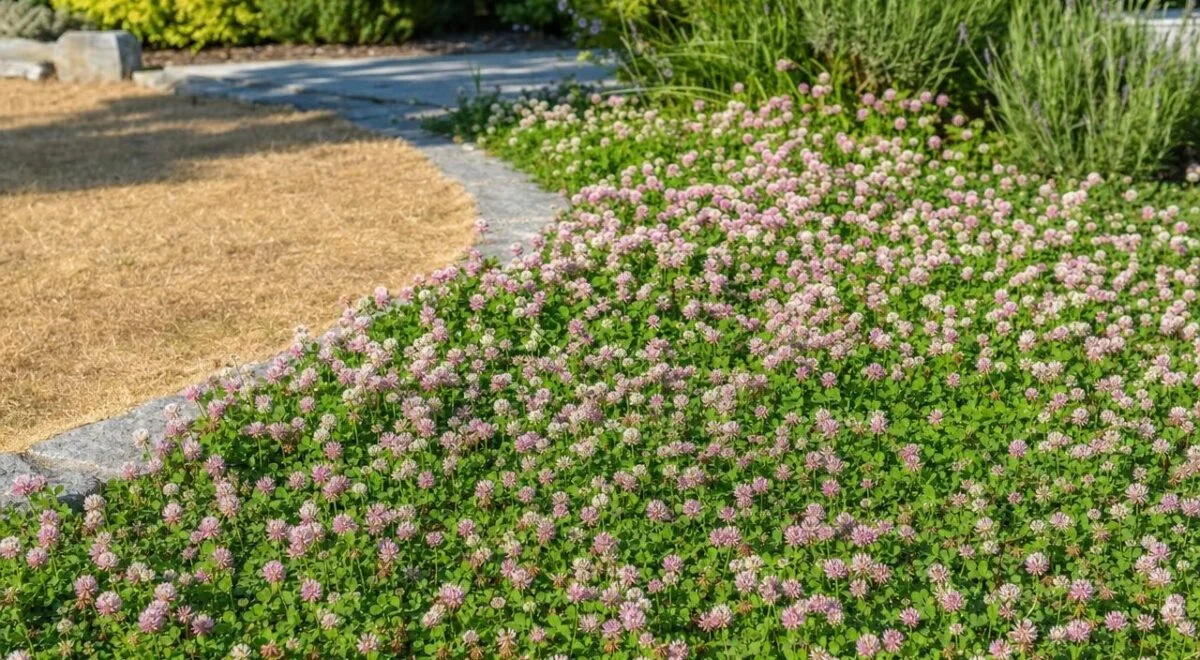
As droughts become more common and traditional lawns suffer under the heat, a vibrant alternative emerges: the strawberry clover, or Trifolium fragiferum. This charming ground cover, adorned with pink and white flowers, offers a stunning solution for those looking to enhance their gardens with minimal maintenance.
Many gardens end the summer looking parched, with yellowing grass and unused bags of seed tucked away in the garage. However, the strawberry clover provides a more attractive option than conventional turf. This perennial plant forms a dense, low-lying mat that requires little upkeep while maintaining its beauty. From May to June, its delightful blooms brighten up any outdoor space, often lasting even longer.
Strawberry Clover: A Floral Carpet Instead of Grass
Botanically classified as a legume related to white clover, strawberry clover features round flower heads that range from a rich pink to pale white. Its creeping stems root when they touch the ground, ultimately creating a continuous cushion that suppresses many unwanted weeds.
Similar to micro-clover varieties, this ground cover thrives in warmer conditions and can endure longer periods without watering compared to typical grass species. As a legume, it naturally captures nitrogen from the air and replenishes the soil, often eliminating the need for additional nitrogen fertilizers. Gardeners typically need to mow only once or twice a year to maintain a comfortable height.
Where and How to Plant Trifolium Fragiferum
Strawberry clover is suitable for hardiness zones 4 to 9, covering nearly all of France except for high mountain regions. It tolerates heavy, clay soils and even slightly saline conditions, making it resilient in areas prone to flooding. While it thrives in full sun, it can also handle light shade.
For planting, seeds should be sown just after the last spring frosts or in early autumn when the soil is still warm. Preparation involves removing existing grass and weeds, leveling the surface, and broadcasting the seeds. It's essential to cover the seeds lightly, no more than 3 mm deep, and keep the soil moist until germination occurs.
Practical Uses for Strawberry Clover in the Garden and Considerations
In practice, strawberry clover is ideal for creating a clover lawn that can replace all or part of a traditional grass lawn. It also works well under fruit trees, on difficult slopes, or between paving stones. Agronomic trials, particularly at Oregon State University, have identified it as one of the most dependable clovers for establishing a dense, durable carpet.
During the first year, it’s advisable to minimize heavy foot traffic to allow the mat to thicken. The flowering clover attracts bees and other pollinators, enhancing biodiversity, but it may require shorter mowing around play areas. Its creeping nature can lead it to spread into flower beds; maintaining clean borders or regularly mowed strips can help contain it.